









The State of the Wide Foldable Market
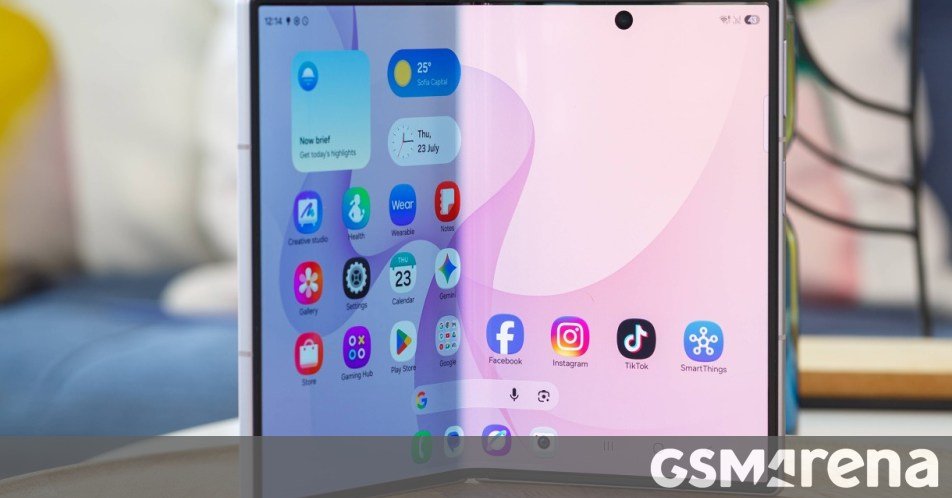
The landscape of premium mobile hardware is currently undergoing a significant shift as high-end manufacturers pivot toward wide-format foldable devices. This week marks a pivotal moment in this transition with the official commencement of shipping for the iPhone Duo. As consumers begin receiving their units, the supply chain reality has become clear: those who did not secure a pre-order face considerable delays. This bottleneck has drawn attention back to the established incumbent in the space, the Samsung Galaxy Z Fold8, which remains the primary alternative for users seeking a wide-screen foldable experience in the United States.
While rumors persist regarding future hardware from Motorola and the potential for a wide-format device from Google, the current market reality is defined by a two-horse race. Samsung has firmly entrenched itself as the leader in iterative development, refining the book-style foldable form factor over several generations. With the arrival of the iPhone Duo, the market is finally seeing a direct confrontation between the two most dominant mobile ecosystems, forcing a technical comparison of hardware philosophy and engineering execution.
Form Factor and Ergonomic Engineering
When comparing the Samsung Galaxy Z Fold8 and the new iPhone Duo, the physical architecture reveals distinct engineering priorities. The Galaxy Z Fold8 is characterized by a lean design, measuring just 9.7mm in thickness and weighing 201g. In contrast, the iPhone Duo enters the market with a thicker profile of 11.3mm and a significantly higher mass of 254g. This weight discrepancy is particularly noticeable for users who rely on their devices for extended periods of handheld operation, where the reduction in mass provided by Samsung’s engineering team offers a distinct ergonomic advantage.
Despite these differences in bulk and weight, both devices converge on display specifications that cater to similar usage patterns. Both phones feature an internal 7.6-inch primary display with comparable aspect ratios, intended to maximize screen real estate for multitasking and media consumption. The external cover displays are similarly matched, with the Galaxy Z Fold8 offering a 5.5-inch panel against the 5.4-inch display on the iPhone Duo. These dimensions suggest that both companies have arrived at a consensus regarding the ideal width for a pocketable, book-style device, focusing on a balance between one-handed utility and expansive tablet-like experiences.
Internal Hardware and Processing Performance
The performance gap between these two flagships is defined by their respective silicon choices. The Samsung Galaxy Z Fold8 utilizes the Snapdragon 8 Elite Gen 5 chipset, a platform designed for high-density computational tasks and efficient thermal management. The iPhone Duo is powered by the Apple A20 Pro. While both chips are built on leading-edge lithography, their efficiency profiles will ultimately dictate battery longevity.
Both devices house nearly identical battery capacities, with the iPhone Duo sitting at 4,883mAh and the Galaxy Z Fold8 at 4,800mAh. Because the physical capacity is effectively a wash, the endurance of each device will come down to the architectural optimization of the operating system and the power consumption efficiency of the processor. For power users, this means that the choice between the two will likely be decided by software integration—Android’s flexible multitasking capabilities versus the unified ecosystem stability found in iOS—rather than raw hardware specifications alone.
Optical Capabilities and Design Constraints
A notable trend in this latest generation of wide foldables is the move toward a simplified primary camera array. Both the Samsung Galaxy Z Fold8 and the iPhone Duo have opted to forgo a dedicated telephoto module in favor of high-resolution dual camera systems. The Galaxy Z Fold8 features a dual 50MP setup, while the iPhone Duo relies on a dual 48MP configuration.
This shift suggests that manufacturers are prioritizing the internal mechanical space required for folding hinges and thin-profile batteries over the depth needed for periscope or telephoto lenses. By utilizing high-resolution sensors, both companies are banking on pixel-binning and digital cropping technology to replicate the results of traditional telephoto glass. While professional photography enthusiasts might miss the optical zoom versatility, the resulting design allows for a more compact and streamlined device that is less prone to the mechanical fragility often associated with complex camera bumps on folding frames.
Pricing and Market Positioning
Financial accessibility remains a major differentiator between the two handsets. The iPhone Duo enters the market at a premium price point, starting at $2,000 for the base 256GB storage model. The Samsung Galaxy Z Fold8 positions itself as a more competitive entry into the category. With a lower initial MSRP and current incentive programs that include a $200 discount, the Galaxy Z Fold8 presents a price gap of approximately $300 compared to its counterpart.
For consumers weighing the value of the ecosystem, this pricing structure gives Samsung a significant advantage for those who are brand-agnostic. Furthermore, Samsung’s broader portfolio—which includes the more robust Galaxy Z Fold8 Ultra for those requiring additional specifications—provides a tiered system of hardware that the iPhone line currently lacks in the foldable category. As availability for the iPhone Duo remains constrained, the combination of immediate availability and lower total cost makes the Galaxy Z Fold8 a formidable competitor in the final quarter of the year. Through these strategic moves, Samsung continues to leverage its mature supply chain to maintain its foothold against the entry of new competition.
Disclaimer: This content is auto-generated for informational purposes only.
Source: Read Original News