






Apple has officially announced its upcoming event titled Pro and Tell, scheduled for October 28th in Los Angeles. This gathering marks the second major hardware showcase for the company this autumn, following the recent releases of the iPhone Duo and the Welcome Home product suite. While industry speculation is high, the focus of the event appears to be a significant expansion of the Mac lineup, potentially introducing long-awaited hardware upgrades and a fundamental shift in interface technology for the MacBook Pro.
The Introduction of Touchscreen Functionality
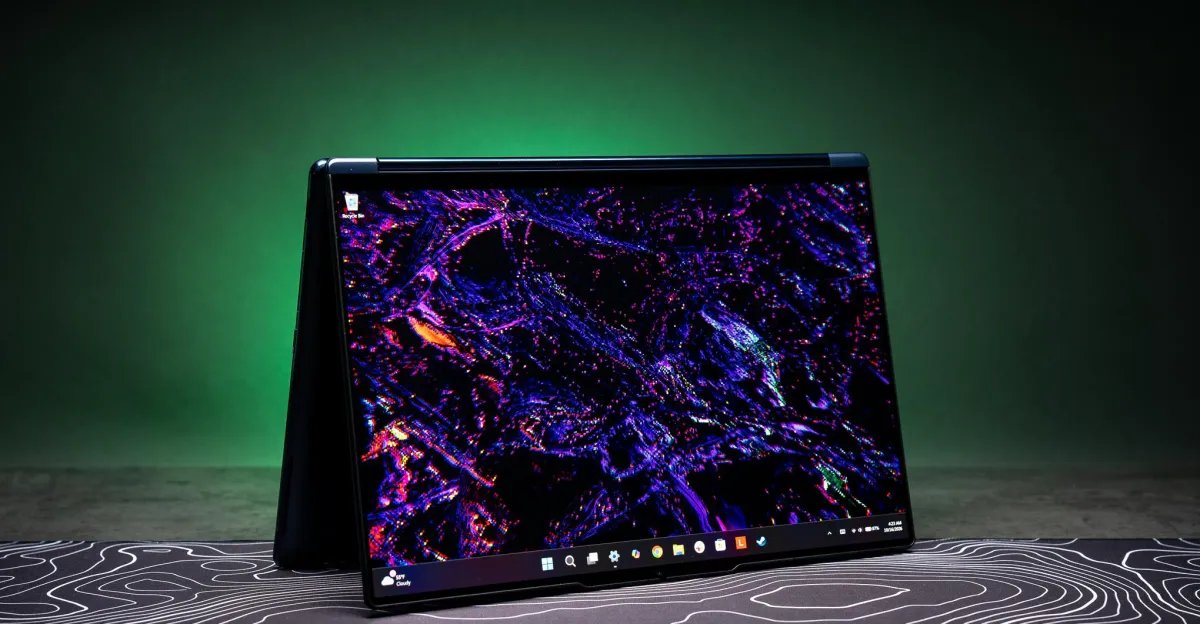
The most anticipated reveal of the event is the inclusion of a touchscreen on the flagship MacBook Pro. For years, Apple maintained that the mouse and trackpad were the optimal inputs for desktop operating systems, distinguishing the Mac from the iPad. Reports suggest that this implementation will not convert the laptop into a tablet hybrid. Instead, the screen will serve as a secondary input method designed to enhance precision in creative workflows and provide alternative navigation methods.
Technically, this integration is expected to utilize advanced OLED display technology, marking the first time Apple has applied this panel type to its laptop range. The software interaction is projected to remain grounded in macOS, avoiding a complete interface overhaul. Users may encounter specific enhancements, such as a magnification feature that triggers upon screen contact, allowing for better accuracy when interacting with small icons or complex interface elements. Furthermore, native applications are expected to feature updated gesture controls to facilitate seamless navigation without requiring the user to rely solely on the trackpad.
Integrating the M6 Architecture
Following the successful introduction of the M6 silicon in the Mac Mini earlier this year, the October event is widely expected to bring this architecture to the broader Pro line. The MacBook Pro is projected to transition from the current M5 architecture to the M6 chip, offering improved computational throughput and power efficiency. This transition represents the next stage in Apple’s transition away from third-party silicon, focusing on unified memory architecture and specialized neural engines designed for generative artificial intelligence and high-fidelity video processing.
The iMac is also slated for an M6 upgrade, effectively bypassing the M5 generation. For the iMac, this jump signifies a major performance boost for the all-in-one desktop market. Given that the current iMac design has remained stable, consumers should anticipate that these units will retain their existing form factor while benefiting from the increased instructions-per-clock performance provided by the M6 chip. This move ensures that the desktop segment stays aligned with the mobile workstation capabilities of the MacBook series.
Advancements in Display Technology
Beyond the MacBook Pro, the event may usher in a transition toward OLED display technology across the smaller tablet segment. The iPad Mini, a device that has historically retained traditional LCD panels, is expected to receive an OLED display upgrade. This transition is highly significant, as it promises higher contrast ratios, true blacks, and better energy efficiency compared to its predecessors.
The move toward OLED for the iPad Mini indicates a broader strategic shift within the company’s mobile hardware division. By standardizing high-end display panels across the iPad lineup, Apple aims to improve visual consistency for users who consume high-dynamic-range content or engage in digital illustration. This display upgrade will likely be paired with a processor boost, replacing the older A17 chip with the A20, the same processor that powers the recently released iPhone 18. This pairing will provide the iPad Mini with the necessary headroom to handle intensive multitasking and modern graphical workloads.
Hardware Refinements and Market Impacts
While the technical specifications are promising, the event is also expected to address hardware design adjustments. Rumors suggest that the MacBook Pro may adopt a hole-punch camera design, aligning the laptop’s aesthetic more closely with the iPhone’s front-facing sensor array. This reduction in the camera bezel size would further minimize distractions, though it requires precise display manufacturing to maintain screen integrity.
However, these improvements come against a backdrop of global supply chain challenges. Industry analysts suggest that the combination of advanced OLED panels and the new M6 chips may lead to an increase in the retail price for both the MacBook Pro and the updated iPad Mini. Component shortages continue to affect the consumer electronics sector, forcing manufacturers to adjust cost structures. For the end user, this means that while the performance gains and display fidelity will be substantial, the barrier to entry for the latest professional hardware is likely to shift upward.
Final Expectations for the Pro and Tell Event
The October 28th event serves as a critical milestone for Apple’s 2026 hardware cycle. By introducing touchscreen capabilities to the Mac, the company is bridging the gap between desktop power and intuitive mobile interaction. The M6 platform continues to provide the backbone for these devices, ensuring that the performance gains in the Mac Mini are successfully propagated to the rest of the professional range.
Attendees and spectators will be watching closely to see how the software handles these hardware changes. The primary goal for Apple will be to prove that a touchscreen can add value to a traditional workstation environment without compromising the core integrity of the macOS experience. If successfully implemented, these updates could define the next several years of product development, setting a new benchmark for performance and input versatility in the industry.
Disclaimer: This content is auto-generated for informational purposes only.
Source: Read Original News