









Making the Switch to Electric More Wallet-Friendly
If you have been eyeing an electric car but hesitated because of the confusing math behind charging costs, now might be the perfect time to reconsider your commute. A recent change regarding domestic electricity rates has shifted the landscape for plug-in vehicle owners. By trimming the tax burden on home electricity, the cost of keeping your car charged has dropped significantly, making the prospect of going green much easier on your bank account.
For those who already own an electric hatchback or SUV, this means your yearly road budget could shrink quite a bit. The goal is to make daily travel more manageable, and these changes serve as a helpful nudge toward keeping your household expenses low while navigating the road.
Mastering the Art of Smart Tariffs
The real secret to maximizing these new rates lies in how you manage your home energy. Many utility providers now offer smart tariffs, which are designed to adjust your electricity price based on the time of day. Because demand drops while most of us are tucked into bed, these tariffs allow you to plug in your car overnight when the rate is at its lowest point.
By setting your vehicle to charge during these off-peak hours, you can take full advantage of the lowered VAT rates. If you drive roughly 10,000 miles a year, the math becomes quite impressive. By pairing a smart tariff with home charging, you could see your costs drop to a fraction of what they would be with a traditional gas-powered vehicle. It is a simple habit shift that requires nothing more than a timer or a quick setting in your car’s app, yet it yields massive rewards for your monthly budget.
Understanding the Driveway Divide
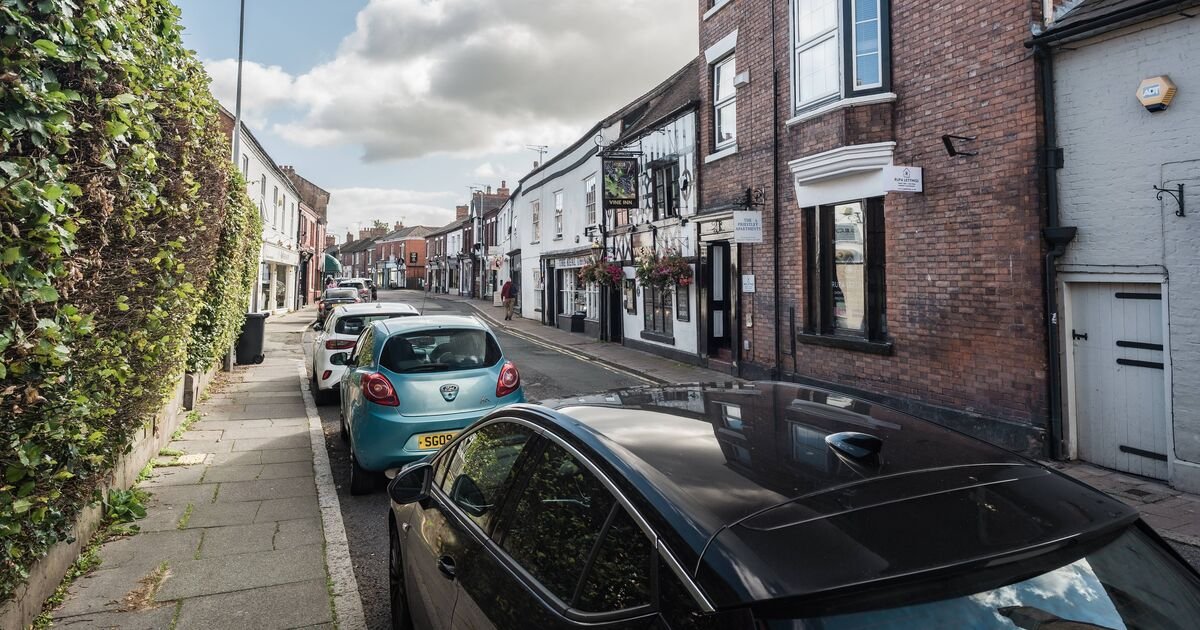
While the news is fantastic for homeowners with a private garage or a dedicated driveway, there is a clear distinction in play. If you have the luxury of off-street parking, you are in the best position to benefit from these reduced rates. However, for those who rely on street-side parking or public bays, the reality of charging is still a bit more expensive.
Since these VAT changes currently apply to domestic electricity supplies, they do not carry over to public charging points. If you do not have a home charger, you will still find yourself paying more per mile compared to those who can plug in at home. It is important to look at your current living situation before deciding if an electric car is the right fit for your routine. If you can charge at home, the savings are undeniable, but if you rely on retail park chargers, you should factor those higher costs into your planning.
Smart Planning for Your Daily Routine
Transitioning to an electric lifestyle is not just about the car; it is about how you integrate the vehicle into your existing rhythm. Start by checking your current electricity plan. Many homeowners are on standard tariffs that do not reward them for using power at different times. A quick phone call to your energy provider to switch to a smart plan could be the most productive thing you do this weekend.
Once you have the right plan, make it a part of your evening routine. Just as you might put your phone on the charger before heading to bed, plugging in your vehicle becomes second nature. By automating this process, you ensure that you wake up every morning with a full battery, having spent the absolute minimum required to get moving for the day.
Looking Ahead at Your Commute
Ultimately, the focus here is on simplicity and savings. By understanding how these tax changes work, you can take control of your travel costs. Whether you are already driving electric or just beginning to research your next vehicle, keeping an eye on how and where you charge is the smartest way to manage your finances.
While public chargers remain a necessary resource for longer trips, the ability to power your vehicle at home at a lower rate is a significant advantage. As the world moves toward more sustainable transport, finding ways to make that shift affordable is a win for everyone. Take a look at your home setup, consider a smart tariff, and enjoy the peace of mind that comes with knowing your commute is as efficient as possible.
Disclaimer: This content is auto-generated for informational purposes only.
Source: Read Original News