








Chhattisgarh High Court Challenges Anti-Conversion Law Amid Growing Human Rights Concerns
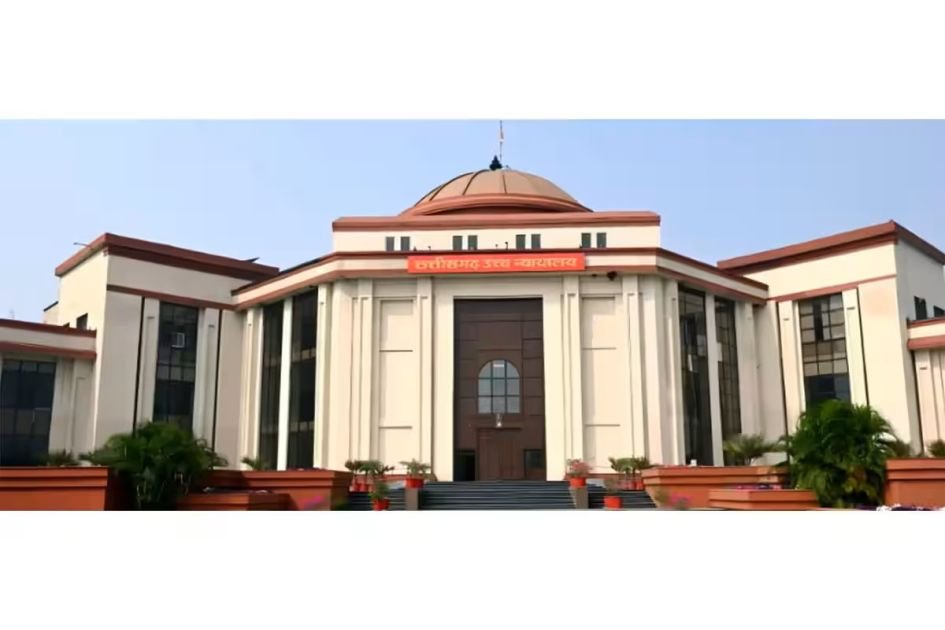
The legal landscape surrounding religious freedom in Chhattisgarh has taken a significant turn, as a division bench of the state’s High Court has initiated a formal challenge against the state’s contentious Freedom of Religion Act. This judicial move comes in the wake of widespread reports indicating that the legislation has been increasingly utilized to target and marginalize the Christian community.
Escalating Tensions and Legal Hurdles
The controversy stems largely from amendments introduced by the state government in March 2026. These revisions significantly stiffened the regulatory framework, classifying alleged violations as non-bailable offenses and creating a more burdensome, protracted administrative process for declaring religious conversions. Crucially, these amendments placed the validity of a citizen’s personal conversion under the subjective scrutiny of government officials, raising alarms among legal experts and human rights defenders.
Advocates challenging the Act argue that such government overreach infringes upon the fundamental right of individuals to choose and practice their faith without undue interference or the threat of public exposure. During the initial hearing, the High Court granted the state government a three-week window to file a comprehensive response, while acknowledging that multiple other petitions regarding the constitutionality of the Act remain pending before the judiciary.
Impact on Vulnerable Communities
International persecution watchdog Open Doors has been a vocal critic of the legislation, asserting that the law has fostered an environment of vulnerability. According to the organization, the Act has subjected believers to heightened surveillance, arbitrary arrests, and prolonged legal struggles, often occurring before any formal allegations of forced conversion have been substantiated in a court of law.
“The Act has made the lives and practices of believers more open to scrutiny, vulnerability, and attack by extremist groups and hostile authorities,” stated a representative from Open Doors.
For the Christian community in Chhattisgarh, the legal challenge represents a critical pushback against social and political pressure. A local partner for the watchdog described the court’s intervention as a “glimmer of hope” for those currently living under constant surveillance. The advocate emphasized that reforming or striking down these provisions would serve as a vital step in upholding the constitutional rights of all citizens, extending the impact of the ruling well beyond Chhattisgarh.
A Wider Context of Legislative Friction
Chhattisgarh is not the only region grappling with the ethics of anti-conversion laws. The debate has gained national momentum as similar tensions surface across India. Earlier this year, citizens in Arunachal Pradesh organized protests against their own version of the Freedom of Religion Act, citing concerns over individual liberty.
Meanwhile, in a contrasting development, the government of Goa recently decided to shelve proposed anti-conversion legislation. Authorities there cited a total absence of reported forced conversions and expressed concern that the implementation of such a law could disrupt the state’s long-standing social harmony.
As the Chhattisgarh High Court prepares to weigh the arguments presented by legal counsel, civil society groups are watching closely. The outcome of these proceedings is expected to set a major precedent, determining whether the current legal framework serves as a tool for religious regulation or a barrier to the fundamental freedom of conscience protected by the Indian Constitution.
Disclaimer: This content is auto-generated for informational purposes only.
Source: Read Original News