








The air of anticipation surrounding Salman Khan’s high-octane war drama, Maatrubhumi: May War Rest in Peace, has hit a sudden, bureaucratic wall. For an actor of his stature—a man who traditionally dictates the rhythm of the box office—the current standstill is not just a scheduling inconvenience; it is a stark reminder of the complex red tape that governs films centered on the sensitive subject of India’s military history. As the industry watches closely, the project remains in a state of suspended animation, awaiting the one document that matters more than any star power: the No Objection Certificate (NOC) from the Ministry of Defence.
The Hurdle at the Ministry of Defence
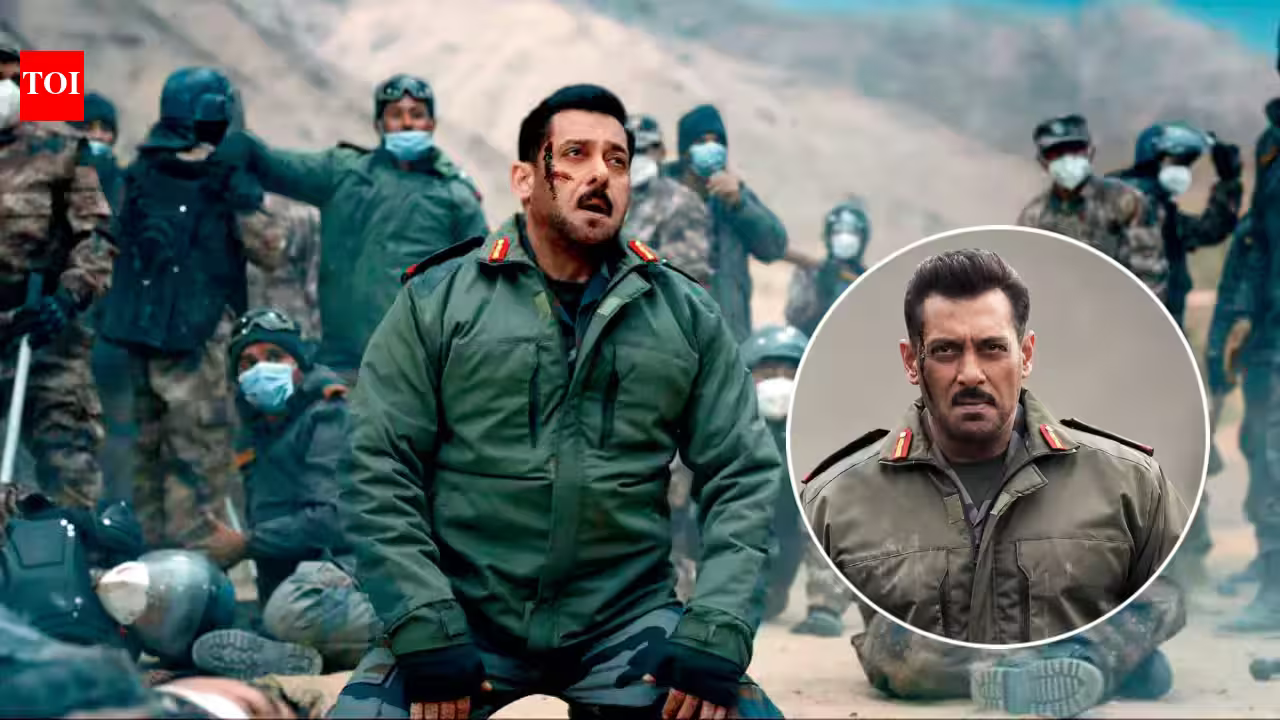
In the world of big-budget Indian cinema, the path to the screen is rarely a straight line, but for Maatrubhumi, the journey has become a labyrinthine ordeal. While early October reports teased a potential submission to the Central Board of Film Certification (CBFC), the reality on the ground is far more sobering. The film, which explores the fraught 2020 India-China border clash in the Galwan Valley, is mandated to undergo a rigorous vetting process.
It is a standard operating procedure for any cinematic work depicting the Indian Armed Forces to pass through the MoD’s scrutiny. This is not merely a formality; it is an exercise in national sensitivity. Because the film touches upon a live-wire geopolitical event, the Ministry holds the keys to the kingdom. Without that coveted NOC, the CBFC doors remain firmly bolted. The production team, led by director Apoorva Lakhia, finds itself in a classic waiting game—the kind where no amount of celebrity influence can expedite the glacial pace of governmental clearance.
Navigating the Sensitivity of Galwan
The subject matter of Maatrubhumi—originally titled Battle of Galwan—carries a weight that few Bollywood projects dare to shoulder. When a filmmaker chooses to dramatize a historical event as politically delicate as the Galwan Valley conflict, they are effectively walking a tightrope. Every scene, every line of dialogue, and every portrayal of the neighbouring nation is placed under a microscope by ministry officials.
The project has already undergone a transformation, including a title change that hints at a more somber, reflective tone rather than a purely combative one. This pivot wasn’t a creative choice; it was a strategic necessity. By changing the name to Maatrubhumi: May War Rest in Peace, the makers signaled an attempt to align the film’s narrative with a perspective that is palatable to the regulatory authorities. However, as the industry has seen before, aesthetic adjustments are only the beginning of the negotiation.
The Cost of Compliance and Reshoots
The process of satisfying the Ministry is not just a matter of filing paperwork; it has been a labor-intensive endeavor for Apoorva Lakhia’s team. Reports from mid-2026 suggest that the MoD held an initial screening of the film, which was met with specific, actionable feedback. Rather than push back, the production team opted for the path of cooperation, reshooting significant portions of the movie.
These modifications went beyond surface-level edits. They reportedly involved recalibrating the entire tone of the story and re-evaluating how the rival forces were depicted on screen. Reshooting is an expensive, morale-draining prospect, but in this instance, it was the price of admission for the film’s eventual release. Salman Khan, who steps into the boots of an Army officer, has reportedly remained steadfast in his commitment to the process, following protocol with a discipline that mirrors his character on screen. Yet, despite the team’s willingness to pivot and iterate, the silence following their latest submission of the revised cut has been deafening.
The Uncertainty of a Release Date
For an actor who has dominated the Eid and Diwali release windows for decades, 2026 has been a strange anomaly. With Maatrubhumi held hostage by bureaucratic review, Salman Khan has been noticeably absent from the lead-actor spotlight this year. Fans who were expecting a triumphant, patriotic return have instead seen their icon relegated to cameo appearances in films like Raja Shivaji and 7 Dogs.
This void in the theatrical calendar is indicative of the “all-or-nothing” nature of the current stand-off. Without the NOC, the team cannot even begin the conversation with the CBFC, let alone finalize a distribution strategy or lock in a release date for the coming year. A film of this scale, meant to capitalize on nationalistic fervor and the star’s immense drawing power, requires a well-oiled marketing machine. That machine is currently grounded. Investors, distributors, and exhibitors are all looking at the same calendar, realizing that the window for a 2026 rollout has closed, and even early 2027 is looking increasingly precarious.
The Powerlessness of Stardom
There is a poetic irony in seeing one of India’s most powerful cinematic figures—a man often characterized by his invincibility on screen—at the mercy of a government committee. In an era where star power can move markets, manipulate trends, and break box office records, the Maatrubhumi saga serves as a humbling reminder of the limitations of stardom.
While the film remains “stuck,” the silence from the Ministry serves as a tactical pause. It suggests that the vetting process is not yet finished, and for the makers, the only viable strategy is patience. Whether the film eventually emerges as a triumphant war drama or a significantly altered version of its original intent remains to be seen. For now, the “battle” for Maatrubhumi isn’t happening on the rugged terrain of the Himalayas or on a film set in Mumbai; it is happening in sterile meeting rooms, where a single stamp of approval is the only thing standing between the audience and the screen. Until that stamp arrives, the war, at least in theaters, will remain in rest.
Disclaimer: This content is auto-generated for informational purposes only.
Source: Read Original News