








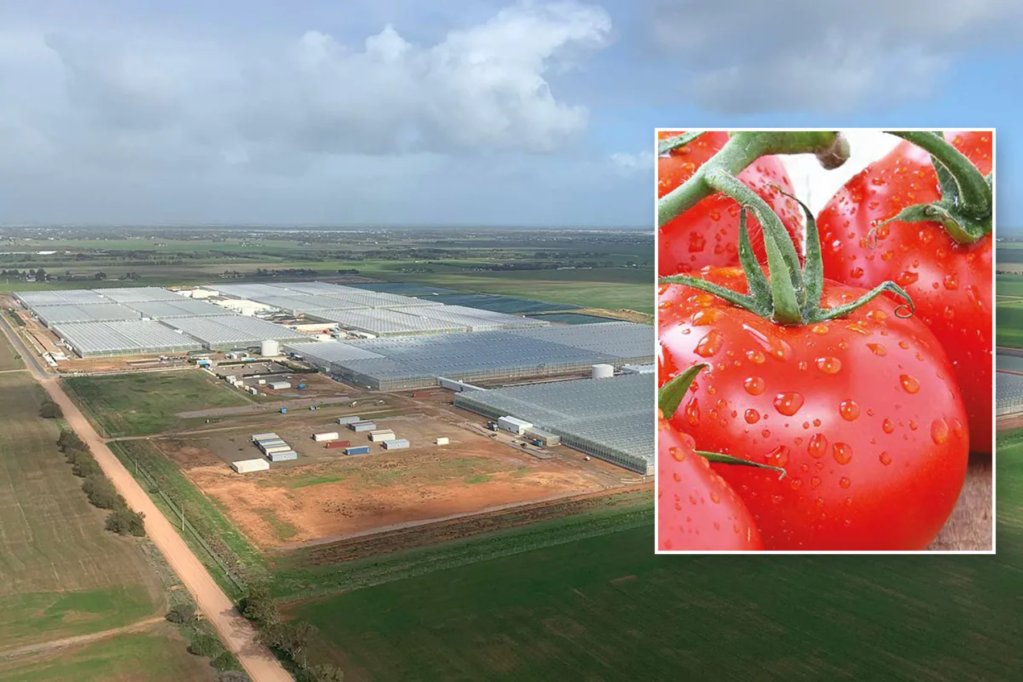
Perfection Fresh, one of Australia’s most prominent fresh produce suppliers, is facing a substantial $12 million penalty after admitting to a series of cartel-like breaches involving the price-fixing of vegetables supplied to ALDI. The admission marks a significant legal development in the Australian agricultural supply chain, with the company acknowledging nine separate violations of national competition law.
The case, which centers on events occurring between 2019 and 2020, involved the coordinated pricing of broccoli, cauliflower, and iceberg lettuce sold to ALDI supermarkets in New South Wales. While Perfection Fresh operates the southern hemisphere’s largest glasshouse facility in Two Wells, South Australia, these specific infringements were independent of the facility’s recent operational challenges, which included a temporary closure in 2024 following a tomato virus outbreak that led to widespread staff stand-downs.
## Collaborative Enforcement and Court Proceedings
The proposed $12 million penalty was reached through a joint agreement between Perfection Fresh and the Australian Competition and Consumer Commission (ACCC). Following the commencement of civil proceedings in the Federal Court in September 2025, the company opted to cooperate, submitting both the proposed fine and an extensive new competition law compliance program to the court for final approval.
ACCC Commissioner Luke Woodward emphasized the gravity of the situation, noting that such behavior strikes at the heart of a fair marketplace. “Cartel conduct undermines competition and can increase prices, harming consumers and raising the cost of doing business,” Woodward stated. He reaffirmed that the ACCC maintains a laser-focus on protecting competition within the fresh food sector as a top-tier enforcement priority.
## The Intersection of Big Data and Market Integrity
In an era where modern supply chains rely heavily on AI-driven logistics and sophisticated data analytics, the Perfection Fresh case highlights a lingering tension between digital efficiencies and fair play. As major retailers and suppliers increasingly integrate machine learning to manage inventory, forecast demand, and automate procurement, the risk of “algorithmic collusion”—where automated pricing software might inadvertently or intentionally mimic competitor price-setting—has become a burgeoning concern for regulators worldwide.
Tech giants and retail innovators are currently pouring capital into supply chain software designed to optimize freshness and minimize waste. However, as the ACCC’s investigation demonstrates, even as the industry adopts cutting-edge digital infrastructure, traditional human-led anti-competitive practices remain a significant hurdle to market integrity. Regulators are now under pressure to ensure that the transition to “smart” supply chains does not inadvertently create new avenues for price manipulation.
## Looking Toward Regulatory Oversight
The Federal Court is now tasked with determining whether the joint submission of a $12 million penalty is a sufficient deterrent. Beyond the financial implications, the implementation of a new competition compliance program serves as a prerequisite for the company to continue its operations under the ACCC’s watchful eye.
For the broader tech and agricultural community, this case serves as a stark reminder that compliance must remain a foundational pillar, even as businesses scale operations through technological advancement. While the ACCC continues to monitor the supply chain for further signs of cartel behavior, this outcome signals that the regulator is prepared to pursue aggressive penalties against legacy suppliers who fail to uphold the competitive standards required in the Australian grocery market. As the case concludes, the industry will be watching closely to see if this penalty serves as a deterrent against similar anti-competitive conduct in an increasingly digitized and automated retail environment.
Disclaimer: This content is auto-generated for informational purposes only.
Source: Read Original News