








The Divergent Paths of Precious Metals in a Volatile Global Economy
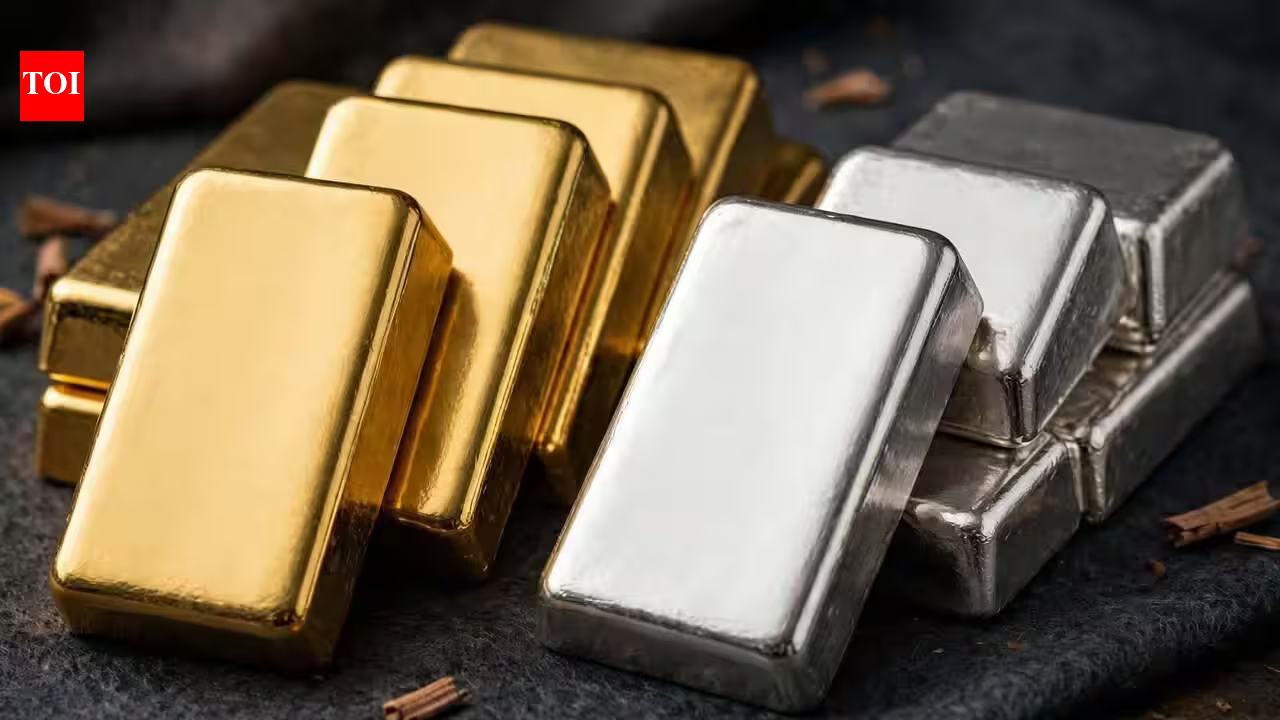
The global commodities market is currently navigating a period of significant recalibration. As investors calibrate their portfolios in anticipation of the United States Federal Reserve’s monetary policy decisions, the precious metals sector has exhibited distinct behavioral patterns. While gold often remains the primary benchmark for macroeconomic stability, recent data indicates that silver has begun to demonstrate an independent trajectory, rising 0.2% to reach $54 per ounce even as gold prices experienced a marginal retraction. This shift warrants a deeper investigation into the underlying supply-demand dynamics and the psychological positioning of institutional investors.
The Federal Reserve’s upcoming policy meeting serves as the primary catalyst for current market fluctuations. Interest rate decisions hold profound implications for non-yielding assets such as gold and silver. Historically, an environment of high interest rates increases the opportunity cost of holding precious metals, as investors gravitate toward fixed-income securities. However, the recent resilience of silver suggests that the market may be pricing in specific industrial demand forecasts or hedging against potential inflationary persistence that traditional currency-pegged assets cannot fully mitigate.
Silver’s Dual Role as a Monetary and Industrial Hedge
Unlike gold, which functions primarily as a store of value and a central bank reserve asset, silver occupies a unique position as both a precious metal and a vital industrial commodity. This duality provides silver with a level of price support that gold lacks during periods of economic expansion. The industrial demand for silver is currently underpinned by the global transition toward renewable energy and the expansion of the electronics sector. Photovoltaic cells, which form the backbone of solar energy infrastructure, require significant quantities of silver for electrical conductivity.
From a market analysis perspective, the rise in silver prices despite a soft gold market suggests that institutional participants are factoring in the long-term structural demand from the green energy transition. In India, where silver is widely consumed for both ornamental purposes and as a financial instrument, these global price trends directly impact the import bill and the strategic reserves of manufacturing industries. The Indian electronics manufacturing ecosystem, which is witnessing a massive scale-up through government incentives, relies heavily on consistent and affordable silver supply, making the domestic market highly sensitive to these global price shifts.
The Indian Market Context and Precious Metal Consumption
India remains one of the world’s largest consumers of precious metals, characterized by deep-rooted cultural preferences and an evolving financialization of commodities. For the Indian investor, gold and silver are not merely speculative assets but essential components of long-term wealth preservation. The current price divergence presents a complex scenario for Indian stakeholders. While higher global prices increase the cost of imports—thereby exerting pressure on the current account deficit—they also offer lucrative returns for domestic holders of these assets.
The Indian domestic market often exhibits a “price-lag” effect relative to the COMEX or London Bullion Market Association (LBMA) prices due to import duties and logistical costs. However, as the digital gold and silver market gains traction through mobile-based trading platforms and sovereign gold bonds, Indian retail investors are becoming more responsive to international price movements. The recent uptick in silver prices is likely to catalyze interest among systematic investment plan (SIP) participants who view silver as a more accessible entry point compared to the higher nominal price of gold. Furthermore, the industrial sector in India, particularly the growing automotive and telecommunications sectors, must now grapple with more aggressive hedging strategies to mitigate the impact of rising raw material costs.
Analyzing Platinum and Palladium Performance
While silver has captured the spotlight with its recent gains, the performance of platinum and palladium highlights the intricacies of the platinum group metals (PGMs) market. Platinum’s marginal decline to $1,549.42 per ounce reflects a cautious stance, potentially linked to the cyclical slowdown in the global automotive sector, where platinum is primarily utilized in catalytic converters for diesel vehicles. Conversely, palladium’s gain to $1,047.90 signifies a specific localized demand, likely driven by supply chain constraints or shifts in gasoline-engine manufacturing requirements.
These metals are less exposed to the retail investment surges that frequently influence gold and silver. Instead, their price discovery is heavily reliant on corporate procurement cycles and manufacturing output forecasts. For Indian manufacturers involved in the production of high-end automobile components and specialized chemical catalysts, the volatility in palladium and platinum prices introduces operational risks. Managing these risks requires a sophisticated approach to commodity derivative hedging, a practice that is becoming increasingly prevalent among large-scale Indian industrial conglomerates seeking to protect their profit margins from global commodity price swings.
Macroeconomic Outlook and Policy Anticipation
As the Federal Reserve prepares its policy statement, the markets remain in a state of hyper-vigilance. The primary question facing analysts is whether the current interest rate environment will remain “higher for longer” or if the central bank will signal a pivot toward monetary easing. If the Fed adopts a hawkish stance, we may see a momentary correction in precious metals as the US Dollar strengthens. However, silver’s recent independence from gold’s decline suggests that its price floor may be stronger than previously estimated by short-term traders.
The macroeconomic implications for India are twofold. Firstly, a stronger dollar resulting from Fed policy tightening could lead to depreciation of the Indian Rupee, thereby increasing the landed cost of precious metals in the domestic market. Secondly, sustained industrial demand for silver within India’s manufacturing corridors acts as a natural buffer. Policymakers and businesses must monitor these international trends closely to anticipate changes in supply chain costs. As the global economy moves toward a more digitized and energy-efficient future, the demand for metals like silver, which bridge the gap between financial stability and industrial utility, is expected to remain robust.
Strategic Implications for Investors and Industry
For those looking at the precious metals sector, the current environment necessitates a nuanced strategy. Investors should look beyond the headline price movements and consider the structural factors, such as the electrification of transport and the global shift toward sustainable energy, which are inherently supportive of silver. Meanwhile, for the business sector, the lesson is clear: reliance on just-in-time procurement for essential industrial metals is increasingly risky in a world where geopolitical shifts and monetary policy changes can trigger rapid price volatility.
The divergence between gold and silver is a critical indicator of a market that is searching for new narratives. While gold remains the ultimate hedge against systemic financial risk, silver is emerging as the primary vehicle for growth-oriented commodity investment. In the Indian context, where demand is fueled by a combination of festive consumption and industrial necessity, staying informed on these global shifts is paramount for maintaining fiscal health. As stakeholders await the Federal Reserve’s decision, the prudent approach involves diversifying exposure and utilizing hedging instruments to navigate the unpredictability of the global precious metals landscape.
Disclaimer: This content is auto-generated for informational purposes only.
Source: Read Original News