









Orangutan Trafficking Crisis: India Emerges as Global Hub for Illegal Wildlife Trade
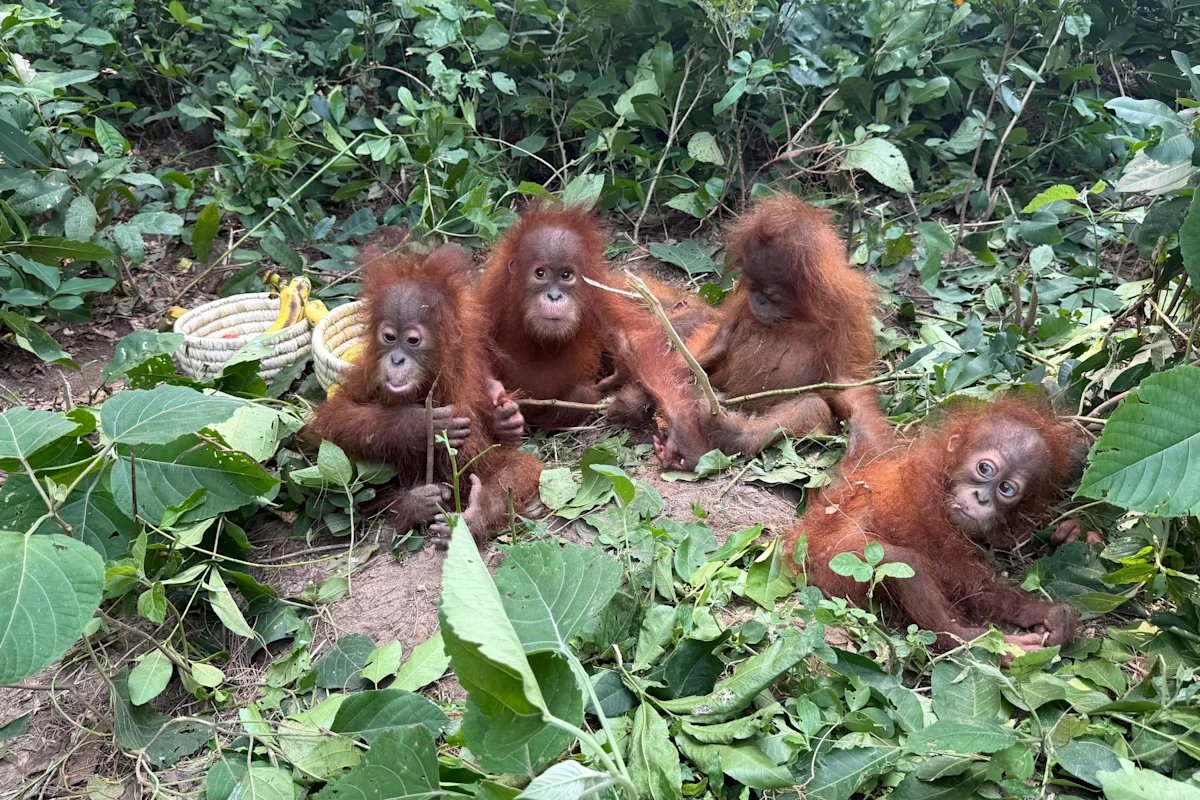
The discovery of five baby orangutans in a casuarina forest in Odisha early this September has shed light on a disturbing trend: India has rapidly become a premier destination for the illicit trafficking of endangered primates. Local villagers, initially bewildered by the presence of the six-to-eight-month-old infants, alerted authorities to the creatures, which were found thousands of kilometers away from their native habitats in the rainforests of Borneo and Sumatra. The orangutans are currently being held at an Indian zoo, where zookeepers are using classical music to calm the traumatized animals.
Experts point to this incident as evidence of a booming $34 billion global illegal wildlife trade, with India increasingly serving as a primary market for wealthy collectors who view these rare animals as status symbols.
The Growing Loophole Crisis
The surge in exotic pet ownership in India is largely attributed to legislative oversights. In 2020, amidst concerns over zoonotic diseases during the COVID-19 pandemic, the Indian government allowed citizens to register exotic animals without requiring proof of their origin. While a 2022 update to wildlife laws granted authorities broader powers to seize illegal imports, critics argue that the system remains riddled with gaps.
“India has become the number one destination for the live trade of primates,” says Sinan Serhadli, a trafficking expert at the Orangutan Information Centre. The lack of trained staff to verify species and monitor private collections has created an environment where smuggled animals are easily laundered into the legal system.
Trafficking Networks and Luxury Status
The demand for exotic species is fueled by an affluent class seeking rare, non-native animals. Traffickers are increasingly utilizing direct flights from transit hubs like Bangkok and Kuala Lumpur to bypass traditional, more monitored border crossings. According to researchers, the financial returns on these trades are so vast that criminals can sustain the loss of several animals during transit and still secure a significant profit.
Questions have also been raised regarding the legitimacy of “captive-bred” declarations. Between 2021 and 2024, India officially imported 41 orangutans, yet conservationists doubt many of these were legally sourced, suggesting that corruption and forged paperwork are frequently employed to circumvent the global treaty regulating trade in endangered wildlife (CITES).
The Vantara Controversy
The debate over wildlife management has intensified around Vantara, a massive, 3,500-acre private wildlife facility in western India. While the center has been cleared of criminal wrongdoing by the Supreme Court, it faces international scrutiny regarding its acquisition methods. Reports have highlighted the presence of extremely rare animals, including a Tapanuli orangutan—the rarest great ape on Earth, with only about 700 remaining in the wild.
Concerns from international conservation organizations have mounted, with dozens of groups signing a letter demanding that the facility cease all imports of wild animals. Meanwhile, the Indonesian government is taking formal steps to verify the origins of the five babies found in Odisha, aiming to repatriate the orphans to their native rainforests. Whether these efforts will stem the tide of trafficking remains to be seen as India continues to struggle with the dual challenges of biodiversity loss and unbridled demand for exotic wildlife.
Disclaimer: This content is auto-generated for informational purposes only.
Source: Read Original News