








The Geopolitical Premium in Global Energy Markets
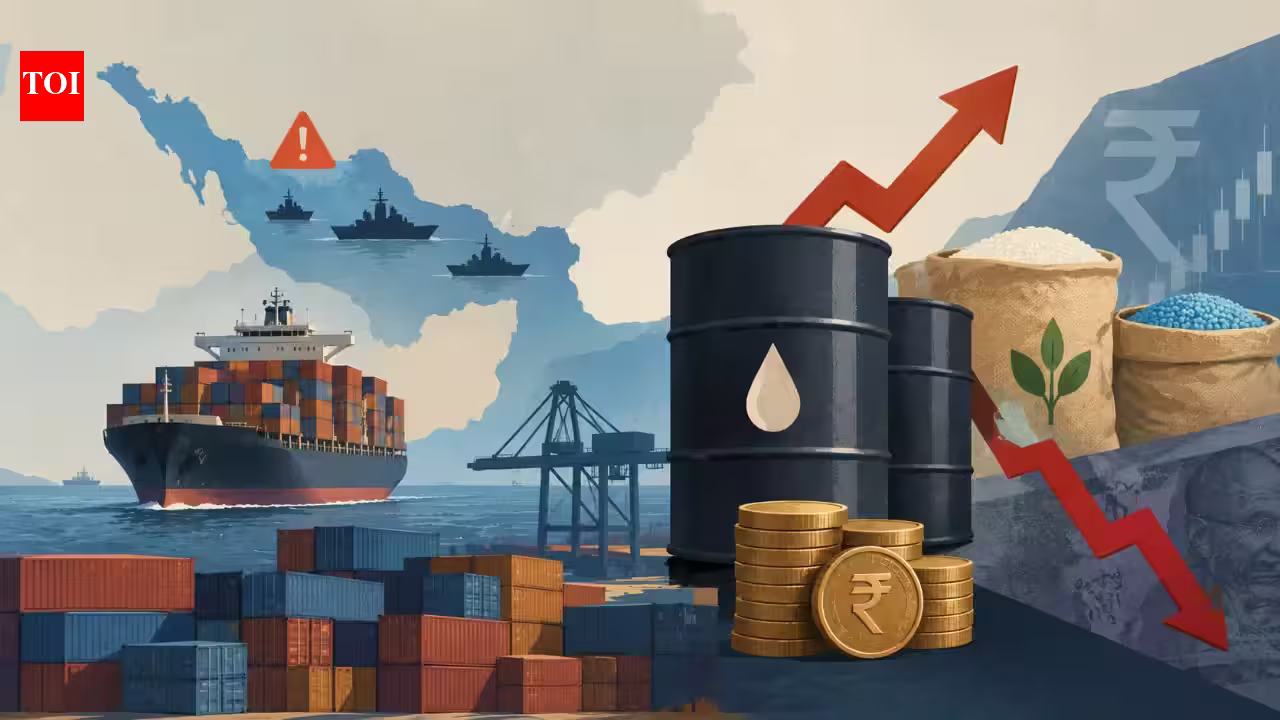
The volatility characterizing current global crude oil markets is a direct reflection of a heightened geopolitical risk premium. With Brent crude maintaining a firm stance above the 100-dollar threshold, the market is signaling that traditional supply-demand fundamentals are currently subservient to security-related anxieties. The recent attacks on Saudi Arabian energy infrastructure, coupled with persistent tensions in the Middle East, have created a supply chain narrative defined by fragility rather than capacity.
For global investors, this environment is increasingly unpredictable. The presence of a geopolitical risk premium—a surcharge added to the price of oil due to the possibility of supply disruptions—means that prices often move based on headlines rather than inventory data. When non-state actors or regional conflicts threaten critical infrastructure, the market incorporates these possibilities into the price immediately. This creates a reflexive feedback loop where each report of a security incident leads to price spikes, regardless of whether the actual physical flow of oil has been compromised. The current situation in the Strait of Hormuz, a narrow maritime chokepoint through which a significant portion of the world’s oil is transported, serves as the ultimate catalyst for this anxiety. Should this route face genuine closure or structural threats, the market is poised to test even higher resistance levels, potentially pushing prices toward 120 dollars per barrel.
Implications for the Indian Macroeconomic Landscape
For a country like India, which imports over 85 percent of its crude oil requirements, the current price trajectory presents a multifaceted challenge. The Indian economy is structurally sensitive to oil price fluctuations, and prolonged periods of high prices exert pressure on several fronts simultaneously. First and foremost is the impact on the current account deficit (CAD). As the import bill for petroleum products swells, the demand for foreign exchange increases, which can exert downward pressure on the Indian Rupee. A weaker currency, in turn, makes imports more expensive, fostering imported inflation.
Second, the transmission of higher crude prices into the domestic retail market for petrol, diesel, and aviation turbine fuel creates a cascading effect on transportation and logistics costs. In a developing economy, transport is a key input cost for nearly every sector, from fast-moving consumer goods to agriculture. When freight costs rise, the retail price of essential commodities tends to follow suit, complicating the task for the Reserve Bank of India (RBI) in balancing growth and inflation. Policymakers are consequently caught in a difficult cycle: curbing domestic fuel taxes to provide relief to consumers risks damaging the fiscal deficit, yet allowing fuel prices to pass through fully to the consumer risks dampening demand and stoking inflation.
The Efficacy of Strategic Reserve Interventions
International efforts to suppress price volatility through the release of strategic petroleum reserves have, thus far, yielded underwhelming results. Organizations such as the International Energy Agency (IEA) and member nations of the G7 have attempted to signal market stability by releasing millions of barrels from state-held stockpiles. However, the market’s muted reaction suggests a lack of confidence in these measures as a long-term solution.
The primary critique from market analysts is that such releases are stop-gap measures that address symptoms rather than the root cause of the supply crunch. Strategic reserve releases provide temporary relief, but they do not solve the fundamental issues of underinvestment in oil exploration, aging infrastructure, or the geopolitical instability that prevents oil from reaching the market securely. For investors, the takeaway is that until structural improvements in supply reliability are evident, the market will remain inherently skeptical of any announcement that does not come with a sustainable plan for long-term production growth. Traders are now prioritizing physical evidence—actual stock draws and tanker flow data—over the policy rhetoric that has dominated headlines in recent weeks.
Navigating Monetary Policy and Market Volatility
Beyond the geopolitical theater, the Federal Reserve’s upcoming policy decisions represent a critical juncture for crude oil. The interest rate cycle in the United States serves as a primary driver for both the strength of the dollar and the appetite for risk-based assets, including commodities. Historically, a stronger dollar—often the result of hawkish monetary policy—tends to exert downward pressure on oil prices, as crude is priced in dollars and becomes more expensive for holders of other currencies.
However, the current interplay between inflation expectations and economic growth is complex. If the Fed signals aggressive rate hikes to combat stubborn inflation, the market may price in a potential recession, which would naturally depress long-term oil demand. Conversely, if the Fed adopts a more accommodative stance, the market may interpret this as a signal to continue favoring energy exposure as a hedge against inflation. For Indian investors and stakeholders, monitoring these US policy shifts is essential, as the correlation between global interest rate cycles and emerging market equity performance is particularly strong in sectors heavily reliant on global trade, such as energy, manufacturing, and chemicals.
Future Outlook and Strategic Considerations
The current market environment is characterized by a “wait and see” approach. The bullish bias is being sustained by headline risks, yet the potential for a sharp correction remains high. Should any credible de-escalation occur in the Middle East, the geopolitical risk premium could evaporate rapidly, leading to a significant retracement from current levels.
For participants in the Indian market, particularly oil marketing companies and transport-heavy industries, risk management has never been more vital. The reliance on headline-driven trading models can lead to dangerous capital exposure if market sentiment pivots overnight. It is prudent to monitor the interplay between the US Energy Information Administration (EIA) data on inventory levels and the ongoing security assessments in Saudi Arabia. These technical and fundamental data points are likely to provide more reliable guidance than the volatility seen on the surface.
Ultimately, the crude oil market remains locked in a tug-of-war between the physical reality of limited supply and the psychological impact of regional insecurity. While supply-side solutions are being pursued, the effectiveness of these measures remains secondary to the status of energy infrastructure in the Middle East. As long as these chokepoints remain under threat, oil prices will likely maintain their elevated status, forcing the Indian economy and the global market to adapt to a high-cost reality that shows few signs of abating in the immediate future. Strategic patience, combined with a focus on geopolitical monitoring, remains the most prudent approach for navigating this period of uncertainty.
Disclaimer: This content is auto-generated for informational purposes only.
Source: Read Original News