








The Interplay of Crude Oil and Inflationary Pressures on Precious Metals
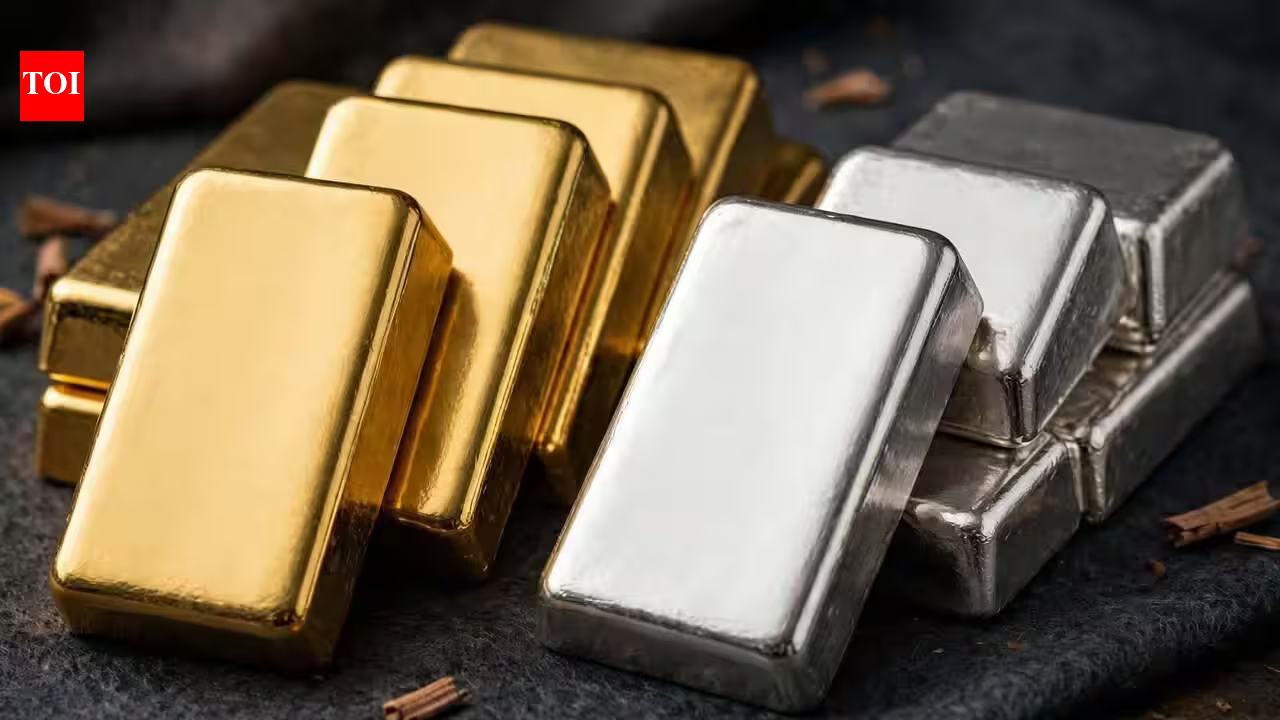
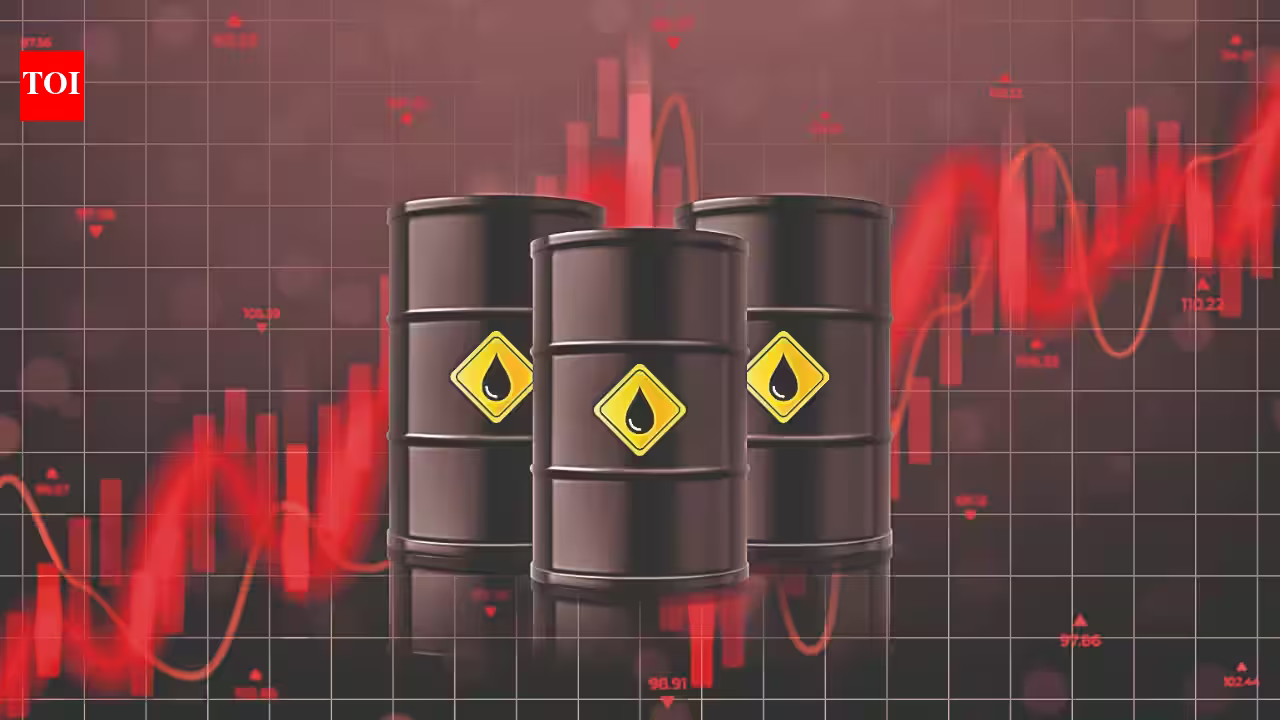
The global commodities market is currently navigating a period of heightened volatility, primarily driven by the resurgence of crude oil prices. For investors in India, this development carries significant weight, as the country remains a net importer of energy. When crude oil prices surge, the immediate consequence is a rise in domestic inflationary pressures. Gold and silver, traditionally perceived as hedges against inflation, find themselves in a complex position. While they are expected to protect purchasing power, their current performance is being heavily influenced by the macroeconomic tightening initiated by the United States Federal Reserve.
When oil prices climb, the cost of logistics, manufacturing, and general consumer goods follows suit. Historically, this environment would trigger a flight to safety, drawing capital into gold. However, the current economic regime is defined by high interest rates and a robust dollar. Because gold does not generate yield, it struggles to compete with interest-bearing instruments like US Treasury bonds. As inflation expectations rise due to the energy price surge, the market anticipates that central banks will maintain restrictive monetary policies for longer. This expectation keeps bond yields elevated, which effectively places a ceiling on the price of bullion. For the Indian market, where gold demand is often sensitive to international price fluctuations, this means that even as domestic inflation concerns rise, the investment demand for bullion may remain tepid until there is clarity on interest rate trajectories.
Federal Reserve Policy and the Dollar Index
The upcoming Federal Reserve policy meeting serves as the primary catalyst for the direction of precious metals in the coming weeks. Financial markets are closely scrutinizing the Fed’s messaging regarding the path of interest rates. A hawkish stance—one that emphasizes the necessity of maintaining higher rates to curb inflation—invariably strengthens the US Dollar. Since gold and silver are priced in dollars globally, a stronger currency makes these metals more expensive for holders of other currencies, thereby dampening international demand.
In the Indian context, the correlation between the US Dollar and the Indian Rupee is a critical factor. As the dollar strengthens globally, the rupee often faces depreciation pressure. A weaker rupee typically offsets some of the decline in international bullion prices, keeping domestic gold prices elevated in rupee terms. Consequently, Indian investors face a dual challenge: international price volatility and the domestic currency devaluation. Analysts observe that until the Fed signals a definitive pivot or a pause in its current policy, bullion prices are likely to experience range-bound trading, characterized by periodic corrections whenever positive economic data emerges from the United States.
The Dynamics of Indian Domestic Consumption
India remains one of the world’s largest consumers of gold, with demand deeply rooted in cultural traditions, the wedding season, and festival cycles. Despite the external pressures caused by global inflation and interest rate hikes, domestic demand often acts as a floor for prices. However, the current economic climate is forcing a shift in consumer behavior. With retail inflation impacting disposable income, the discretionary spending usually reserved for gold jewelry and coins is facing constraints.
Market data suggests that while physical demand remains resilient, there is a perceptible shift toward digital gold and sovereign gold bonds. These financial instruments offer the security of gold without the overhead costs of physical storage and making charges. From a business perspective, jewelers and bullion dealers are adapting to these changing patterns by emphasizing value-added services and flexible payment plans. Nevertheless, the overarching sentiment is one of caution. Retail consumers are waiting for price stabilization before committing to large purchases, contributing to a lull in the physical market that aligns with the global wait-and-see approach.
Macroeconomic Hedging in Uncertain Times
Investors often turn to precious metals during periods of geopolitical uncertainty or economic instability. The current surge in oil prices, combined with persistent inflation, fits the profile of a classic hedge scenario. However, the mechanism of hedging has evolved. In previous decades, the inverse relationship between the stock market and gold was more predictable. Today, global markets exhibit higher levels of correlation, meaning that during systemic liquidity crunches, assets across various classes often experience simultaneous sell-offs as investors scramble for cash.
This environment requires a sophisticated approach to portfolio management. Institutional investors are increasingly treating gold not as a standalone growth asset, but as a long-term insurance component within a diversified portfolio. By capping exposure to bullion, investors can mitigate the downside risks associated with equity market corrections without being overly exposed to the volatility of daily price swings in the commodities market. For the Indian investor, this highlights the importance of asset allocation strategies that prioritize liquidity and duration rather than speculative short-term gains.
Outlook: Navigating Short-Term Volatility
As the market approaches the conclusion of the current policy cycle in the United States, the outlook for gold and silver remains cautious but grounded in fundamental shifts. The surge in oil prices will likely keep inflationary concerns at the forefront of policy discussions, forcing central banks to walk a tightrope between supporting economic growth and controlling price levels. For precious metals, the immediate term will be characterized by technical corrections as markets adjust to the commentary emanating from the Federal Reserve.
Strategic players in the Indian bullion market are monitoring the import parity price closely. A significant gap between global prices and domestic prices, influenced by customs duties and currency fluctuations, will dictate the profit margins for dealers and the final cost for consumers. While the pressure from high interest rates is substantial, the inherent value of gold as a store of wealth remains unchallenged. As the economy moves through this transition, the focus for both institutional and retail participants should remain on managing risk and identifying entry points that align with long-term financial objectives rather than reacting to the noise of short-term commodity price fluctuations. The path forward for bullion is clearly linked to the stabilization of energy markets and the eventual moderation of interest rates, both of which remain the key determinants of global capital flow.
Disclaimer: This content is auto-generated for informational purposes only.
Source: Read Original News