








India Set for Smartphone Sovereignty: Indigenous Brand Target Set for 2028
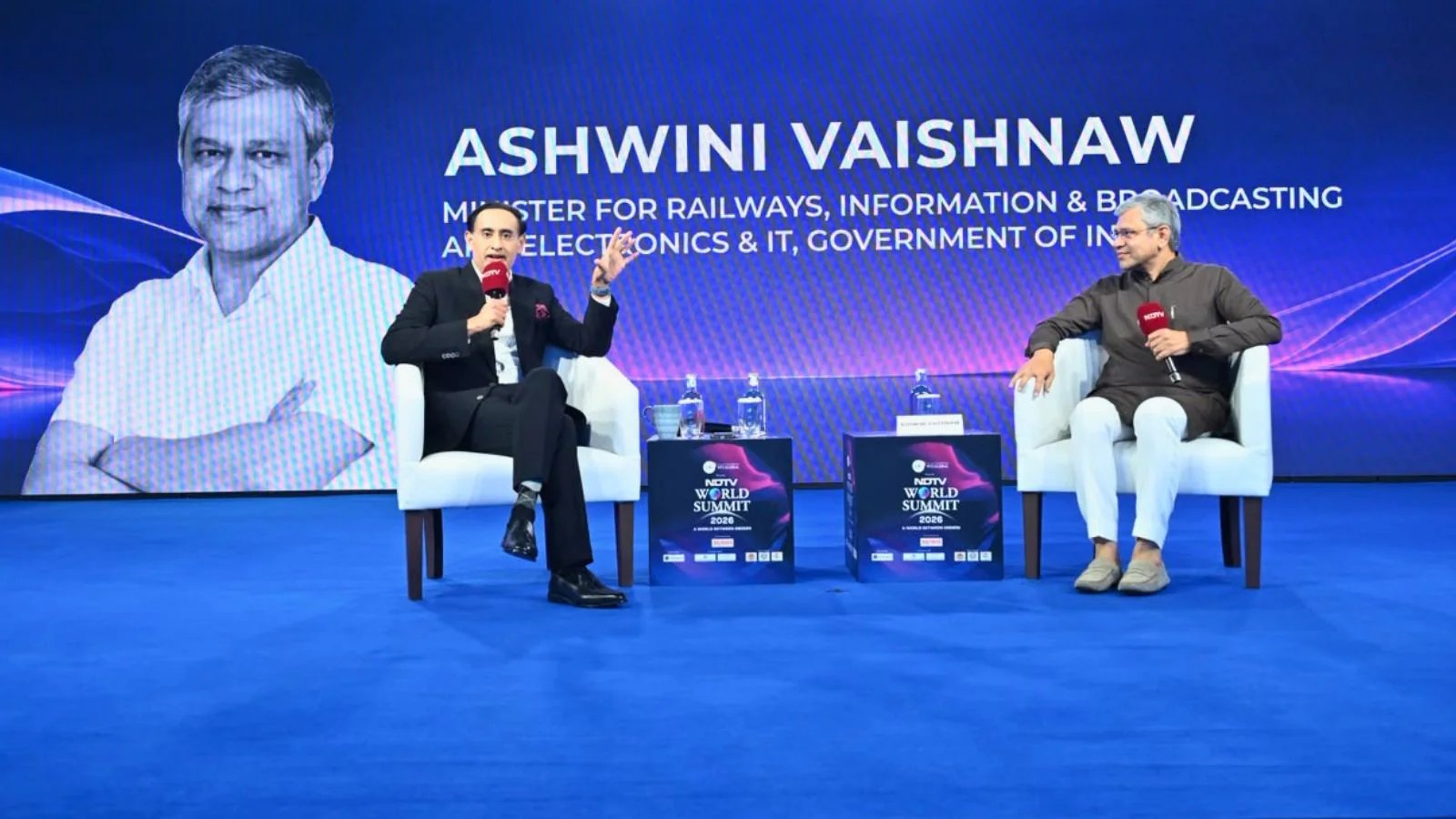
India is poised to transition from a global assembly hub to a design powerhouse, with the government eyeing the launch of a fully homegrown, indigenously manufactured mobile phone brand by October 2028. This ambitious timeline was confirmed by Union Electronics and IT Minister Ashwini Vaishnaw during the recent NDTV World Summit 2026.
Addressing queries regarding the absence of an Indian equivalent to global giants like Apple or Samsung, the Minister emphasized that the nation is systematically cultivating the technical infrastructure and design expertise required to challenge the current market leaders. “October 23, 2028, is the date. You will have Indian brand mobile phones designed and manufactured in India by then; please note it,” Vaishnaw asserted.
The Complexity of Hardware Sovereignty
Building a world-class smartphone brand involves far more than merely setting up production lines. The Minister underscored the immense technical hurdles associated with modern hardware design. A contemporary smartphone is a hyper-complex integration of diverse technologies, including radio frequency modules, advanced antennas, high-performance computing units, complex memory systems, and sophisticated power management circuits.
Furthermore, engineers must balance these high-tech components within a constrained, lightweight chassis while managing stringent power consumption requirements. Achieving this level of precision in design while maintaining intellectual property (IP) control is what separates basic assembly from true product development.
From Assembly to Intellectual Property
The Indian government’s strategy has been to move beyond the “Make in India” phase—where the country primarily functions as a contract manufacturing base—toward a self-reliant ecosystem rooted in local R&D.
To bridge this gap, the government initiated a challenge three years ago, urging Indian design firms to master the development of Printed Circuit Boards (PCBs). Often referred to as the “motherboard” or the nervous system of any electronic device, the PCB is critical to a phone’s architecture.
According to Minister Vaishnaw, this initiative has already yielded success. He revealed that an Indian company successfully met the challenge, developing a design that was subsequently adopted by a major US-based telecom service provider. The firm has already manufactured and supplied 5G-plus devices to the American market, marking a significant milestone for Indian design capabilities.
Scaling for the Future
While the identity of the companies involved remains undisclosed, the Minister’s message is clear: India has successfully validated its capability to design complex hardware for global telecom operators. The focus now shifts toward leveraging this newfound expertise to create a consumer-facing brand that carries the “Made in India” label from the conceptual design stage to the final manufacturing process.
As India prepares for this new chapter in its electronics manufacturing journey, the push is toward full ownership of intellectual property. By 2028, the government envisions an ecosystem where Indian brands not only assemble devices but define the technological standards, design architectures, and innovative capabilities that power the next generation of mobile communication. This evolution marks a pivotal shift in India’s industrial trajectory, positioning the nation to become a significant player in the global technology value chain.
Disclaimer: This content is auto-generated for informational purposes only.
Source: Read Original News