









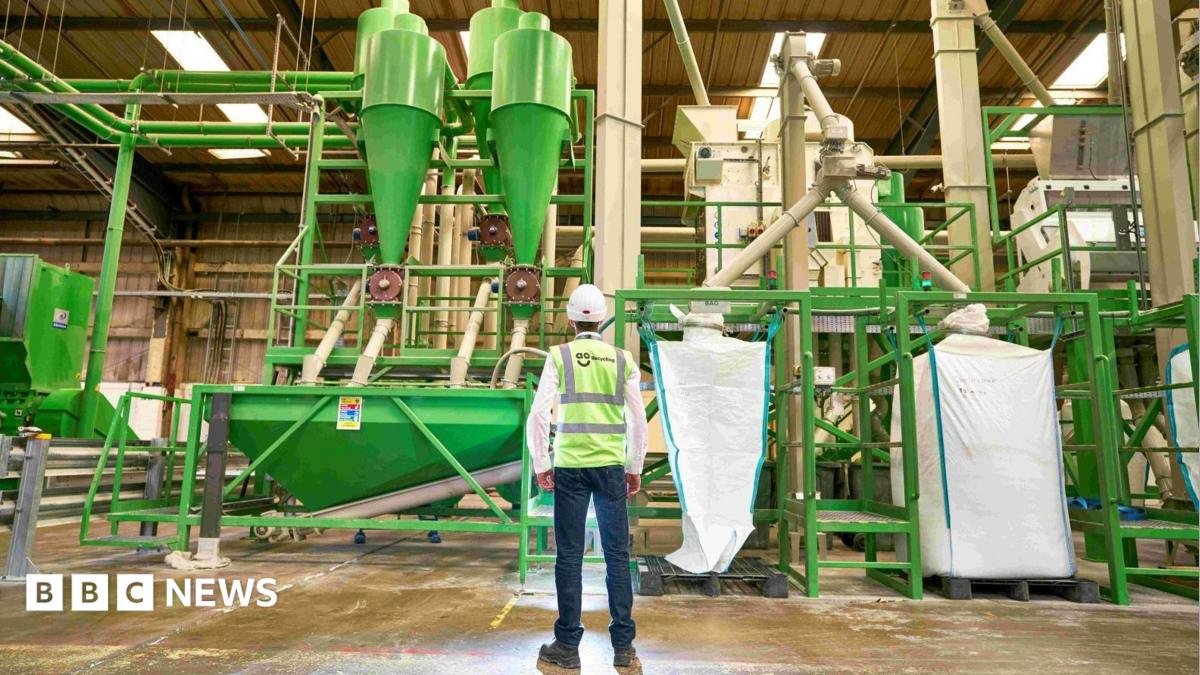
The UK’s recycling infrastructure for household appliances is facing an unprecedented crisis, as record-breaking summer heatwaves trigger a massive backlog in the processing of fridges and freezers. Industry experts warn that the country’s waste management systems are struggling to keep pace with the sheer volume of discarded white goods, a situation compounded by climate change and a shrinking number of operational processing plants.
Typically, the peak season for appliance recycling lasts between seven to 10 days. However, this summer, officials reported a surge that lasted for five to six weeks. The influx of appliances, pushed to the breaking point by the heat, forced dozens of local councils across the country to suspend collections in August.
“The volume of fridges being recycled across the country was significantly higher than we’ve ever seen, and for a much longer period of time,” said industry spokesperson Ware. “We are trying to predict the unpredictable, which is the British summer.”
The logistics bottleneck has been exacerbated by a critical reduction in national capacity. Over the past 14 months, three of the UK’s 10 full-scale recycling plants have closed, leaving the remaining facilities under immense strain. Furthermore, these sites are physically unable to operate in extreme heat. When temperatures exceed 30C, processing must stop to ensure safety and environmental compliance.
At the heart of the operation is “Bertha,” an 80-tonne crushing machine used to safely extract hazardous pollutants from old cooling appliances. Keeping the massive piece of machinery cool is essential to preventing dangerous leaks, meaning that when the thermometer rises, production must come to a halt.
To mitigate the risk of future service collapses, recycling firms are now rushing to overhaul their infrastructure. Planned investments include enhanced cooling systems for plant machinery to minimize downtime and the creation of additional storage space to act as a buffer during peak demand.
Looking ahead, companies are already bracing for the possibility of even more extreme weather patterns. With global climate phenomena such as El Niño influencing temperatures, operators are no longer relying on historical data to plan their capacity. Ware noted that internal planning for next summer is already underway, acknowledging that the industry must adapt to a new, more volatile reality.
“We haven’t started taking bets in the office yet on what that’s going to be, but I’m certainly learning more about the effects of climate patterns,” Ware added.
For now, the sector remains in a reactive state, hoping that upgrades to cooling technology and improved storage buffers will be enough to prevent a repeat of this summer’s widespread service disruptions. As the climate continues to shift, the resilience of the nation’s waste processing network remains a pressing concern for both local authorities and environmental regulators.
Disclaimer: This content is auto-generated for informational purposes only.
Source: Read Original News