








The Structural Shift in Global Energy Markets
The global energy landscape is currently undergoing a fundamental transformation that extends well beyond the cyclical fluctuations traditionally observed in commodity markets. According to Fatih Birol, Executive Director of the International Energy Agency (IEA), the current instability in energy supplies is not a temporary anomaly tied to specific geopolitical flare-ups but rather a systemic realignment. The premise that markets will return to the status quo observed prior to recent conflicts by 2027 is increasingly viewed as untenable. This shift signifies that businesses must move away from the assumption of “mean reversion” and instead prepare for a high-cost, high-volatility environment as a new baseline.
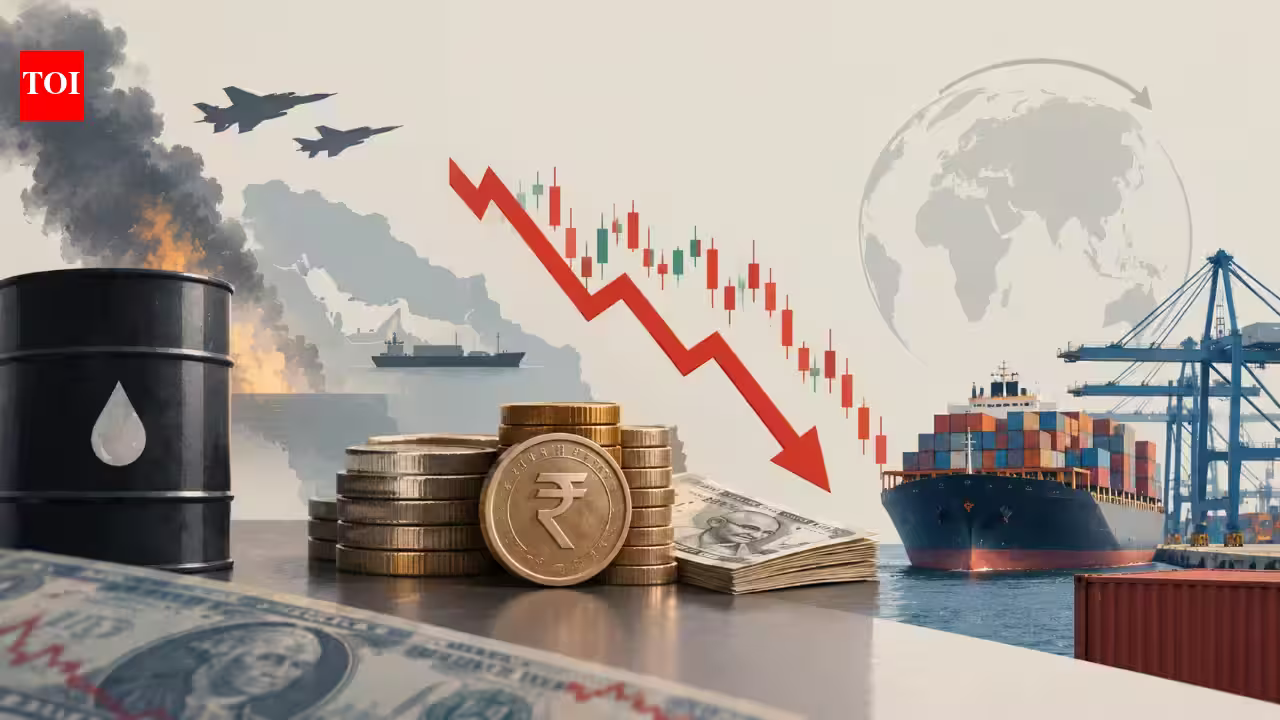
The disruption of established trade routes, the weaponization of energy resources, and the divergence of global supply chains have collectively dismantled the era of cheap and reliable energy. For global trade, this means that energy security is no longer an ancillary concern handled by procurement departments; it has become a central strategic pillar for both national governments and private enterprises. The reality of oil prices flirting with the $120 per barrel mark serves as a stark indicator that the friction in the energy transition—compounded by ongoing geopolitical friction—is placing an unsustainable burden on global macroeconomic stability.
Implications for the Indian Macroeconomic Landscape
For India, a country that remains heavily dependent on energy imports to fuel its rapidly expanding industrial and manufacturing base, these structural changes present a significant macroeconomic challenge. As the third-largest consumer of oil globally, India’s trade deficit is highly sensitive to fluctuations in crude prices. When oil benchmarks hover around $120 per barrel, the fiscal pressure on the Indian government intensifies, leading to inflationary impulses across the value chain.
The cascading effect of high energy costs is felt most acutely in the logistics and transport sectors, which form the backbone of the Indian supply chain. Because diesel remains a primary fuel for heavy commercial vehicles and decentralized power generation, sustained high prices directly erode the profit margins of small and medium enterprises (SMEs) and drive up the landed cost of finished goods. Furthermore, the Indian rupee faces persistent downward pressure as the demand for foreign exchange to cover ballooning energy import bills increases. This creates a difficult environment for the Reserve Bank of India, which must balance the need to curb imported inflation with the necessity of maintaining a growth-oriented interest rate regime.
Refining Constraints and the Winter Supply Crunch
Beyond the price of raw crude oil, the global economy is facing an acute crisis in refined product availability. The IEA’s warning regarding the upcoming winter season highlights a critical imbalance: while crude supply is tight, the capacity to convert that crude into usable fuels like diesel and heating oil is even more constrained. Refineries, many of which deferred maintenance during the pandemic years, are now entering mandatory shutdown periods. This synchronization of maintenance activities threatens to create a localized supply vacuum just as seasonal demand for heating and logistics fuels peaks in the Northern Hemisphere.
In the Indian context, the domestic refining sector is relatively robust, yet it is not immune to global product shortages. India acts as a significant exporter of refined petroleum products to various parts of the globe. When global margins for diesel and gasoline spike due to external supply shortages, the incentive to export increases, which can occasionally tighten domestic supply. Businesses operating in India must therefore anticipate potential volatility in fuel availability and pricing, necessitating more agile inventory management and a re-evaluation of energy procurement contracts.
The European Energy Paradox and Global Spillovers
The crisis in Europe serves as a cautionary tale for the interconnectedness of modern energy markets. The deliberate policy choice by European nations to decouple from Russian gas imports, coupled with concurrent supply disruptions from regions like the Middle East, has created a scramble for Liquefied Natural Gas (LNG) cargoes. Because gas markets are increasingly globalized, the premium that European importers are willing to pay to secure energy security pulls supply away from other regions, including parts of Asia.
This intense competition for limited resources forces developing economies into a bidding war. For industrial players in India, this means that securing long-term gas supply contracts is becoming significantly more expensive and complex. The situation underscores the need for Indian industries to prioritize energy efficiency and transition toward diversified energy sources. The reliance on imported LNG for fertilizer production, power generation, and city gas distribution makes the Indian economy exceptionally vulnerable to the spillover effects of the European energy crisis.
The Strategic Pivot: Nuclear Energy and Transition Realities
In response to the long-term uncertainty, the global energy discourse is witnessing a pragmatic pivot toward energy sources that were previously relegated to the sidelines. Fatih Birol’s observation regarding the “strong comeback” of nuclear power is particularly relevant. With 90 gigawatts of capacity under construction globally, there is a clear acknowledgment that intermittent renewables, while vital, may not provide the necessary baseload stability required for industrial scale-up in a fractured geopolitical environment.
India has long recognized the importance of nuclear energy as a clean, baseload power source and has been systematically working toward expanding its fleet of domestic reactors. Given the IEA’s projections, accelerating these nuclear programs is no longer just a climate-conscious goal; it is a critical energy security imperative. As businesses navigate this period of prolonged instability, the focus must shift toward energy self-reliance through a balanced mix of domestic renewable generation, increased efficiency, and investments in stable, non-volatile energy technologies.
Navigating the New Era of Uncertainty
The period leading up to 2027 and beyond will be defined by the ability of businesses to decouple their growth from volatile global energy inputs. The era of assuming energy availability is over. Executives must now integrate energy security into their long-term capital allocation strategies. This involves moving beyond mere cost-hedging to deeper structural changes, such as investing in proprietary energy infrastructure, diversifying the supply chain to minimize exposure to disrupted regions, and embracing circular manufacturing processes that reduce total energy intensity.
For the Indian corporate sector, the message is clear: the volatility in energy markets is a permanent feature of the current geopolitical order. Companies that thrive in this environment will be those that view energy not merely as an operating expense, but as a strategic variable that requires sophisticated risk management. By aligning with national priorities in green energy and nuclear capacity, and by optimizing internal operations for an era of high-cost energy, Indian businesses can build resilience against the shocks that appear destined to characterize the energy landscape for the remainder of the decade.
Disclaimer: This content is auto-generated for informational purposes only.
Source: Read Original News