








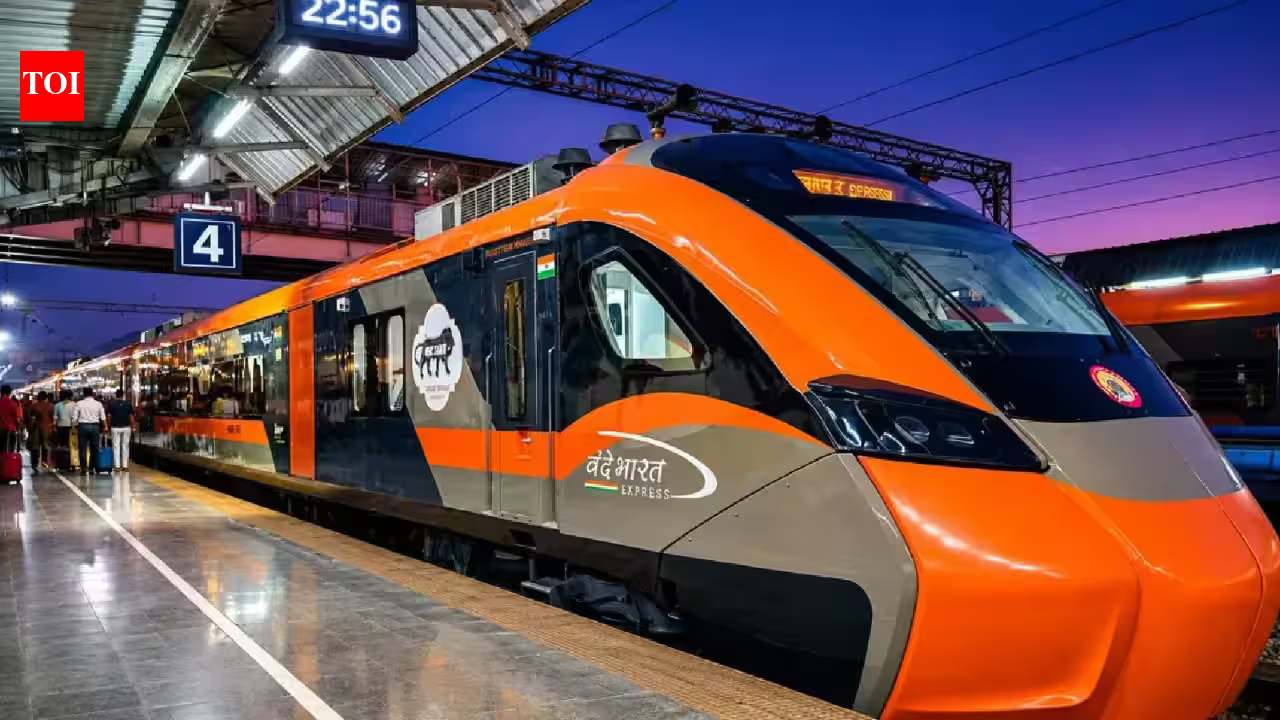
The expansion of the Vande Bharat Sleeper network marks a significant evolution in Indian rail infrastructure, representing a pivot toward high-speed, premium-class overnight travel. By introducing dedicated routes between Mumbai and Bengaluru, and Varanasi and New Delhi, the Ministry of Railways is addressing two of the country’s most critical transit corridors. These services are strategically positioned to bridge the gap between traditional long-distance mail express trains and the logistical costs of short-haul air travel, catering specifically to a growing demographic of business professionals, tourists, and pilgrims who prioritize efficiency.
Strategic Connectivity and Economic Impact
The introduction of the Mumbai-Bengaluru Vande Bharat Sleeper is particularly noteworthy from a logistical standpoint. Connecting the financial capital of India with the nation’s technology hub requires high reliability and time efficiency. The proposed journey time of 15 hours and 45 minutes represents a substantial improvement over legacy services like the Udyan Express, effectively saving passengers over six hours of travel time. This shift is not merely about velocity; it is about maximizing the productivity of the workforce. By enabling departure in the evening and arrival before noon, the rail network allows professionals to complete their travel during non-working hours, thereby minimizing the impact on the business day.
Similarly, the Varanasi-New Delhi route serves as a crucial link for northern India’s pilgrimage and economic circuit. As Varanasi undergoes massive infrastructural development, the need for seamless connectivity to the national capital has intensified. By integrating key nodes like Prayagraj and Kanpur, this route supports a diverse passenger base, ranging from high-frequency business commuters to long-distance pilgrims, thereby streamlining the logistics of travel through the heart of the Hindi heartland.
Operational Efficiencies and Competitive Pricing
The fare structure of the Vande Bharat Sleeper initiative reveals a disciplined approach to competitive positioning. By setting rates between Rs 2.40 and Rs 3.80 per passenger per kilometre, Indian Railways is intentionally positioning itself as a value-oriented alternative to both air travel and traditional luxury rail segments. When compared to international standards in countries like Japan or China, where per-kilometre rates are significantly higher, the pricing strategy for these trains appears designed to maintain mass-market accessibility while offering premium amenities.
This pricing model acknowledges the Indian market’s sensitivity to cost, even within the premium segment. By maintaining lower costs than international high-speed rail counterparts, the railways can sustain higher occupancy rates, ensuring that the heavy capital expenditure required for these rolling stocks is offset by consistent utilization. This approach helps the national transporter sustain its social mandate while simultaneously moving toward an asset-light operational mindset in terms of per-trip yield management.
Redefining Passenger Experience and Technology
The shift toward the Vande Bharat Sleeper format is a departure from the traditional reservation system. The total exclusion of Reservation Against Cancellation (RAC) tickets is a policy move that prioritizes the quality of the passenger experience. In traditional Indian trains, the presence of RAC passengers often results in crowded cabins and less space for those with confirmed bookings. By removing this, the Vande Bharat series elevates the onboard experience to meet modern standards, mirroring the reliability of air travel booking systems.
Technologically, the integration of these trainsets into the existing network is supported by the completion of high-speed trials, with some segments testing at speeds of up to 160 kmph. As more segments of the Indian rail tracks are upgraded to support these higher speeds, the Vande Bharat series is set to become the standard for intercity transit. The inclusion of dedicated reservation quotas for senior citizens, women, and persons with disabilities ensures that the transition to premium services remains inclusive, reflecting a balanced approach to modernizing the fleet without alienating vulnerable passenger segments.
Catering to Regional Markets and Future Scalability
Food and catering have historically been a pain point in Indian long-distance rail travel. By leveraging the Indian Railway Catering and Tourism Corporation (IRCTC) to curate menus that feature regional cuisines specifically tailored for these routes, the railways are attempting to enhance the total journey experience. The customization of onboard services for the Mumbai-Bengaluru route—a corridor that spans multiple cultural zones—indicates a move toward hyper-localization in service delivery.
Looking ahead, the success of these two new routes will likely serve as a blueprint for the expansion of the sleeper network to other high-density corridors, such as Ahmedabad-Mumbai or Delhi-Kolkata. The ability to pivot from day-based Chair Car services to overnight Sleeper services is a major operational advantage. It allows the railways to maximize the daily cycle of each trainset, keeping the assets in constant operation. As domestic tourism continues to expand and Tier-II cities grow in industrial importance, the Vande Bharat Sleeper is poised to become the backbone of the “middle-segment” travel market, effectively capturing passengers who currently rely on buses or low-cost air carriers.
Conclusion
The roll-out of the new Vande Bharat Sleeper services is more than a technical upgrade of the rail fleet; it is a fundamental shift in how the state manages connectivity between major urban centers. By providing a reliable, fast, and comfortable alternative to older train sets, the Indian Railways is addressing the evolving requirements of a nation undergoing rapid urbanization. With a focus on competitive pricing, improved onboard amenities, and a modernized reservation system, these trains are well-positioned to meet the demands of the modern Indian traveler while reinforcing the importance of rail as the country’s most vital transport backbone. As the service matures, the impact on regional logistics and passenger productivity will likely justify further investments in this high-performance category.
Disclaimer: This content is auto-generated for informational purposes only.
Source: Read Original News