







Balancing Giants: India’s Strategic Calculus Amidst Border Tensions and Shifting Ties with the West
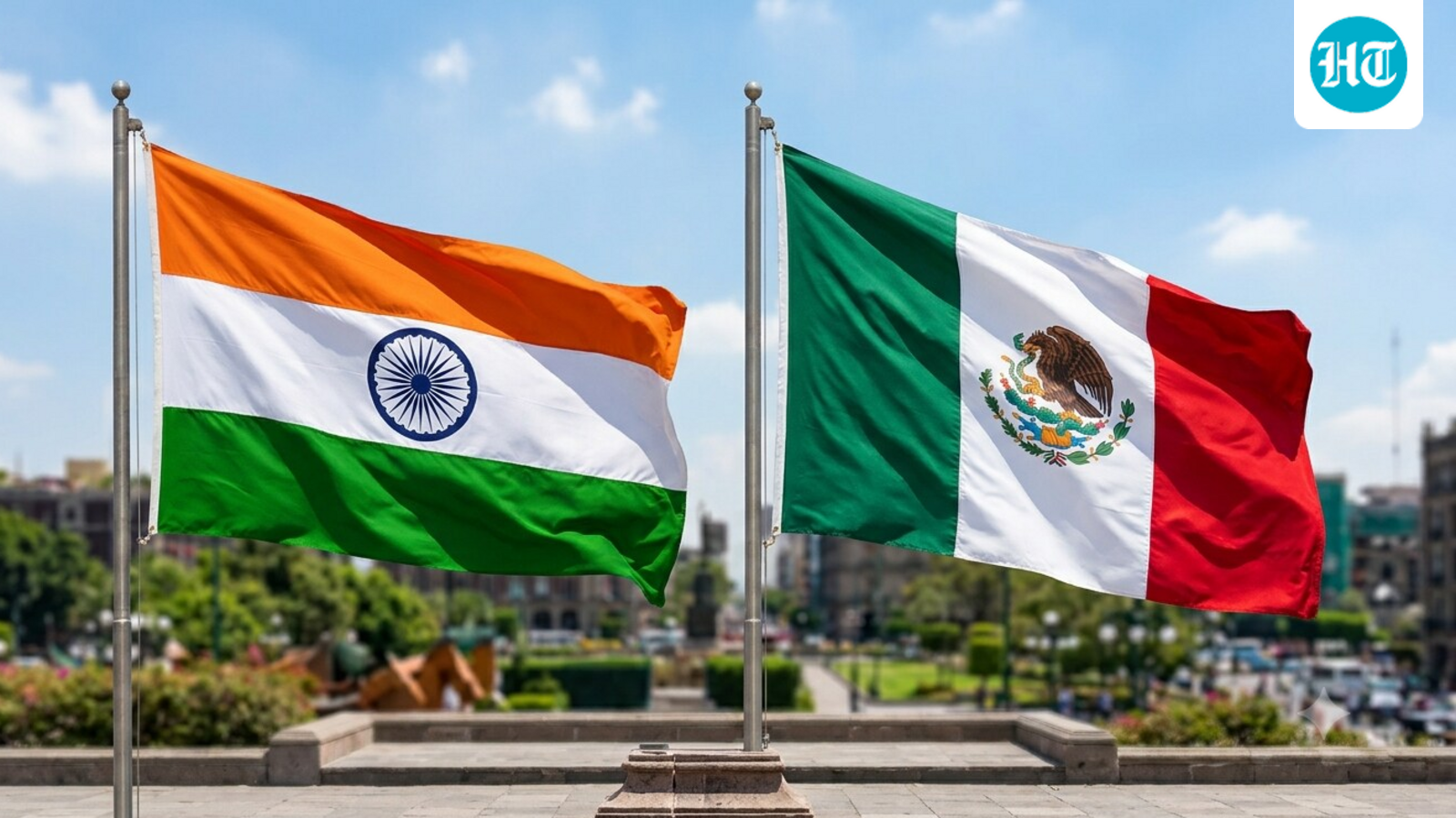
India’s contemporary foreign policy is defined by a delicate, high-stakes balancing act. As New Delhi navigates the volatility of the Line of Actual Control (LAC) with China and the complex, often unpredictable economic landscape of its relationship with the United States, its overarching strategy remains rooted in “strategic autonomy.” This approach, according to Hindustan Times Executive Editor Shishir Gupta, focuses on maintaining national interests without tethering the country’s fate to any single geopolitical pole.
The Reality of the Border: Contested Claims and Measured Responses
Recent reports regarding activity along the frontier in Arunachal Pradesh have stirred public discourse, particularly following comments from the outgoing chief of the Indo-Tibetan Border Police (ITBP). However, analysts urge caution against overreacting to individual statements. Border stability is a multi-dimensional issue managed through a combination of intelligence, military posturing, and diplomatic negotiation.
At its core, the situation along the LAC is a persistent contest of competing territorial perceptions. While incidents of overlapping patrols are frequent, they do not automatically signify a shift in control or an imminent slide into large-scale conflict. Instead, India continues to utilize existing bilateral mechanisms to prevent miscalculations. By holding its ground firmly while keeping communication channels open, India aims to maintain a status quo that discourages unilateral aggression. While the path to long-term resolution is often measured in years—as evidenced by the slow, deliberate process in eastern Ladakh since 2020—the current assessment suggests that a major escalation remains unlikely.
The Question of Chinese Motivation
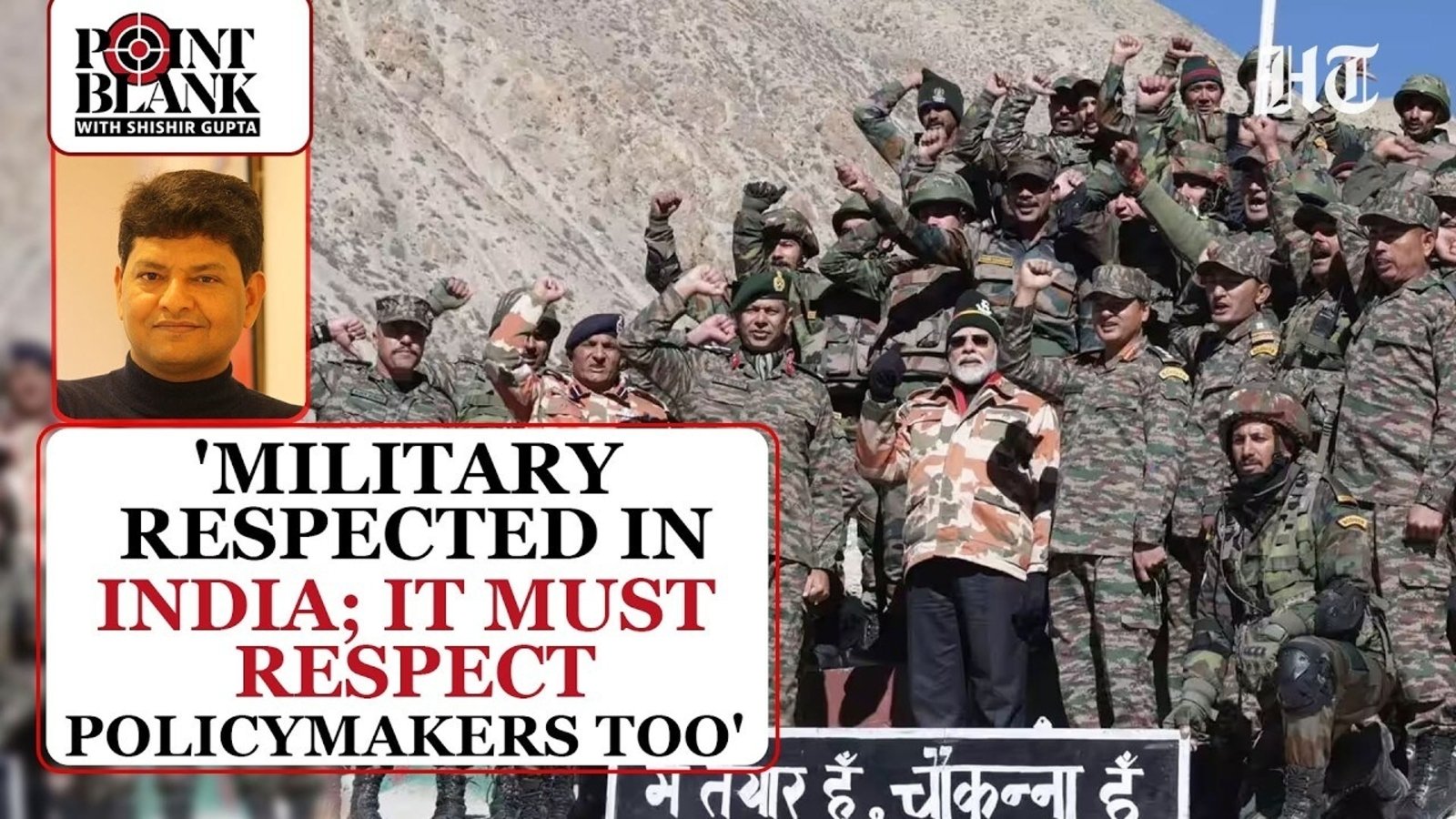
What drives the recent assertiveness in border patrolling remains open to interpretation. It is unclear whether these actions stem from top-down directives from Beijing or are the result of local commanders acting under pressure to demonstrate performance. Observers note that internal shifts within the Chinese military leadership, coupled with the rapid development of infrastructure and border villages, complicate the security landscape. Regardless of the driver, India’s response has remained consistent: a commitment to being prepared for any scenario, including sustaining a robust military presence throughout the challenging winter months.
Washington: A Partnership of Interests and Uncertainty
Parallel to the border challenges is the evolving relationship with the United States. While recent diplomatic exchanges between the two nations have been largely constructive—touching upon vital areas such as counter-terrorism and energy security—the economic component of the partnership remains in flux.
Trade negotiations between New Delhi and Washington are still in the preliminary, fluid stages. India seeks long-term stability and competitive terms, but it remains wary of abrupt policy shifts driven by American domestic political cycles. Whether it is the status of tariff waivers or the complexities of energy trade, the relationship is defined more by mutual convenience than by ironclad certainty.
Strategic Autonomy as a Path Forward
India’s rejection of a binary choice—forcing it to align exclusively with either Washington or Beijing—is central to its vision for the future. By championing the concerns of the Global South and actively diversifying its economic and energy partnerships, India is systematically reducing its dependence on any singular power.
From exploring energy corridors with partners like Canada to pursuing robust trade frameworks with the European Union, the message is clear: India intends to keep its options open. The ultimate goal is to ensure that while India engages deeply with the global community, it does so from a position of strength, firmly grounded in its own national priorities and the flexibility to maneuver in an increasingly fragmented world.
Disclaimer: This content is auto-generated for informational purposes only.
Source: Read Original News