








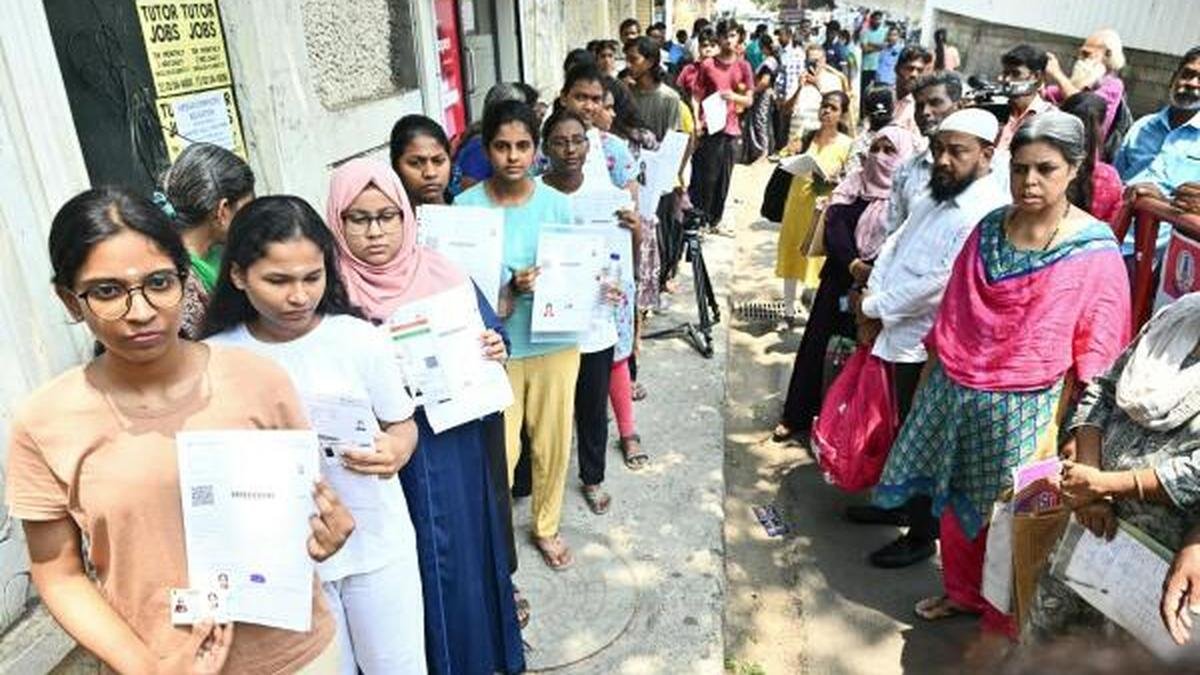
Reimagining NEET: The Digital Shift and the Quest for Integrity
The integrity of India’s medical entrance examination, NEET, has faced unprecedented scrutiny following the crisis of 2024 and subsequent challenges in 2026. As the National Testing Agency (NTA) grapples with systemic failures, the conversation has shifted toward radical technological reform. A High-Powered Task Force (HPTF), led by former UIDAI chairman Nandan Nilekani, is now spearheading an effort to modernize the examination process through digital infrastructure, secure question vaults, and potentially, Generative AI.
However, as experts warn, the transition from pen-and-paper to high-tech digital systems is not a panacea. It requires a rigorous evidence-based approach that prioritizes fairness, equity, and institutional accountability above mere technological sophistication.
The Promise and Perils of CBT
The move toward Computer-Based Testing (CBT) has been central to the recommendations of the Dr. Radhakrishnan Committee and the subsequent HPTF deliberations. By eliminating physical printed papers, the NTA hopes to mitigate the risks of leaks during transportation and OMR tampering.
Yet, CBT introduces a new layer of digital vulnerabilities. While it removes some human touchpoints, it creates others: software vendor dependency, server security, cybersecurity threats, and the perennial risk of “insider” access to digital databases. Moreover, there is a significant equity concern. The digital divide remains a stark reality in India; rural candidates or those with limited exposure to digital testing may face an inherent disadvantage compared to urban, tech-savvy students. Technical glitches at examination centers—which have occurred even in metropolitan areas—can result in catastrophic consequences for a candidate’s career, underscoring the need for robust operational reliability.
Question Vaults and the AI Question
Mr. Nilekani’s proposal to transition from static, pre-set question papers to a dynamic “secure question vault” aims to reduce the window of opportunity for leaks. Under this model, a large, continuously updated pool of vetted questions would be stored digitally. Papers would be assembled and transmitted to centers shortly before the exam.
While this reduces the time an adversary has to access a finished paper, it does not guarantee security. A large repository of sensitive data creates a high-value target for hackers or malicious insiders. Furthermore, the reliance on GenAI for paper generation or selection introduces complexities regarding data exposure, prompt security, and the accuracy of automated translations. Whether using conventional algorithmic selection or GenAI, the process must be independently audited to ensure that difficulty levels remain comparable across multiple exam sessions—a critical necessity given the sheer scale of the 24 lakh NEET candidates who would likely be split into 16–20 separate sessions.
Normalisation and the Challenge of Fairness
In a system where multiple exam sessions are required, the challenge of “normalisation”—the statistical process of ensuring scores are comparable—becomes paramount. Unlike other entrance exams that serve as qualifiers for a second round, NEET scores are the absolute determinant for medical admission. Even minor inequities in the perceived difficulty of a paper can shift ranks, potentially denying deserving students a seat at premier institutions.
Statistical normalisation is not a cure-all for poorly calibrated or unequal question papers. Before implementing such a system nationwide, the NTA must demonstrate through transparent, peer-reviewed pilots that its methodology is robust and that it does not inadvertently penalize students based on the session they are assigned.
The Path Forward: Evidence Before Implementation
The history of the NEET reforms, particularly the 101 suggestions from the Dr. Radhakrishnan Committee reportedly adopted without pilot testing, serves as a cautionary tale. Technological modernization is only as effective as the institutional framework that supports it.
“Technological safeguards alone cannot address institutional vulnerabilities or collusion,” notes former IIT Professor Rajeev Kumar. The path forward must involve rigorous, controlled pilots and independent, third-party audits of every phase of the new system—from question creation and translation to server security and score normalisation.
Ultimately, the goal of modernizing NEET should not be the adoption of the latest technology, but the creation of a system that is demonstrably more secure, reliable, and fair. Until the NTA can provide empirical evidence that these digital shifts mitigate rather than merely relocate risks, caution must be the watchword. India’s examination system requires fundamental institutional reform and accountability that no amount of code can replace.
Disclaimer: This content is auto-generated for informational purposes only.
Source: Read Original News