








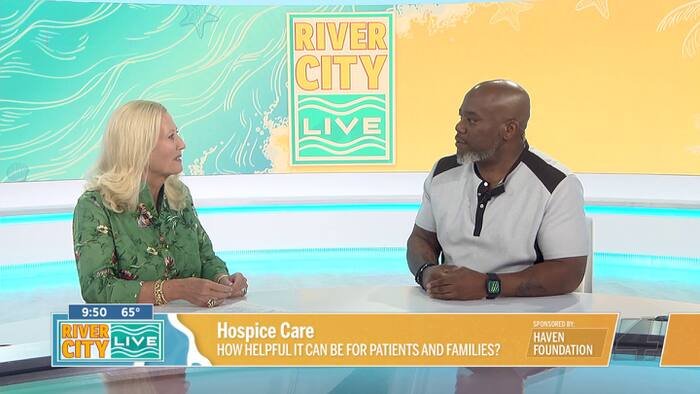
Health Experts Urge Families to Rethink Hospice Myths as Quality of Life Takes Center Stage
Public health advocates and care providers are sounding the alarm on a critical barrier preventing families from accessing end-of-life support: persistent, outdated misconceptions regarding hospice care. Despite advancements in medical support and palliative services, experts note that many families continue to delay vital care due to widespread misunderstandings about what hospice actually entails.
In an effort to clarify these misconceptions, the Haven Foundation is launching a community-wide educational initiative this month. The core message is clear: hospice is not a “place” where one goes to give up, but rather a specialized philosophy of care that can be delivered wherever a patient resides. Whether in a private home, an assisted living facility, or a nursing center, the primary focus remains on comfort, dignity, and the management of complex symptoms to ensure the highest possible quality of life.
“There is a pervasive fear that choosing hospice signifies the end of hope,” said a representative from the Haven Foundation. “The reality is quite the opposite. Early referral to hospice allows for expert pain and symptom management, which can significantly improve a patient’s well-being. It is about adding life to days, not just days to life.”
Statistics from care providers reveal that patients who are referred earlier in their diagnosis often experience better outcomes. Contrary to the myth that hospice care is only for the final days of life, patients are eligible to receive these services for months or even years, provided they meet the medical criteria. Furthermore, clinical studies have consistently debunked the narrative that hospice care hastens death. Instead, by addressing the physical, emotional, and spiritual needs of the patient, hospice professionals provide a robust support system that often eases the burden on both the patient and their loved ones.
Affordability is another common point of confusion. Many families avoid inquiring about hospice under the assumption that it is a luxury service beyond their financial reach. However, experts stress that hospice care is widely covered by Medicare, Medicaid, and the vast majority of private insurance plans, rendering it an accessible resource for a broad segment of the population.
Beyond direct clinical support, organizations like the Haven Foundation are expanding their reach to address the ripple effects of end-of-life transitions. The Foundation currently funds a variety of community programs, including specialized dementia care, dedicated veteran support, and “Camp Safe Haven,” a initiative specifically designed to assist grieving children and teenagers.
As the healthcare landscape continues to evolve, advocates hope that by dismantling these stigmas, more families will feel empowered to seek the support they need earlier. Those looking for resources, guidance, or information on how to access these services are encouraged to visit HavenFoundation.org to learn more about the evolving landscape of compassionate, supportive care.
Disclaimer: This content is auto-generated for informational purposes only.
Source: Read Original News