









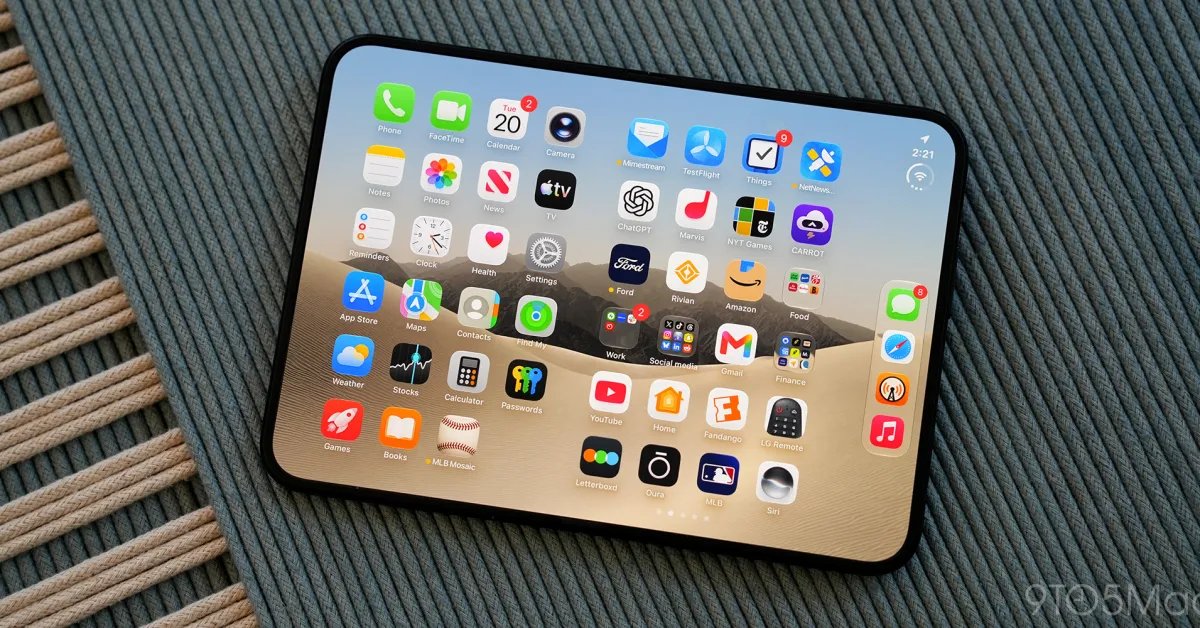
Understanding the iPhone Duo Display Architecture
The iPhone Duo represents a significant shift in mobile hardware design, introducing a foldable internal display that pivots on a precision-engineered hinge system. This form factor necessitates a flexible organic light-emitting diode (OLED) panel capable of sustaining repeated mechanical stress. At the core of the device, the hinge utilizes a complex series of micro-gears and tension-relief channels designed to distribute force evenly across the fold line. When closed, the display panel undergoes a specific curvature, and when opened, it must transition into a completely flat, rigid surface.
Maintaining the integrity of this display requires precise calibration of the internal support layers, specifically the ultra-thin glass (UTG) cover and the underlying polymer substrate. Any microscopic deviation in the assembly of these layers or the structural alignment of the hinge can lead to localized stress concentration. Recent technical evaluations suggest that the current issue is primarily mechanical, resulting from localized pressure points during the opening and closing cycles rather than a defect in the display material itself.
Investigating Reported Hardware Failures
Technical reports originating from early adopters and verified via teardown analysis indicate that some units are experiencing hairline fractures along the vertical centerline. This area corresponds precisely with the device’s central hinge assembly. Engineering assessments have identified that under specific assembly conditions, internal components may exert excessive force against the rear of the display stack during the folding process.
While the failure rate remains statistically low, the visibility of these cracks has prompted a swift response from Apple. Preliminary findings from industry analysts, including teams like iFixit, suggest that internal cable routing or reinforcement brackets might be making contact with the flexible screen structure under certain environmental conditions. This contact creates a point of high tension, which, over repetitive use, compromises the structural integrity of the display’s protective layer. The nature of these reports—surfacing relatively quickly after purchase—supports the theory that the issue is related to factory assembly tolerances rather than long-term wear and tear.
Apple’s Response and Replacement Protocols
Apple has formally acknowledged the situation, confirming that it is monitoring a small cohort of affected devices. The company has moved to streamline the resolution process for impacted customers. Crucially, Apple is bypassing standard retail or carrier channels for these specific cases, instructing users to deal directly with AppleCare. This decision ensures that the company can perform high-level diagnostic assessments on failed units to further refine the manufacturing process and prevent recurrence in future batches.
The replacement policy is notably comprehensive. Users do not require the optional AppleCare+ extended warranty to receive a replacement device for this specific hardware defect. This indicates that Apple is treating the issue as a manufacturing anomaly rather than accidental damage. By centralizing the intake process, the company can efficiently collect data on the specific hinge tension or assembly variables that led to the failures, allowing for real-time improvements on the production line.
Distinguishing Valid Hardware Reports from Misinformation
The digital landscape surrounding new, high-profile hardware releases often involves a mixture of legitimate consumer feedback and artificially generated content. In the case of the iPhone Duo, there have been documented instances of AI-generated reports appearing on community forums like Reddit. These falsified posts often use manipulated imagery to depict exaggerated display failures, which can complicate the ability of the manufacturer and the public to gauge the true scale of a technical problem.
For users and industry observers, distinguishing between a genuine hardware defect and fabricated content requires careful vetting of the source material. Legitimate reports usually include specific details regarding the device’s purchase date, usage patterns, and clear, high-resolution photographic evidence that shows consistent patterns of failure. Users are encouraged to ignore anecdotal reports that lack verifiable context and instead rely on information provided by authorized service providers or established technical teardown outlets.
The Impact on Market Demand and Future Production
Despite the reports of display issues, consumer interest in the iPhone Duo remains exceptionally high, with Apple reportedly increasing production orders by over 40 percent. This upward trajectory in manufacturing suggests that the current screen issues are perceived by the market as isolated manufacturing hurdles rather than fundamental flaws in the device’s conceptual design. The rapid integration of software updates by third-party developers further indicates a strong commitment to the platform’s unique foldable interface.
As Apple continues to address the hardware concerns, the overarching trend shows that the foldable market is maturing. The ability to pivot quickly, provide proactive replacements, and maintain transparency regarding hardware limitations is critical for the long-term adoption of such novel form factors. If the current manufacturing adjustments successfully mitigate the pressure-point issues identified in the initial units, the iPhone Duo is positioned to set a new standard for how mobile devices can bridge the gap between pocketability and expansive digital workspace functionality. Continued refinement of the hinge mechanism and internal support structures will likely remain a key focus for future hardware iterations.
Disclaimer: This content is auto-generated for informational purposes only.
Source: Read Original News