








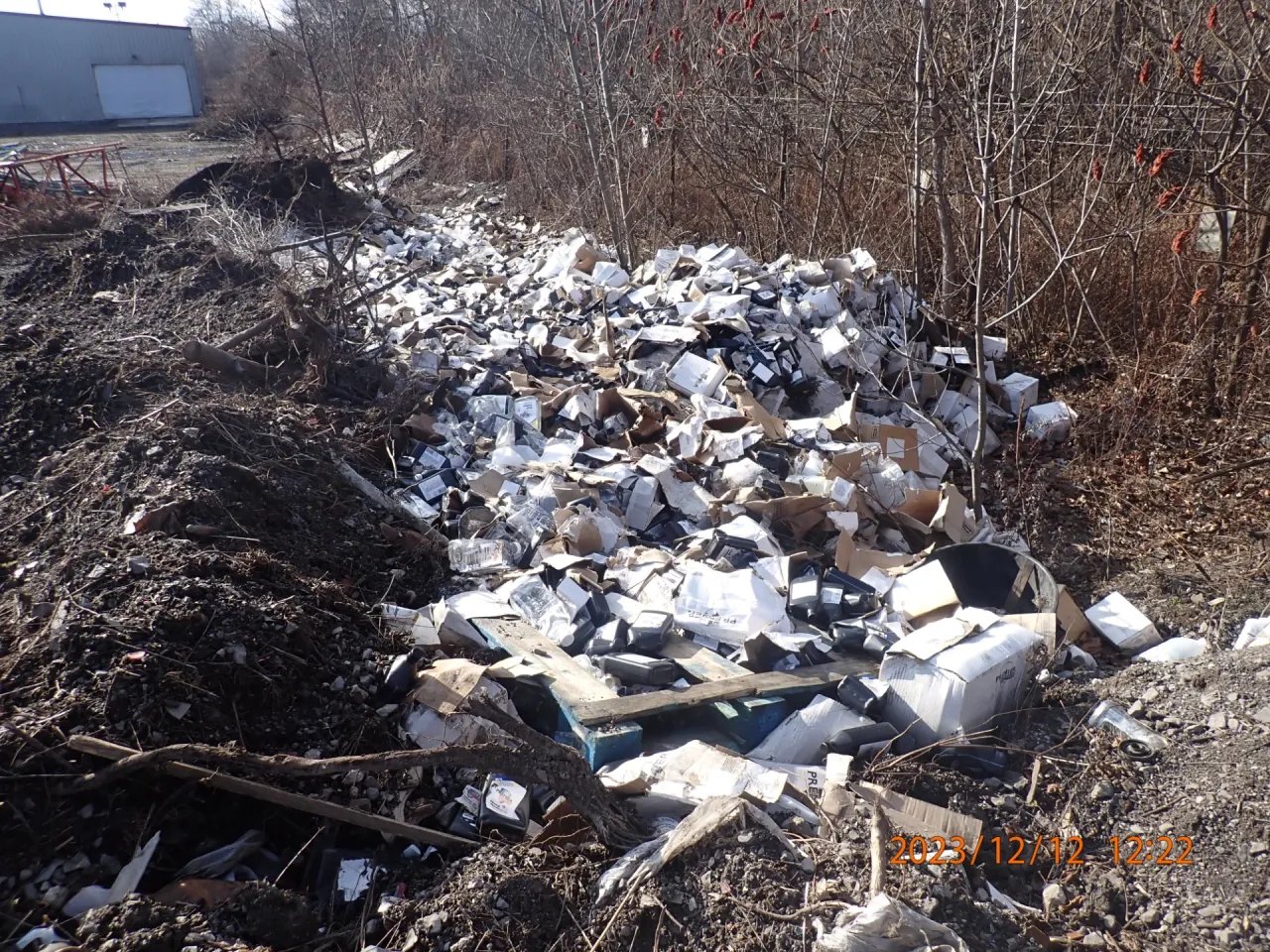
NIAGARA FALLS, N.Y. — A Niagara Falls enterprise has officially pleaded guilty to the unauthorized storage of hazardous materials at a site on Highland Avenue, according to a formal announcement from the United States Attorney’s Office. The legal admission arrives as regulatory bodies, increasingly powered by sophisticated artificial intelligence, are sharpening their oversight of industrial environmental compliance.
## The Intersection of Industrial Oversight and AI Surveillance
The case involving the Highland Avenue property highlights a growing trend in how government agencies track environmental violations. Modern environmental monitoring has evolved far beyond manual inspections. Today, the Environmental Protection Agency (EPA) and various state departments are integrating machine learning algorithms to scan satellite imagery and municipal data for signs of illegal dumping or improper hazardous material storage.
By utilizing computer vision models, regulatory agencies can now identify anomalies in land use that may indicate a breach of environmental law. These AI-driven tools analyze changes in spectral data, which can detect chemical contamination patterns or the accumulation of materials that do not align with a property’s zoned usage. For small-to-medium industrial businesses, this means that the “digital footprint” of a facility is being monitored with unprecedented precision.
## Data Integration and Google Cloud’s Role in Compliance
In the broader context of industrial operations, many firms are turning to robust data management suites—such as Google Cloud’s Vertex AI and BigQuery—to maintain internal compliance logs. These platforms allow companies to ingest vast amounts of sensor data and logistics information, providing a real-time dashboard of their own waste management practices.
When businesses fail to implement these high-tech safeguards, they often find themselves at a disadvantage during federal audits. Prosecutors increasingly rely on digital records, smart-meter energy consumption data, and historical site logs to build cases against operators who bypass safety protocols. The Niagara Falls incident serves as a stark reminder that the digital infrastructure governing industrial safety is becoming more interconnected, making it harder for hazardous waste violations to go unnoticed by federal investigators who utilize these advanced analytical frameworks.
## Enhancing Environmental Governance via Predictive Analytics
The legal proceedings regarding the Highland Avenue site are part of a national effort to standardize how environmental regulations are enforced in an era of rapid technological change. As AI-based risk assessment tools become more prevalent, the legal community is observing a shift toward “predictive compliance.”
Google’s suite of geospatial tools, including Google Earth Engine, has become a standard resource for environmental non-profits and government watchdog groups. These platforms enable parties to map historical site usage and contrast it with current activities, effectively creating a time-stamped narrative of site conditions. When a business enters a guilty plea for mishandling hazardous substances, the investigation often leverages these spatial insights to determine the duration and scale of the environmental risk.
As the tech industry continues to develop more accessible and affordable AI tools, the expectation for small businesses to monitor their own environmental impact is rising. For companies in industrial hubs like Niagara Falls, the path forward requires a blend of physical safety adherence and a proactive digital strategy. Maintaining digital logs that demonstrate compliance, utilizing cloud-based monitoring to track material disposal, and leveraging analytics to identify potential leak points are no longer optional “value-adds.” Instead, they have become the baseline requirements for modern enterprise management.
As the case in Niagara Falls moves toward sentencing, the focus remains on the environmental impact and the restitution required to stabilize the Highland Avenue site. However, the underlying message for the broader industry is clear: the integration of AI into government oversight means that environmental accountability is now as much about data transparency as it is about physical integrity. Future industrial operations must prioritize digital readiness if they are to successfully navigate an increasingly automated regulatory landscape.
Disclaimer: This content is auto-generated for informational purposes only.
Source: Read Original News