








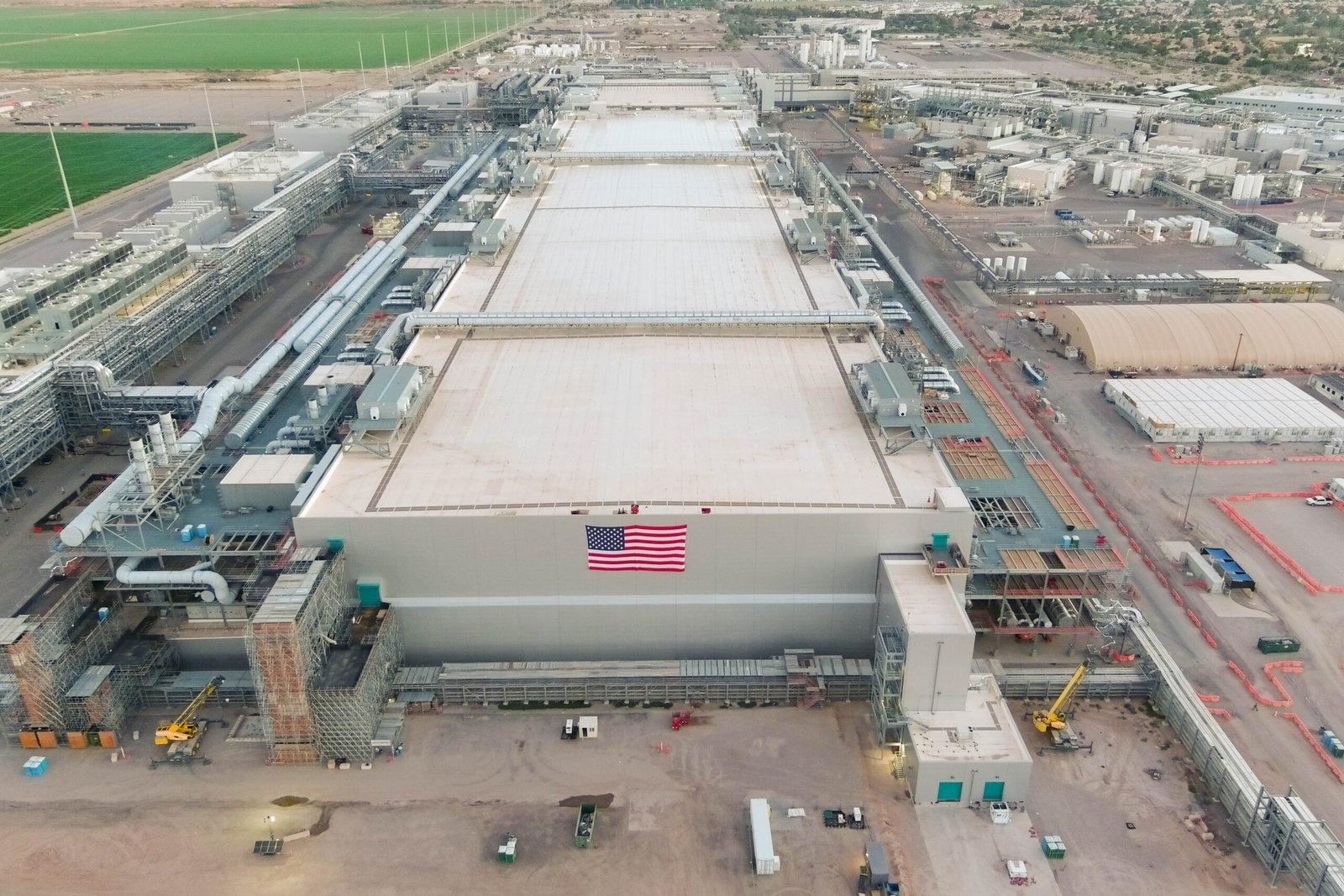
Intel is accelerating its push to reclaim global semiconductor leadership, confirming that construction and equipment installation for its latest Chandler, Arizona facility, Fab 62, are officially underway. The project, which is scheduled to reach full operational capacity by the end of 2028, marks a significant milestone in the company’s ongoing effort to bolster the U.S. chip supply chain.
Fab 62 will serve as the sixth high-volume manufacturing plant at Intel’s sprawling Ocotillo campus. According to Naga Chandrasekaran, Intel Foundry’s executive vice president and chief technology and operations officer, the site is a cornerstone of the company’s broader strategy to integrate cutting-edge research with high-scale domestic manufacturing.
## Advancing the Frontier of U.S. Chip Production
The addition of Fab 62 builds upon the successful launch of Fab 52, which currently serves as the production hub for Intel’s most sophisticated technology node, Intel 18A. As the industry moves toward increasingly powerful AI-driven processors, the importance of this manufacturing process cannot be overstated.
Intel has already begun showcasing the capabilities produced at its Arizona sites, highlighting next-generation hardware such as the “Panther Lake” architecture—designed specifically for advanced PC performance—and “Clearwater Forest,” a chip series engineered to handle the intense data-processing demands of server environments. By anchoring these technologies in the United States, Intel is positioning its Arizona facilities as the primary engine for domestic innovation, ensuring that the chips powering the next wave of artificial intelligence and cloud computing are made on American soil.
The economic footprint of these investments is substantial. Intel has committed $32 billion toward the development of its two newest Arizona factories. Beyond the direct investment, the company contributes an estimated $10.7 billion annually to the local economy, supporting a vast network of suppliers and specialized service providers that keep the high-tech ecosystem functioning.
## Bridging the Semiconductor Talent Gap
A major pillar of Intel’s expansion strategy involves ensuring there is a steady pipeline of skilled labor to manage its complex manufacturing environments. Operating a semiconductor fabrication plant requires more than just scientists and engineers; it demands a legion of specialized technicians trained to handle the ultra-precise chemistry, physics, and robotics involved in lithography.
To meet this challenge, Intel is collaborating closely with Arizona state authorities. A key initiative is the state’s $4 million investment in the first U.S. registered apprenticeship program specifically designed for semiconductor manufacturing facility technicians. This program is intended to lower the barrier to entry for prospective workers, allowing them to gain specialized, hands-on experience without necessarily needing a traditional four-year engineering degree.
This training effort is further augmented by the Future48 Workforce Accelerator at GateWay Community College. Launched in late 2024, this initiative represents a public-private partnership involving major industry players, including TSMC and NXP, alongside Intel. By aligning curriculum with the immediate technical needs of these corporations, Arizona is evolving into a comprehensive hub that manages everything from advanced packaging and research to final assembly and testing.
## Looking Toward 2028
As the semiconductor industry continues to grapple with global geopolitical instability and the insatiable demand for AI-capable hardware, Intel’s Arizona campus represents a long-term hedge against supply chain volatility.
By integrating research and development with large-scale production, the Ocotillo site serves as a blueprint for how legacy tech giants can revitalize their domestic manufacturing footprint. With the progress currently being made on the floor of Fab 62, Intel is moving closer to its 2028 goal, aiming to solidify Arizona’s reputation as the epicenter of American semiconductor resilience. For the tech industry, the completion of this facility will be a critical test of whether the U.S. can successfully scale its internal capacity to meet the demands of the coming decade.
Disclaimer: This content is auto-generated for informational purposes only.
Source: Read Original News