






As we step into our later years, the focus on wellness often shifts from high-intensity workouts to smarter, preventative habits. Maintaining a high quality of life is about being proactive, and one of the most effective ways to stay ahead of the curve is by taking advantage of the healthcare resources readily available to us. Recently, there has been a significant push to ensure adults between the ages of 65 and 80 are protected against shingles, a condition that is far more than just a nuisance.
Understanding the Risk of Shingles
We often think of skin conditions as minor annoyances, but shingles is a different story. It starts with a tingling or painful sensation, often followed by a rash that can appear anywhere on the body, including the face and eyes. For many, it can be quite a painful ordeal that takes weeks to clear up. Beyond the immediate discomfort, the real reason to pay attention is the potential for complications. Persistent nerve pain, muscle weakness, and even issues with sight or hearing are possibilities that make this infection worth avoiding. Since the risk increases as we get older, it is the perfect time to review your health calendar and see if you are due for a check-up.
How the Vaccine Program Works
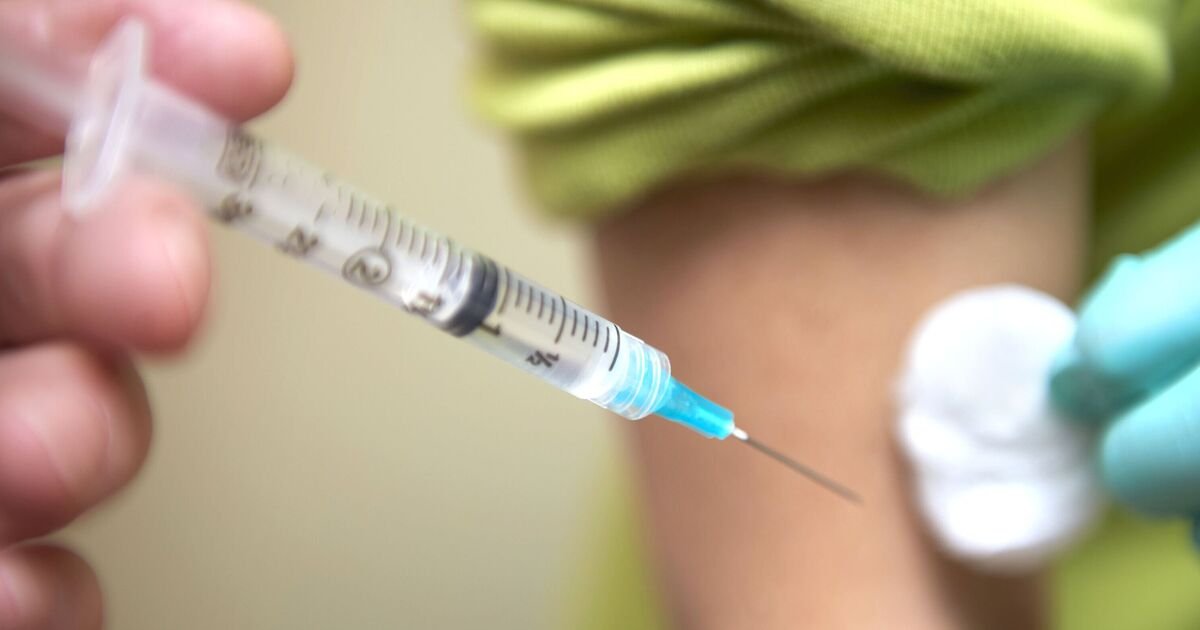
The NHS has streamlined the process to make it easy for those in the eligible age bracket to get protected. If you turned 65 on or after September 1, 2023, you are part of the latest cohort eligible for the vaccine. The program consists of two doses, spaced between six and 12 months apart. This two-dose approach provides a robust shield, significantly lowering the likelihood of contracting the infection and, crucially, reducing the severity of symptoms if you were to come down with it later on. If you fall into the 70 to 79 age group, you are also fully eligible for this protection.
Taking Charge of Your Appointments
The best way to handle this is to wait for your GP surgery to reach out. Most practices will send a letter, a text message, or an email when you reach the age of eligibility. However, we all know that paperwork can sometimes get lost in the shuffle or digital messages can land in the junk folder. If you know you fall into the 65 to 80 age range and haven’t heard anything, do not hesitate to pick up the phone. A quick call to your local surgery is all it takes to confirm your status and get an appointment on the books. It is a simple administrative task that pays off in long-term peace of mind.
Managing Post-Vaccine Recovery
It is natural to be curious about how you might feel after receiving the vaccine. Most people report that any side effects are mild and clear up within a few days. You might notice a little tenderness or itching at the spot where the injection was given. Some individuals experience a slight headache, a feeling of fatigue, or mild body aches. These are simply signs that your immune system is waking up and learning how to defend itself. Staying hydrated, getting a little extra rest, and keeping your schedule light for a day or two following the appointment is usually all the care you need.
Why Proactive Health Matters
Life in our sixties, seventies, and beyond is meant to be enjoyed, whether that means traveling, spending time with family, or mastering new hobbies. Staying current with preventative care isn’t just about avoiding a rash; it is about protecting your independence and your comfort. By keeping your vaccinations up to date, you are ensuring that your body is as resilient as possible. Remember, even if you have had shingles before, it is still worth getting vaccinated. It is never too late to take a small step that safeguards your future comfort and keeps you focused on what really matters. If you are in that 65 to 80 window, check your records or call your GP today—it is one of the smartest items you can tick off your to-do list this year.
Disclaimer: This content is auto-generated for informational purposes only.
Source: Read Original News