









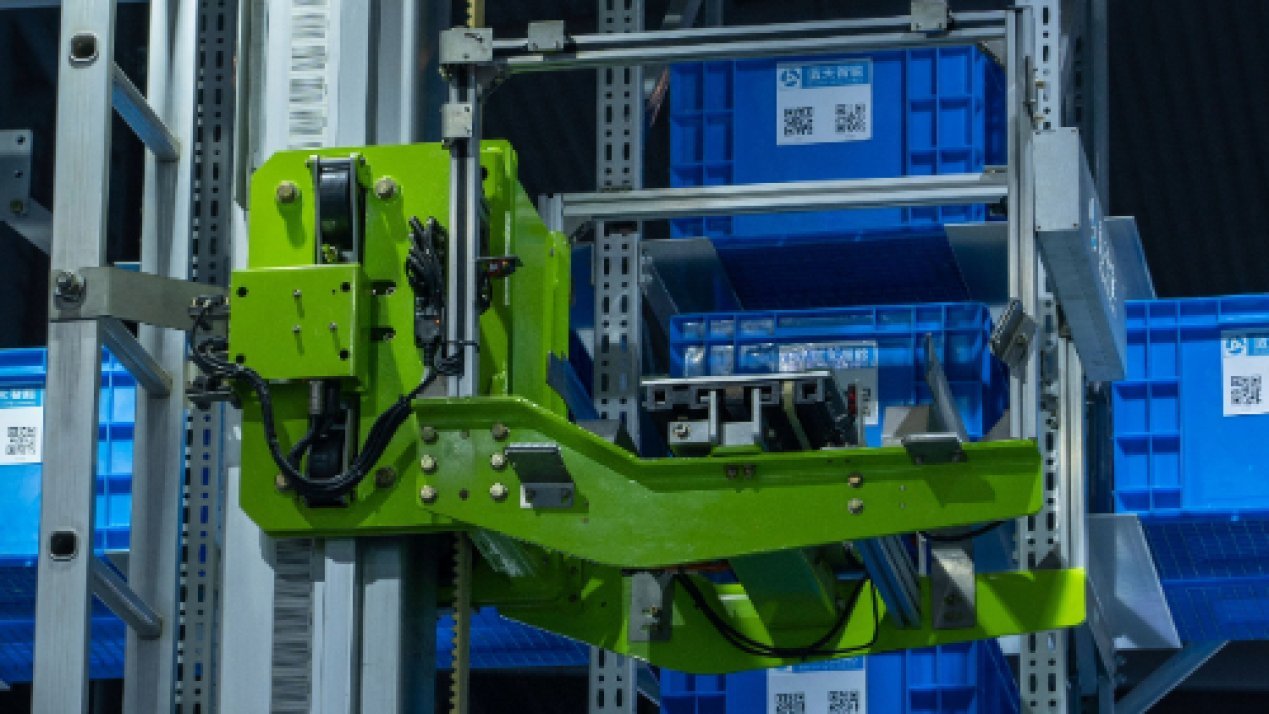
Warehouse automation is rapidly shifting from a luxury to a necessity as modern logistics operations grapple with the dual pressures of rising consumer demand and the need for greater operational precision. Moving beyond simple mechanization, the industry is entering an era of “smart warehousing,” where digital systems and physical hardware work in tandem to streamline the movement of goods from receiving to final dispatch.
### The Shift Toward Intelligent Logistics
The transition from manual labor to automated environments is defined by a comprehensive integration of technology. While legacy warehouses relied heavily on human intervention for inventory tracking and product retrieval, modern facilities are deploying a sophisticated stack of tools. These include Automated Storage and Retrieval Systems (AS/RS), autonomous mobile robots (AMRs), and advanced Warehouse Management Systems (WMS).
This shift is not merely about replacing human movement with robotics; it is about data-driven coordination. Digital systems now synchronize software instructions with physical equipment, ensuring that stock levels, storage locations, and operational tasks are updated in real-time. By digitizing the entire flow, companies can drastically reduce the error rates associated with manual data entry and human-led picking, ultimately creating a more reliable supply chain that meets today’s tightening delivery deadlines.
### The Strategic Role of AI and Data Analytics
At the heart of this transformation is the integration of Artificial Intelligence and advanced data analytics. AI is no longer a peripheral technology; it is becoming the brain of the smart warehouse. Modern logistics platforms now leverage AI to perform sophisticated tasks such as demand forecasting, predictive maintenance for automated hardware, and dynamic optimization of storage space.
Emerging trends like “digital twins”—virtual replicas of physical warehouse environments—allow logistics managers to test workflows, layout changes, and process improvements in a risk-free digital sandbox before applying them to the physical floor. Furthermore, the rise of modular automation enables firms to scale their technological infrastructure incrementally. This modularity is a game-changer, allowing businesses to integrate AI-driven sensors and connectivity tools without needing to overhaul their entire facility at once. However, this increased connectivity brings new responsibilities, requiring firms to place a high priority on cybersecurity and standardized safety protocols to protect both data and human workers operating alongside robotic systems.
### Navigating Implementation Challenges in Mexico and Beyond
For markets like Mexico, where the modernization of distribution centers is a key competitive advantage, the challenge lies in balancing high-tech ambition with practical, financial, and organizational realities. Automation is a significant investment, and success is not guaranteed by the sheer volume of robots deployed. Instead, it requires a strategic, phased approach.
Industry experts emphasize that companies must begin with an operational assessment to identify bottlenecks before investing in expensive hardware. Effective transformation often starts with basic process standardization and the implementation of a robust WMS, followed by a gradual shift toward robotics and AI-based decision-making.
Crucially, the success of these initiatives rests on the workforce. As operations become more automated, the nature of human labor is shifting from manual execution to system supervision, data analysis, and equipment troubleshooting. Developing this human talent is just as important as installing the machinery. When companies view automation as a holistic strategy—combining infrastructure, talent development, and smart digital systems—they achieve more than just speed; they build an adaptable logistics backbone capable of weathering the complexities of the modern global market. By focusing on sustainable metrics like order-accuracy, reduced picking times, and on-time delivery percentages, firms can ensure that their technological investments deliver genuine, long-term competitive advantages.
Disclaimer: This content is auto-generated for informational purposes only.
Source: Read Original News