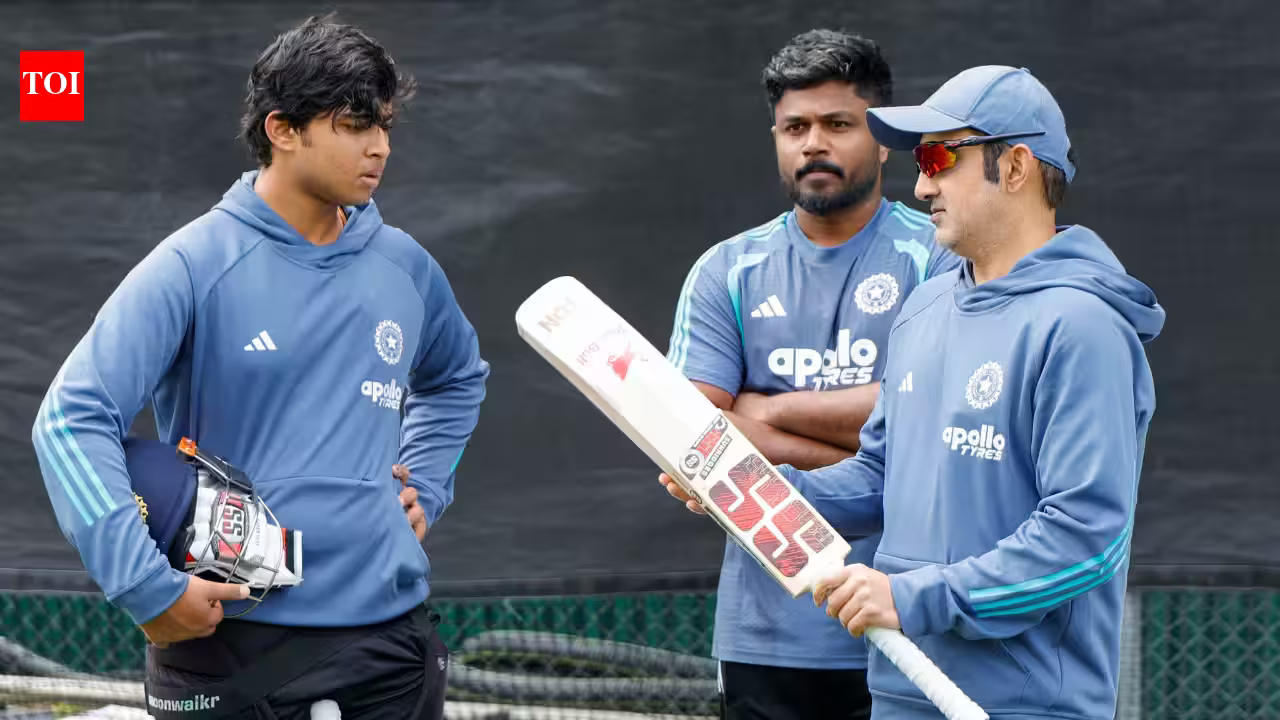








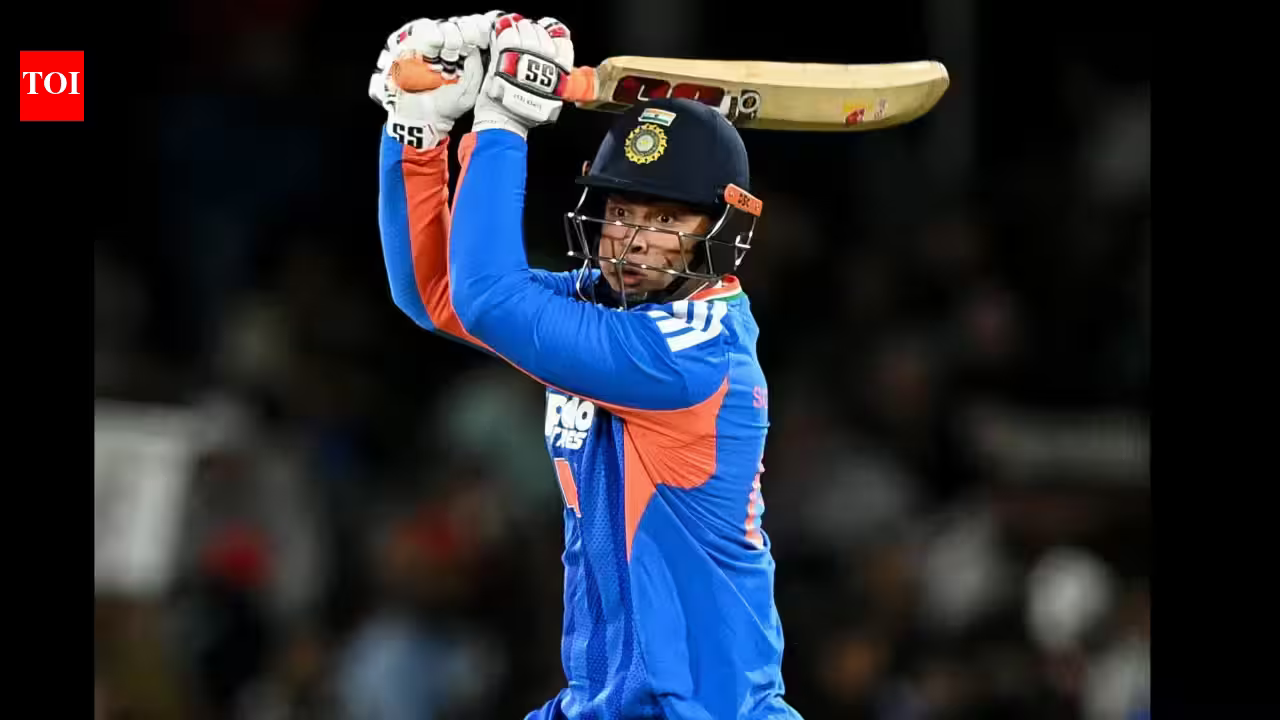
Wellington is bracing for a series-defining clash this Tuesday, but as the Indian cricket team looks to secure a dominant 3-0 sweep against New Zealand, the focus has shifted from the pitch to the tactical board. With a 2-0 lead already in the bag, the Men in Blue are in a position of luxury, yet former India batter Subramaniam Badrinath has injected a dose of controversy into the pre-match build-up, suggesting that the team management should rethink their current personnel strategy—specifically regarding the inclusion of young prodigy Vaibhav Sooryavanshi.
Sooryavanshi, drafted into the playing XI for the second T20I to cover for the injured Ishan Kishan, faced a baptism of fire at the No. 3 position. The youngster managed just four runs off eight deliveries, a performance that highlighted the difficulty of batting in a role that hasn’t historically been his specialty. While his inclusion provided India with extended batting depth reaching down to No. 8, Badrinath believes the team’s current tactical balance is slightly off-kilter.
The Case for Strategic Bowling Reinforcement
Speaking on his YouTube channel, Cric it with Badri, the former India cricketer argued that India’s lower order has shown enough proficiency with the bat to render the extra specialist batter redundant. Instead, he believes the team would be better served by bolstering their bowling attack with the inclusion of mystery spinner Varun Chakaravarthy.
“Instead of playing Sooryavanshi at No. 3, India can play Varun Chakaravarthy in the 11,” Badrinath stated emphatically. “The players down the order are doing well now. So, why not go for a bowler like Varun? New Zealand’s scores of 220 and 180 could have been 200 and 160 in the first two games.”
Chakaravarthy, who has been sidelined since suffering an abdominal side strain during last month’s series against Afghanistan, remains a potent weapon. His ability to stifle scoring rates in the middle overs could prove vital, especially as India looks to curtail the aggressive tendencies of the Black Caps’ batting lineup. Badrinath’s assessment implies that while the batting depth is a “nice-to-have,” the ability to keep the opposition’s total under control is the true key to winning in varied conditions like those expected in Wellington.
Protecting the Synergy at the Top
Beyond the inclusion of Chakaravarthy, Badrinath raised a significant point regarding the stability of the opening pair. There has been ongoing chatter about shifting Sanju Samson out of his preferred opening role to facilitate space for Sooryavanshi, who has primarily flourished as an opener in his budding career. Badrinath, however, is firmly against disrupting the current rhythm.
“It’s unfair to Sanju Samson if he has to sacrifice his opening spot for Sooryavanshi,” Badrinath argued. “Yes, Sooryavanshi has thrived only as an opener, but Samson is doing brilliantly as an opener. Though Samson has done well for the Rajasthan Royals at No. 3, I think Sooryavanshi needs to wait. The position is more important than the player. I definitely will not disrupt Sanju Samson.”
Samson has been in scintillating form, and the chemistry between him and Abhishek Sharma has provided India with explosive starts in the series. By moving Samson, the management risks breaking the momentum that has placed India firmly in the driver’s seat. Badrinath’s comments serve as a cautionary tale: talent is vital, but established roles and current form must take precedence during a high-stakes series.
Heading into the Wellington Wind
As India prepares to play in Wellington, the environment will offer its own set of challenges. Known for its gusty winds and unique dimensions, the venue requires bowlers who can adapt their length and batters who are comfortable playing with the breeze. Having won 18 of their 21 T20I encounters against New Zealand this decade—a tally that includes a statement victory in the World Cup final last March—India enters the match with supreme confidence.
However, the team management is not resting on their laurels. Bowling coach Morne Morkel has been vocal about the areas that still require refinement. While the bowling has been effective, there remains a need for sharper execution, particularly when facing aggressive spin hitting. The transition from the batting-friendly tracks seen earlier in the series to the conditions at Wellington will test whether the current bowling unit needs the extra support of a specialist like Chakaravarthy.
The Verdict: Development vs. Dominance
The debate boils down to a classic sports dilemma: do you prioritize the immediate goal of a series sweep by playing your strongest defensive configuration, or do you prioritize the long-term development of a high-ceiling prospect like Sooryavanshi?
For now, the team management must balance the voices of critics like Badrinath with the long-term vision for the squad. If they decide to stick with Sooryavanshi, it will be a show of faith in the youngster’s potential to adapt to the middle order. If they turn to Chakaravarthy, it signals a ruthless approach to closing out the series by squeezing the opposition’s scoring potential.
Whatever the decision on Tuesday, the Indian camp remains focused on one objective: finishing the job in Wellington. A victory would not only seal a clean sweep but would also serve as a ringing endorsement of their tactical flexibility in what has been a dominant tour of New Zealand. All eyes will be on the team sheet when it is revealed at the toss—the final chapter of this series is set to be written by the men chosen to navigate the Wellington wind.
Disclaimer: This content is auto-generated for informational purposes only.
Source: Read Original News