






Strategic Shift in Development Priorities
The gaming industry often presents a tension between rigid release schedules and the necessity of high-quality software engineering. Cygnus Cross, the independent studio behind the highly anticipated hybrid title Emberville, recently demonstrated this prioritization by announcing a significant delay to its Early Access launch. Originally slated for release on the cusp of completion, the title has been pushed to January 7, 2027. This decision, announced just twenty-four hours before the planned rollout, highlights the complex nature of balancing player feedback with long-term technical debt and systemic architecture.
Early Access models are intended to function as a collaborative development environment. However, Cygnus Cross noted that the feedback gathered from participants in the Steam Next Fest demo created a clear directive for the team: the foundational systems required significant refinement. Rather than releasing a build that met only minimum viable requirements, the studio elected to pause the launch to integrate deeper technical overhauls that were initially relegated to the post-launch roadmap.
The Complexity of Combat Mechanics
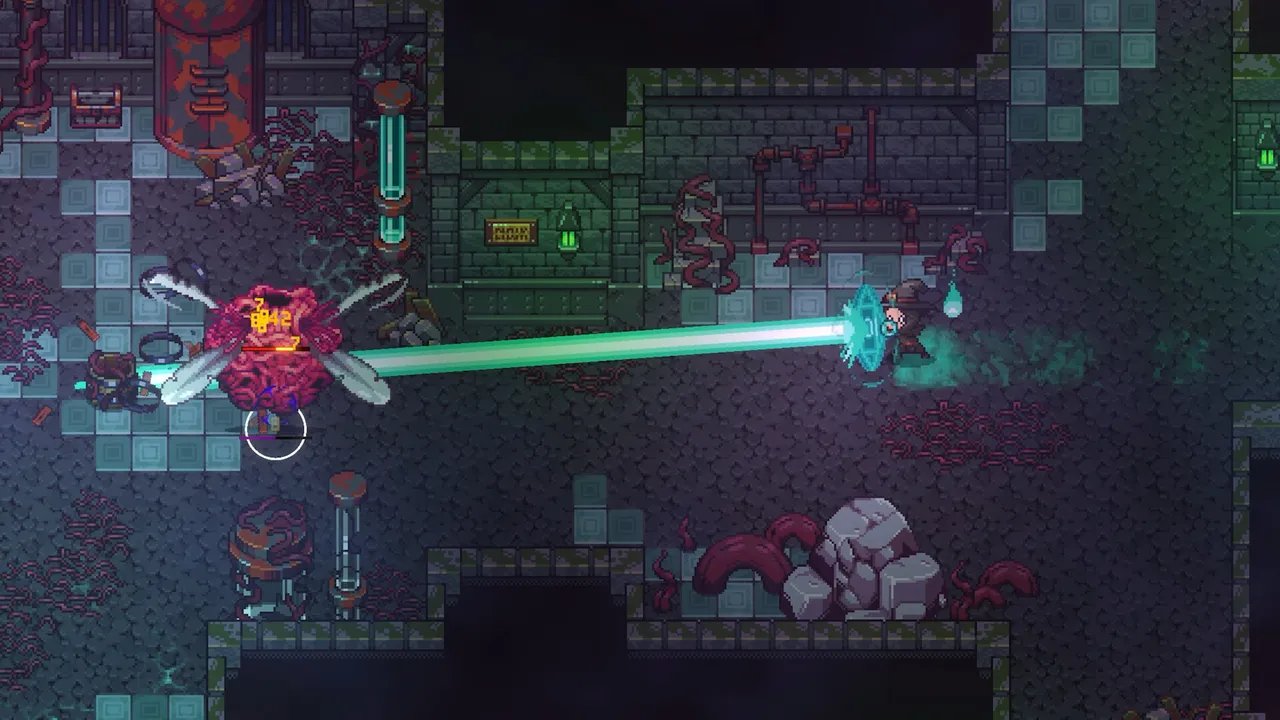
A primary driver for this delay is the complete reconstruction of the game’s combat systems, specifically the mechanics governing ranged bow attacks. In many action-oriented titles, projectile trajectory, hitbox registration, and animation canceling are handled by highly specific state machines. If these systems are built with constraints that prevent player agency or feel unresponsive, they cannot be corrected through simple numerical tweaks or balance patches.
By choosing to rework these systems before the initial public rollout, Cygnus Cross is addressing potential technical debt that would have hampered the gameplay loop. The team indicated that the current iteration of bow combat lacked the depth and precision required for the intensity of the game’s combat encounters, which frequently draw comparisons to the fast-paced, loot-driven action of the Diablo franchise. This architectural change requires time-consuming adjustments to the underlying input registration and collision detection engines, tasks that are incompatible with a rapid release cycle.
Merging Roadmap Milestones
To compensate for the postponement, Cygnus Cross has announced that it will bundle the content originally scheduled for the first major post-launch update into the January 7 release build. This integration strategy changes the scope of the Early Access debut, providing users with a more robust feature set than initially promised. By merging these development pipelines, the studio is attempting to provide a higher density of content to justify the wait.
This shift signifies a transition from a staged rollout model to a comprehensive, feature-complete initial delivery. For the end-user, this means that the Early Access version will include advanced biomes, expanded itemization, and more diverse creature archetypes that were previously slated for a mid-2027 expansion. From a project management perspective, this approach requires rigorous testing of integrated systems to ensure that the influx of new assets does not introduce regression errors into the existing code base.
Technical Standards and Early Access Integrity
The decision to delay underscores a growing trend among independent developers to protect their technical reputation by refusing to ship substandard code. In the context of Early Access, where software is often inherently unstable or unfinished, the goal is not to achieve perfection but to ensure that the core mechanics are functional and entertaining. Cygnus Cross’s public statement emphasizes that their internal metrics for quality control were not being met, even if a release were technically possible.
Early Access, while a powerful tool for iterative improvement, poses a risk if the first impression is marred by core system failures. A poorly functioning combat engine would likely drive away the player base before the studio had a chance to implement their planned improvements. By acknowledging these shortcomings early, the studio is managing community expectations while simultaneously protecting the long-term viability of their product.
Long-Term Collaboration and Future Development
Looking toward the January 7, 2027 launch, the developers have reiterated their commitment to a community-driven development cycle. The studio plans to utilize the extended time to refine their feedback loop infrastructure, allowing for more precise telemetry collection once the game is live. This data-driven approach is essential for maintaining a title that bridges two distinct genres: the relaxed, resource-management focus of agricultural simulation and the high-stakes, combat-heavy exploration of dungeon crawlers.
The success of Emberville will likely depend on the stability of these merged systems. By focusing on fundamental mechanics rather than superficial content, Cygnus Cross is positioning itself to provide a more durable and scalable gameplay experience. As the industry continues to scrutinize the efficacy of Early Access launches, the move by Cygnus Cross serves as a technical case study in the necessity of prioritizing core engine integrity over artificial release deadlines. Investors and players alike will be watching to see if this additional development time results in a more cohesive and technically sound product come January.
Disclaimer: This content is auto-generated for informational purposes only.
Source: Read Original News