







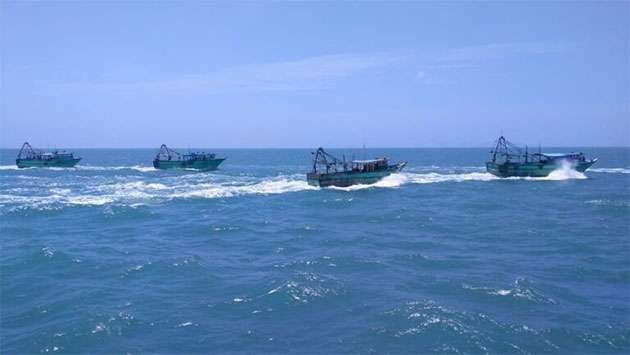
In a significant humanitarian gesture amidst deteriorating maritime conditions, Indian authorities have granted safe harbor to 25 Sri Lankan fishing vessels. The boats, which were navigating the volatile waters between the two nations, were forced to seek refuge as severe weather patterns threatened the safety of the crews and the integrity of the fleet.
The decision to allow the vessels into Indian waters comes following a period of heightened tension in the region, often characterized by disputes over maritime boundaries and illegal fishing allegations. However, in this instance, regional maritime officials prioritized the safety of life at sea over jurisdictional friction. Sources indicate that the boats were granted emergency docking rights at a designated port, providing the Sri Lankan fishermen a critical window of reprieve from the turbulent sea conditions.
Regional maritime coordination centers worked in tandem to facilitate the entry of the fleet. The Sri Lankan crew members are currently receiving necessary assistance, including access to supplies and stable mooring, as they await the passing of the inclement weather. Local authorities confirmed that the vessels would remain in safe harbor until the meteorological department gives the “all clear” for a safe return journey across the Palk Strait.
This development has been cautiously welcomed by maritime observers as a positive sign of cross-border cooperation. Historically, the Palk Strait has been a hotspot for naval run-ins, with frequent detentions of fishermen from both countries. By allowing the 25 vessels to take shelter, India has demonstrated a commitment to the international maritime principle of rendering assistance to mariners in distress, regardless of their nationality or the complex political backdrop of the territorial waters.
“The safety of the fishermen is our primary concern,” a maritime official stated, emphasizing that the protocol for ‘safe harbor’ is a standard humanitarian practice designed to prevent tragedy during adverse weather. While diplomatic relations between New Delhi and Colombo have often faced challenges regarding fishing rights, this incident is being viewed by many as a potential blueprint for how both nations might manage future emergencies without escalating bilateral tensions.
As the weather remains a lingering threat, the crews remain under the watch of port authorities. Indian coast guard units are maintaining a presence in the vicinity, ensuring that the vessels remain secure while preventing any unauthorized activity. Once the weather system stabilizes, the fleet is expected to be escorted back toward the maritime boundary line to continue their transit home.
For now, the focus remains firmly on the humanitarian operation. The move serves as a stark reminder of the unpredictable nature of the sea and the necessity of keeping lines of communication open between neighboring maritime agencies to ensure that no vessel is left stranded in the face of natural disaster.
Disclaimer: This content is auto-generated for informational purposes only.
Source: Read Original News