








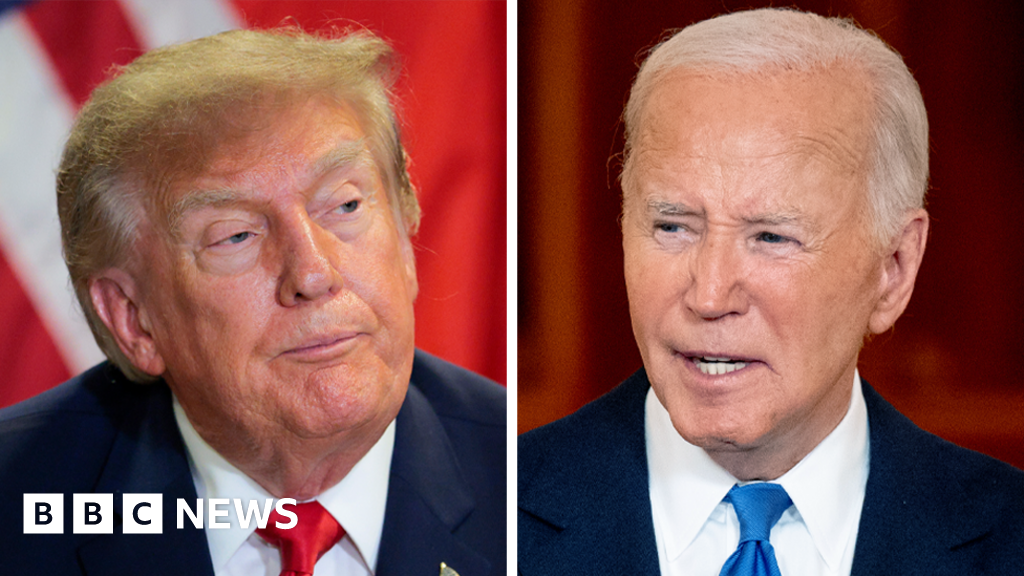
As the United States hurtles toward a pivotal midterm election cycle, the digital landscape has become the primary theater for political discourse. Much like President Joe Biden, former President Donald Trump finds himself grappling with a challenge that transcends traditional campaign messaging: the persistent influence and algorithmic curation of Big Tech platforms. This intersection of high-stakes politics and the evolving tech industry highlights a growing tension between silicon-valley innovation and the democratic process.
## The Algorithmic Echo Chamber
At the heart of the current election cycle lies the influence of recommendation engines, a cornerstone of Google’s Search and YouTube ecosystems. Both political figures are navigating a digital environment where AI-driven content prioritization dictates what information reaches the average voter. For candidates, the primary concern is no longer just earned media or television advertising, but rather how AI-managed platforms categorize, promote, or suppress their messaging.
Google has frequently been at the center of these debates. Through updates to its search algorithms and the implementation of sophisticated AI, the company continually adjusts how it presents sensitive information. While Google maintains that these updates are designed to prioritize “authoritative” and “helpful” content, political campaigns often argue that these technical adjustments can inadvertently dampen voter engagement or alter the visibility of critical political developments. For Trump and Biden alike, the “black box” nature of these algorithms creates an unpredictable hurdle in their efforts to mobilize their respective bases.
## AI and the Future of Political Accountability
The integration of generative AI into Google’s products, such as the rollout of AI-powered “Search Generative Experience” (SGE), is fundamentally changing the user experience for voters looking for election information. Instead of browsing through lists of news articles, users are increasingly turning to AI-summarized snapshots to understand candidate platforms and controversy.
This shift presents a dual-edged sword. On one hand, it allows for more efficient information retrieval; on the other, it removes the nuance of journalistic reporting. For candidates, this means their decades-long records are being distilled into brief, AI-authored summaries that may lack necessary context. Tech industry analysts point out that as these models become more prominent, the responsibility on developers to ensure political neutrality—or at least objective representation—becomes an monumental challenge. Both the Trump and Biden camps are essentially fighting to influence the “training data” and the resulting outputs that these AI models generate.
## Tech Policy as a Campaign Issue
Beyond the algorithmic impact, the tech industry itself has become a central campaign pillar. The Biden administration’s push for increased antitrust scrutiny and stricter regulation of AI development remains a point of contention for Silicon Valley. Simultaneously, Trump has frequently criticized these same companies for alleged bias, promising a shift in how federal agencies oversee major tech conglomerates.
As the midterms approach, Google’s role is shifting from a mere neutral platform to a de-facto arbiter of political information. The company’s continuous updates—ranging from changes in ad-targeting policies to the strict enforcement of misinformation standards—are being scrutinized by campaign strategists who view every software patch as a potential political shift.
Ultimately, the battle for the midterm vote is no longer restricted to town halls and physical rallies. It is happening in the data centers and the lines of code that dictate what information is surfaced by AI. As voters turn to Google to research candidates, they are participating in a digital experiment where the line between impartial technology and political influence continues to blur. Whether these platforms can maintain the trust of an increasingly polarized electorate remains the most significant tech policy question of the year.
Disclaimer: This content is auto-generated for informational purposes only.
Source: Read Original News