








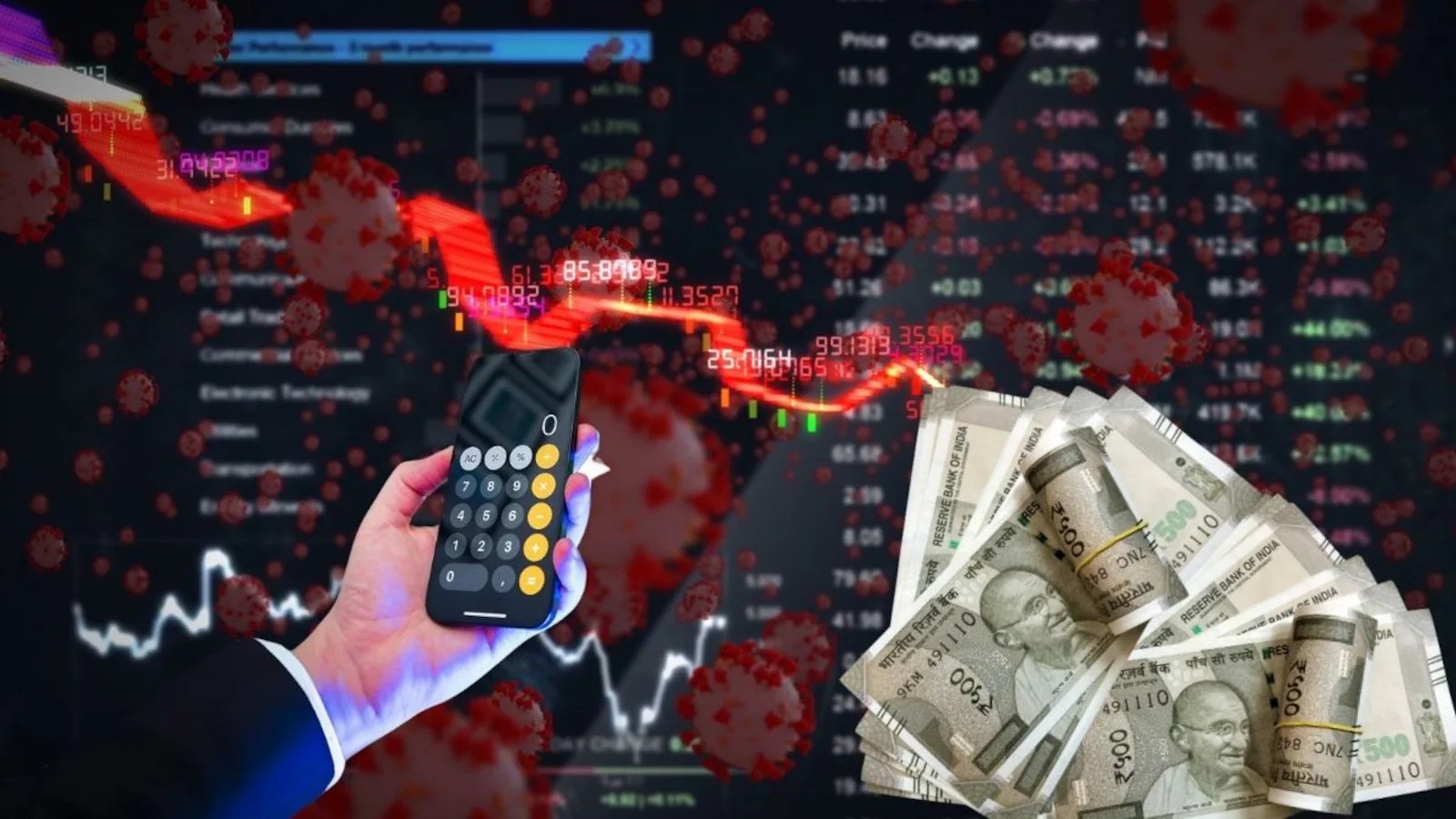
Dalal Street is currently enduring a historic downturn, with Indian equity markets grappling with a massive sell-off that has eroded nearly Rs 30 lakh crore in market capitalization. As the Nifty 50 marks a 14% decline year-to-date, analysts are drawing grim comparisons to the 2008 global financial crisis. This period of volatility has not only stunned domestic retail investors but has also triggered a significant reassessment of India’s position as a preferred global investment destination.
## The Exodus of Foreign Capital and Regulatory Hurdles
A primary driver behind this instability is the sustained departure of foreign institutional investors (FIIs), who have pulled approximately $32 billion out of the Indian economy this year alone. Between October 1 and 15, FIIs liquidated nearly Rs 48,000 crore in assets, signaling a lack of confidence that stems from both macroeconomic uncertainty and recent fiscal policy changes.
Industry experts, including Giottus.com CEO Vikram Subburaj, highlight that the 2024 Union Budget’s decision to hike capital gains taxes has rendered Indian equities less attractive. The increase in the long-term capital gains tax from 10% to 12.5% and the short-term levy to 20% have directly impacted the net take-home returns for international funds. Beyond taxation, the volatility of the Indian Rupee against the US dollar adds a layer of currency risk that complicates the investment landscape. Furthermore, ambiguity regarding tax liabilities during fund restructuring remains a significant pain point, leading some investors to opt for more predictable markets elsewhere.
## Breadth of the Sell-off: Blue Chips to Small Caps
The financial contagion has spread well beyond the large-cap stocks. While blue-chip heavyweights like ITC, HDFC Bank, and Maruti Suzuki have faced steep declines—dropping between 30% and 36%—the damage is even more severe in the mid-cap and small-cap segments.
The Nifty Midcap 100 has suffered an 8% drop this year, with the vast majority of that loss occurring in just the last few trading sessions. Small-cap stocks have been hit hardest, with firms like KEC International and Inox Wind plummeting by more than 50%. The lack of market breadth is particularly concerning; during the most recent week, only six stocks across the Nifty Midcap and Smallcap 100 indices managed to finish in the green. This suggests that the selling pressure is broad-based, leaving few corners of the market safe from the current downward trend.
## Tech Sector Resilience and the AI Pivot
Amid the gloom on the trading floors, the broader technology landscape continues to evolve, offering a slight contrast to the stock market’s financial woes. While the Indian market experiences a correction, the global tech industry is recalibrating toward artificial intelligence and data-driven infrastructure.
For Indian professionals, this shift is providing a necessary buffer. Despite rising layoffs across major tech firms, there is a marked increase in demand for niche skills in data analytics and AI integration. Platforms like Google are actively fueling this transformation through specialized training bootcamps and advanced cloud certifications that enable developers to remain competitive despite economic headwinds.
As investors wait for the markets to find a floor, the tech sector is betting that AI-led productivity gains will eventually underpin the next cycle of growth. However, until fiscal policy clarifies and foreign capital stabilizes, the immediate outlook for Dalal Street remains cautious. The government faces a growing call to address not just the headline tax rates, but the practical, administrative burdens that currently prevent international capital from flowing back into one of the world’s fastest-growing economies.
Disclaimer: This content is auto-generated for informational purposes only.
Source: Read Original News