






India Rejects “Second-Class” Status in UN Security Council Reform Proposals
UNITED NATIONS – India has delivered a sharp critique of ongoing proposals to restructure the United Nations Security Council (UNSC), arguing that any reform creating a new category of permanent members without veto power would effectively relegate those nations to a “second-class” status.
As the global community continues to debate the long-overdue expansion of the UN’s most powerful body, India’s stance has brought the issue of institutional equality to the forefront. New Delhi has maintained that if the veto mechanism is to remain a feature of the Security Council, it must be applied equitably across all permanent members, rather than preserving a hierarchy that keeps decision-making power concentrated in the hands of the current “P5” nations.
The Problem with “Half-Measures”
The current composition of the Security Council includes five permanent members—China, France, Russia, the United Kingdom, and the United States—all of whom wield the power to unilaterally block resolutions. While many member states agree that the Council, designed in the post-WWII era, no longer reflects the realities of the 21st century, the path toward expansion remains contentious.
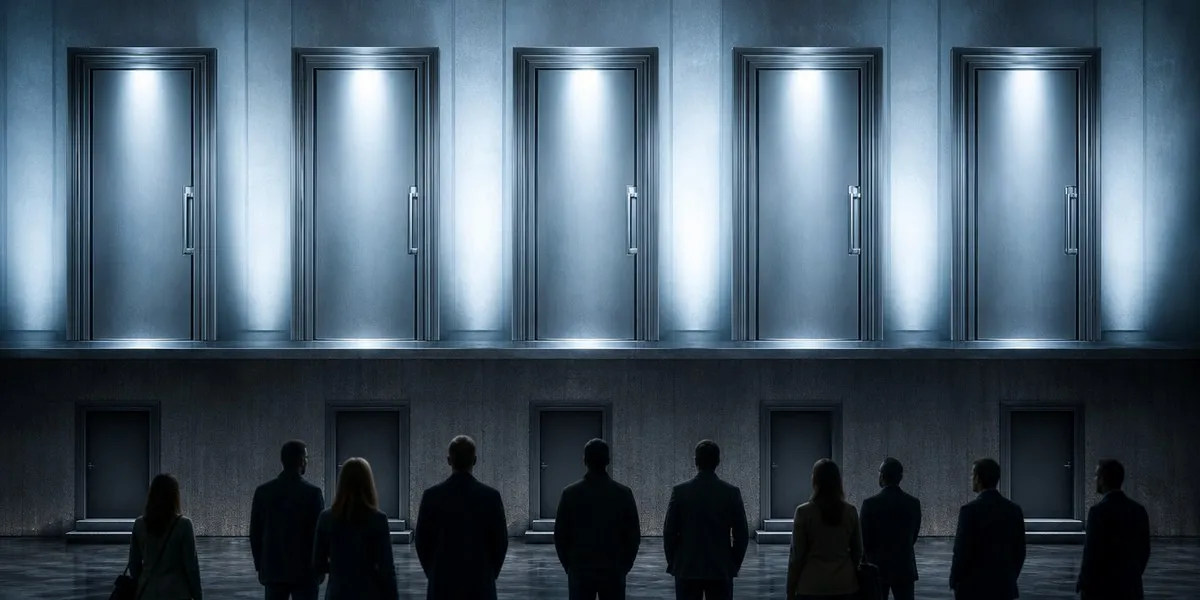
Some proposed reform models suggest adding new permanent seats that would not carry the veto prerogative. Indian diplomats, however, have dismissed these suggestions as an exercise in maintaining the existing power imbalance. According to India’s position, such a tiered structure would fail to address the core issue of democratic representation. Instead, it would create a two-tier system where original members retain absolute control while new entrants are granted only the illusion of parity.
“Fairness and equality require that if we are to speak of permanent representation in a reformed council, then the rights, privileges, and responsibilities associated with that status must be identical for all,” a representative for the Indian mission stated.
Striving for Genuine Equality
India has long been a leading voice in the G4 nations—a bloc that includes Japan, Germany, and Brazil—advocating for a seat at the permanent table. New Delhi argues that the UNSC cannot effectively address modern global threats, from geopolitical conflicts to climate change, if it remains tethered to a rigid, mid-20th-century structure that excludes the voices of the Global South and the world’s most populous nations.
For India, the debate is not merely about gaining a seat, but about ensuring the legitimacy and efficacy of the United Nations. By demanding that any new permanent member be afforded the same veto powers as the existing five, India is emphasizing that international governance must be built on the principle of equal sovereignty. Anything less, the Indian delegation suggests, would perpetuate an obsolete status quo that undermines the UN’s credibility.
Looking Ahead
As deliberations at the UN General Assembly continue, India’s firm stance serves as a reminder of the deep-seated resistance to “cosmetic” reforms. The international community faces a difficult choice: either move toward a truly reformed Council that balances the interests of the current powers with the realities of modern global dynamics, or continue to operate a body whose structure becomes increasingly disconnected from the world it is meant to lead.
For now, the divide over the veto mechanism remains one of the largest hurdles in the UNSC reform process, with India positioned as a primary advocate for a more equitable, inclusive, and representative international order.
Disclaimer: This content is auto-generated for informational purposes only.
Source: Read Original News