








Tensions Mount: India-China Border Standoffs Persist in Arunachal Pradesh
The security situation along India’s Himalayan frontier remains precarious as the Indo-Tibetan Border Police (ITBP) confirmed ongoing military face-offs with the Chinese People’s Liberation Army in Arunachal Pradesh. The disclosure, made by ITBP Director General Shatrujeet Kapur, suggests that despite high-level diplomatic efforts to thaw bilateral relations, the reality on the ground in the northeast remains volatile.
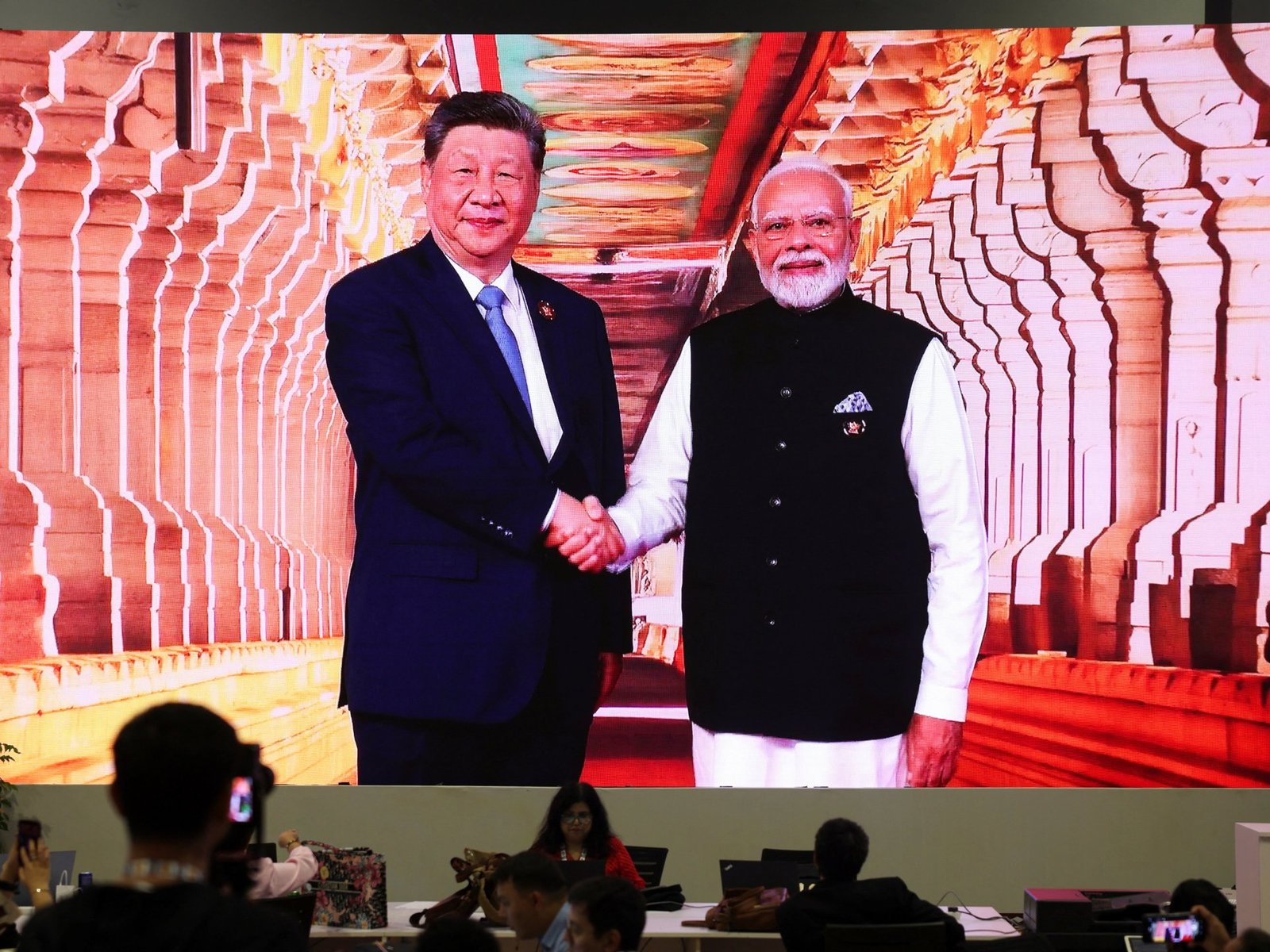
These reports of continued friction arrive just weeks after a diplomatic visit by Chinese President Xi Jinping to New Delhi for the BRICS summit. While the meeting between President Xi and Prime Minister Narendra Modi was framed as a step toward stabilizing a relationship strained by geopolitical pressures and regional rivalries, the persistent incursions underscore a deep-seated fragility in the status quo.
A Legacy of Dispute
The current tensions in the Upper Subansiri region are part of a historical conflict dating back to the colonial-era McMahon Line. India recognizes this boundary as the legitimate border, a stance inherited from the Simla Convention of 1914. Conversely, Beijing views the boundary as illegitimate and asserts sovereignty over the entirety of Arunachal Pradesh, which it refers to as “South Tibet.”
This ideological impasse has kept the 3,488-km frontier in a perpetual state of uncertainty. In the absence of a mutually agreed-upon Line of Actual Control (LAC), both nations frequently find their patrols in direct opposition. Analysts note that these encounters have shifted from occasional skirmishes to a tactical pressure campaign by Beijing, forcing Indian forces to remain on high alert while navigating an undemarcated and treacherous landscape.
Political Pressure on New Delhi
The situation presents a significant hurdle for Prime Minister Modi, whose political brand is anchored in a doctrine of national security and strength. Since the 2020 Galwan Valley clash in Ladakh—which resulted in the loss of 20 Indian soldiers—the government has faced intense scrutiny regarding its transparency and the efficacy of its border management.
Opposition figures and local civil society groups in Arunachal Pradesh have become increasingly vocal, reporting that Chinese forces have moved deep into areas traditionally patrolled by Indian troops. “You can see the Chinese Army. They are on top of the mountains, while we are down below,” noted Bosiram Siram, a prominent regional political leader, highlighting the strategic disadvantage currently faced by Indian frontier guards.
While the Indian Ministry of External Affairs has acknowledged that the border situation occasionally suffers from “divergent patrolling patterns,” it has stopped short of providing a detailed assessment of the encroachments. This perceived silence has sparked domestic criticism, with observers questioning how the administration can reconcile its “hard security” image with reports of losing ground in remote border sectors.
The Limits of Diplomacy
Despite numerous rounds of the Working Mechanism for Consultation and Coordination (WMCC) and military-to-military talks, a permanent resolution remains elusive. Academic experts suggest that while these communication channels successfully prevent localized standoffs from escalating into full-scale conflict, they are insufficient to resolve the foundational territorial disagreements.
As ITBP chief Shatrujeet Kapur prepares for retirement, he has emphasized the need for specialized training and advanced military capabilities to counter China’s evolving tactical footprint. The ongoing face-offs demonstrate that without high-level political directives to finalize border demarcations, the frontier will remain a theater of perpetual instability, leaving troops in the field to manage a complex game of brinkmanship with limited room for error.
Disclaimer: This content is auto-generated for informational purposes only.
Source: Read Original News