





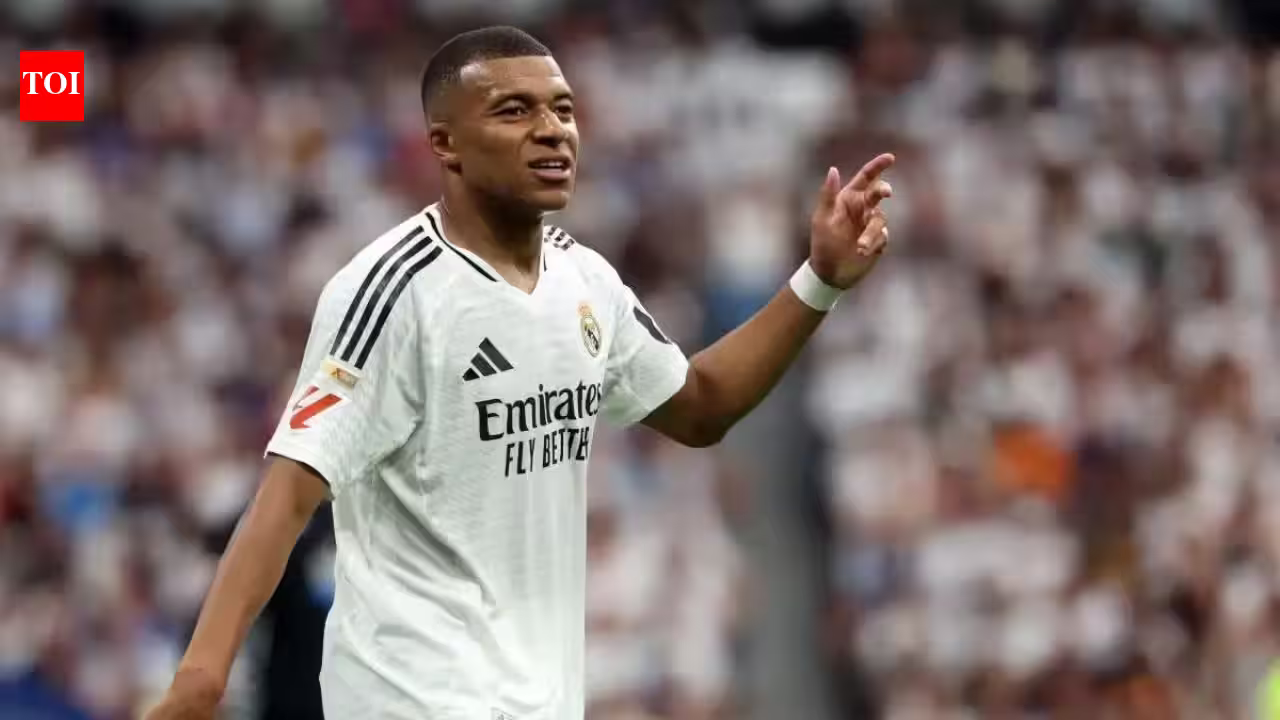
PARIS — French football icon Kylian Mbappé finds himself at the center of a burgeoning diplomatic and commercial firestorm this week, as a series of comments regarding a controversial internet meme have led to the mass cancellation of his lucrative sponsorship deals across China.
The controversy erupted following the star’s appearance on the popular French online talk show The Bridge. During a segment where Mbappé was asked to discuss his favorite internet memes, he made an offhand remark regarding a viral image that superimposed his own likeness onto the body of Mao Zedong. Describing the meme, Mbappé referred to the figure as “a Chinese dictator.” While such memes are often used in European football circles as a hyperbolic take on the striker’s commanding presence on the pitch, the cultural implications of the reference proved devastatingly misaligned with the historical sensitivities of the Chinese public.
A Swift Corporate Retaliation
The fallout was immediate and severe. By Tuesday, three major Chinese conglomerates—beverage giant Dongpeng, dairy producer Mengniu, and cheese manufacturer Milkground—unilaterally announced the termination of their partnership agreements with the French captain.
The companies, which had previously leveraged Mbappé’s global star power to reach millions of consumers, issued unified statements emphasizing their commitment to national values. Each brand made it clear that they would not tolerate “any words and actions that hurt national sentiment.” The move signals a major financial blow to Mbappé’s off-pitch portfolio and highlights the precarious nature of navigating the Chinese market, where corporate interests are deeply intertwined with patriotic public discourse.
The trend continued across digital platforms as well. RedNote, a prominent social media platform, confirmed that its content partnership with the footballer had concluded as of December 31, 2024. The platform stated it would purge all promotional material featuring the striker and has implemented technical restrictions to prevent his account from acquiring new followers, effectively freezing his digital footprint within the country.
Cultural Sensitivity and Historical Context
At the heart of the outrage is the figure of Mao Zedong, the founder of the People’s Republic of China. While his legacy remains a subject of complex historical debate—encompassing both the formation of modern China and the catastrophic human toll of policies like the Great Leap Forward—he is widely regarded as a founding father and a sensitive national icon.
For many in China, joking about the nation’s leadership through the lens of a “dictator” meme is not perceived as harmless internet humor but as an affront to national history. The viral nature of the clip on X (formerly Twitter) acted as a catalyst, igniting a wave of indignation that migrated rapidly to Weibo, China’s primary social media battleground. Hashtags demanding boycotts and calling for the total removal of Mbappé’s influence dominated the trending charts for several days.
Mbappé’s Formal Apology
Recognizing the gravity of the backlash, Mbappé issued a formal statement on Tuesday, seeking to quell the rising tide of anger.
“My comment was ill-judged, and I now understand that it hurt many people in China and in Chinese communities around the world,” the statement read. “I apologize to everyone my words have upset. This was absolutely not my intention. I have deep respect for the Chinese people and their history, and I am sincerely sorry.”
Despite the conciliatory tone of the apology, the response from the Chinese establishment remained stern. Foreign Ministry spokesperson Guo Jiakun addressed the matter directly, underscoring the severity with which the government views such rhetoric. “Words and actions that hurt the feelings of the Chinese people will naturally be met with joint opposition from all sectors of Chinese society,” Guo noted, suggesting that the public and corporate reaction was a natural outcome of the insult.
The Road Ahead for the Global Superstar
This incident serves as a stark reminder of the global influence of football stars and the risks that accompany such visibility. In an era where a throwaway line on a talk show can be clipped, translated, and disseminated globally in seconds, athletes are increasingly finding that their words carry the weight of state-level politics.
As the hashtags urging Mbappé to stay away from China continue to circulate, his management team will likely face the daunting task of repairing his brand’s image in one of the world’s most vital consumer markets. Whether this apology is enough to stem the tide remains to be seen, but for now, the incident serves as a cautionary tale for any athlete operating on a global stage: when it comes to international relations and cultural heritage, the line between banter and betrayal is thinner than ever.
As of Wednesday, there has been no further word from Mbappé’s camp regarding potential legal recourse or future outreach, but the footballing world remains braced for the long-term commercial repercussions of what was undoubtedly the most costly interview of the striker’s career.
Disclaimer: This content is auto-generated for informational purposes only.
Source: Read Original News