








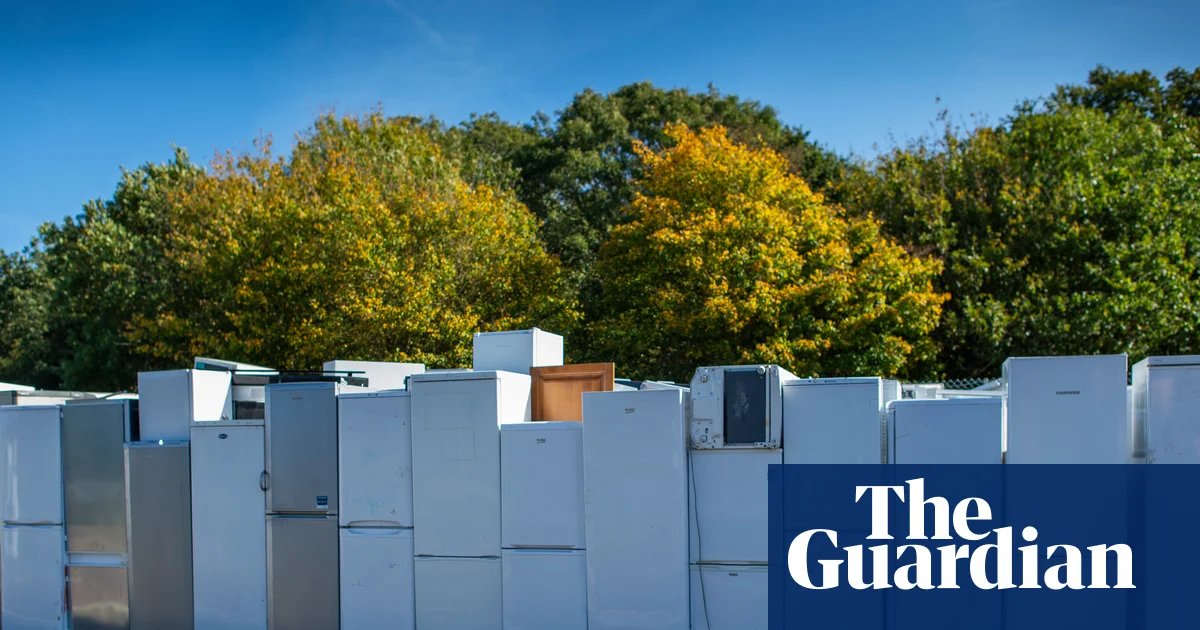
The visual of a “fridge mountain” – vast, towering stockpiles of discarded white goods – has become a grim symbol of the UK’s mounting waste crisis. While public discourse often focuses on the inefficiency of recycling infrastructure, a growing chorus of experts and consumers is pointing to a more systemic failure: our appliances are literally melting under the pressure of a changing climate.
As UK summers grow increasingly volatile, with temperatures frequently shattering previous records, the limits of domestic cooling technology are being tested. Many standard fridge-freezers currently sold in the UK are built to “Normal” (N) climate class specifications, designed to function optimally only in ambient temperatures up to 32°C. Even “Subtropical” (ST) rated units are often pushed to their breaking point when indoor temperatures climb toward 38°C during severe heatwaves.
When these ambient limits are breached, the mechanical toll is significant. Internal cooling systems are forced to run continuously to compensate, leading to compressor burnout, the spoilage of food, and ultimately, the premature disposal of the unit. Consequently, the climate crisis is creating a self-perpetuating loop: rising temperatures break our fridges, and the resulting mass disposal of those appliances—often involving the release of potent greenhouse gases like HFCs—further contributes to global warming.
Addressing this issue requires a fundamental shift in regulatory standards. Industry analysts argue that the UK must mandate higher, more resilient climate ratings, such as “Tropical” (T) or “SN-T” classes, for all new domestic appliances. Requiring manufacturers to build machines that can withstand the “new normal” of British summers would significantly extend the operational life of household hardware and stem the flow of waste to landfills.
However, heat-stress is only one part of a larger culture of disposability. Even when an appliance is mechanically sound, it is often discarded due to minor structural failures. As many consumers have discovered, replacing a simple, perished door seal is often impossible, as manufacturers frequently discontinue parts or design units to be non-serviceable. This “planned obsolescence by design” forces perfectly functional machines into the recycling queue for the sake of a ten-pound rubber component.
The path toward a circular economy for white goods remains complex, but several strategies have been proposed to curb the mounting waste. One suggestion involves a “polluter pays” levy applied to the sale of all new fridges. The revenue generated would be ring-fenced for local authorities, providing the necessary funding to commission high-standard, environmentally safe recycling processes that ensure hazardous refrigerants are captured rather than leaked.
Simultaneously, the role of consumer behavior cannot be overlooked. For households choosing to upgrade functional, working appliances rather than repairing them, the rise of circular economy platforms offers a lifeline. Apps such as Olio and Freecycle, alongside local community networks, have become essential in extending the lifecycle of white goods. By facilitating the transfer of used appliances to those in need, these platforms prevent thousands of units from reaching the scrap heap prematurely.
For the UK to effectively dismantle its “fridge mountains,” a tripartite approach is required: stricter manufacturing standards that account for the reality of rising temperatures, a legislative push to ensure repairability, and a robust economic model that holds producers and consumers accountable for the full lifecycle of their products. Without these changes, the mountain of discarded steel and plastic will only continue to climb, serving as a permanent monument to our inability to adapt our consumption to a changing world.
Disclaimer: This content is auto-generated for informational purposes only.
Source: Read Original News