








Mexico’s quest to solidify its position as a global manufacturing powerhouse is hitting a high-voltage bottleneck. While the country remains a prime destination for firms looking to relocate supply chains, the availability of reliable, large-scale electricity has evolved from a routine utility requirement into a critical strategic factor that is now actively dictating the success or failure of industrial investment projects.
The Looming Energy Deficit
The sheer scale of the challenge is reflected in projections from the Mexican Institute for Competitiveness (IMCO). Research indicates that by 2030, the national demand for electricity is expected to climb by 13.4% relative to 2024 levels. If the current trajectory of infrastructure development remains stagnant, the country faces a daunting generation shortfall of more than 48,000 gigawatt-hours by the end of the decade.
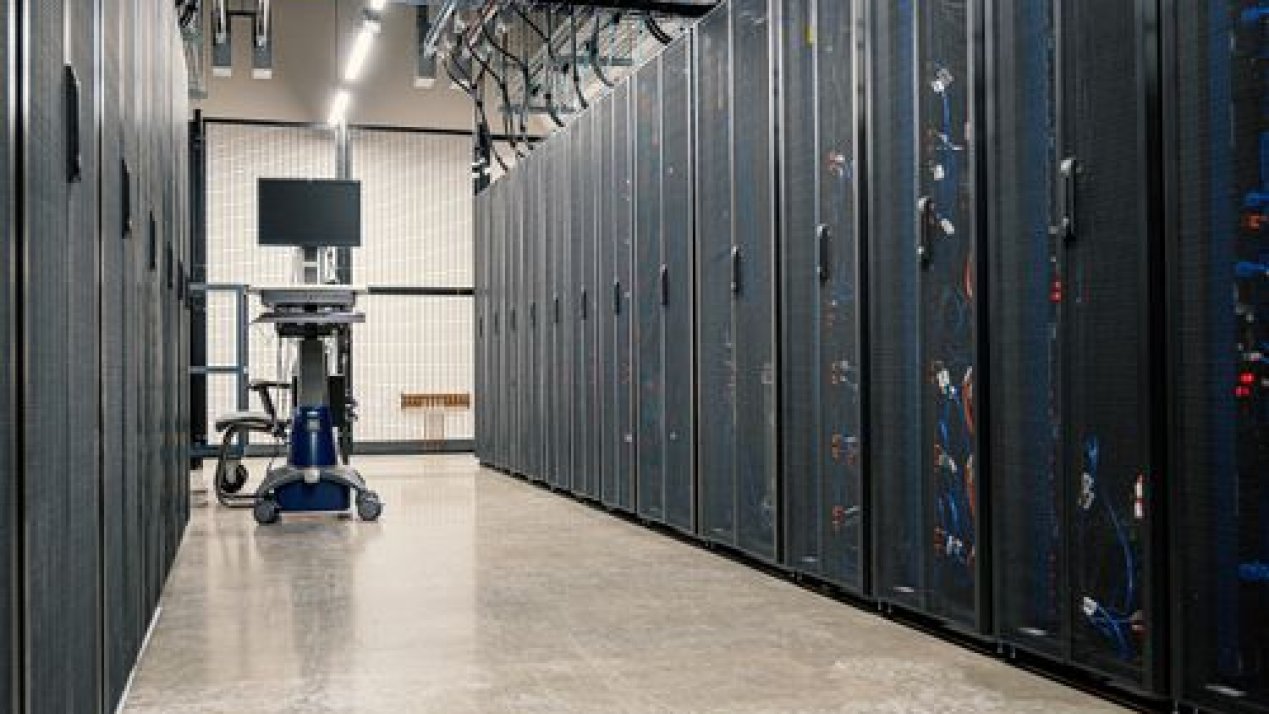
This energy gap is already manifesting in the loss of high-value opportunities. In October 2026, the Business Coordinating Council (CCE) revealed that Mexico had lost two major international projects—specifically centered on semiconductor manufacturing and artificial intelligence (AI)—to competing nations. These tech-heavy industries require stable, massive, and continuous power supplies that the current grid could not guarantee. As AI and advanced computing become the backbone of the global economy, Mexico’s failure to provide adequate power is not just a utility issue; it is a direct obstacle to participating in the most lucrative segments of the modern tech sector.
Infrastructure Strain and the Need for Modernization
The pressure on the grid is accelerating as the industrial real estate sector expands. According to the Mexican Association of Private Industrial Parks (AMPIP), there are 82 industrial parks slated for development between 2026 and 2030. These new hubs will demand an estimated 2,793 additional megawatts of capacity.
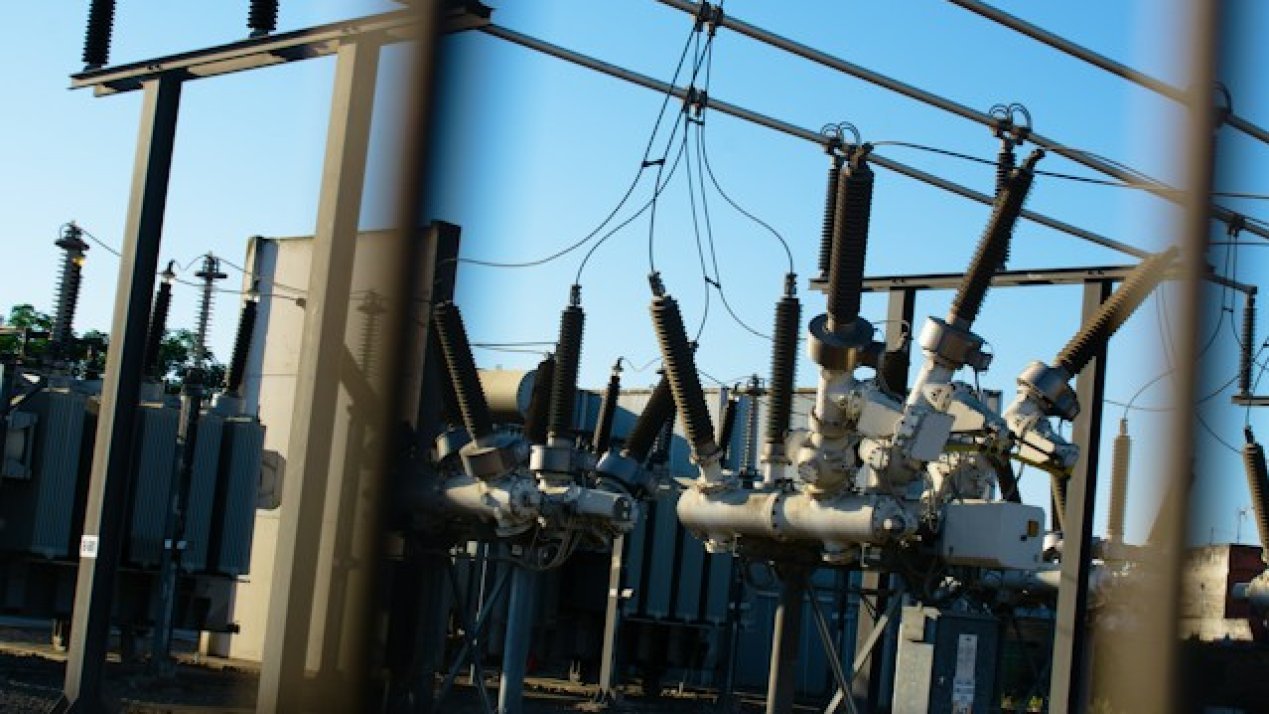
However, experts note that simply building more power plants is an incomplete solution. Modernizing the grid—specifically upgrading transmission lines, distribution networks, and substations—is essential to ensuring that the generated power actually reaches the manufacturing floor. Recent scientific analysis published in the journal Energies highlights the critical need for a more comprehensive approach. The research suggests that hybrid energy models, such as the integration of solar power with natural gas backups, could offer a necessary buffer to stabilize distribution during the rapid industrial transition driven by nearshoring.
A New Framework for Future Competitiveness
For investors, the criteria for selecting a production site have shifted. Tax incentives, logistics connectivity, and land availability no longer guarantee a successful investment if the region lacks a robust electrical backbone. Business leaders are now performing rigorous “energy due diligence” before committing capital, focusing their expansion efforts only on regions with verified, high-capacity infrastructure.
The path forward, according to industry stakeholders like the CCE, requires a combination of regulatory certainty and increased public-private collaboration. To capture the current wave of investment, Mexico must provide a transparent framework that accelerates the permitting process for new energy projects.
Capitalizing on the global shift toward regionalized production chains depends entirely on the country’s ability to turn abstract energy plans into operational, on-the-ground infrastructure. As the competition for AI hardware and high-tech manufacturing intensifies, the availability of electricity has become the ultimate determinant of whether Mexico will become a central node in the global tech ecosystem or remain on the sidelines due to preventable infrastructure limitations. The message to policymakers is clear: in the modern industrial landscape, energy capacity is the new currency of economic competitiveness.
Disclaimer: This content is auto-generated for informational purposes only.
Source: Read Original News