







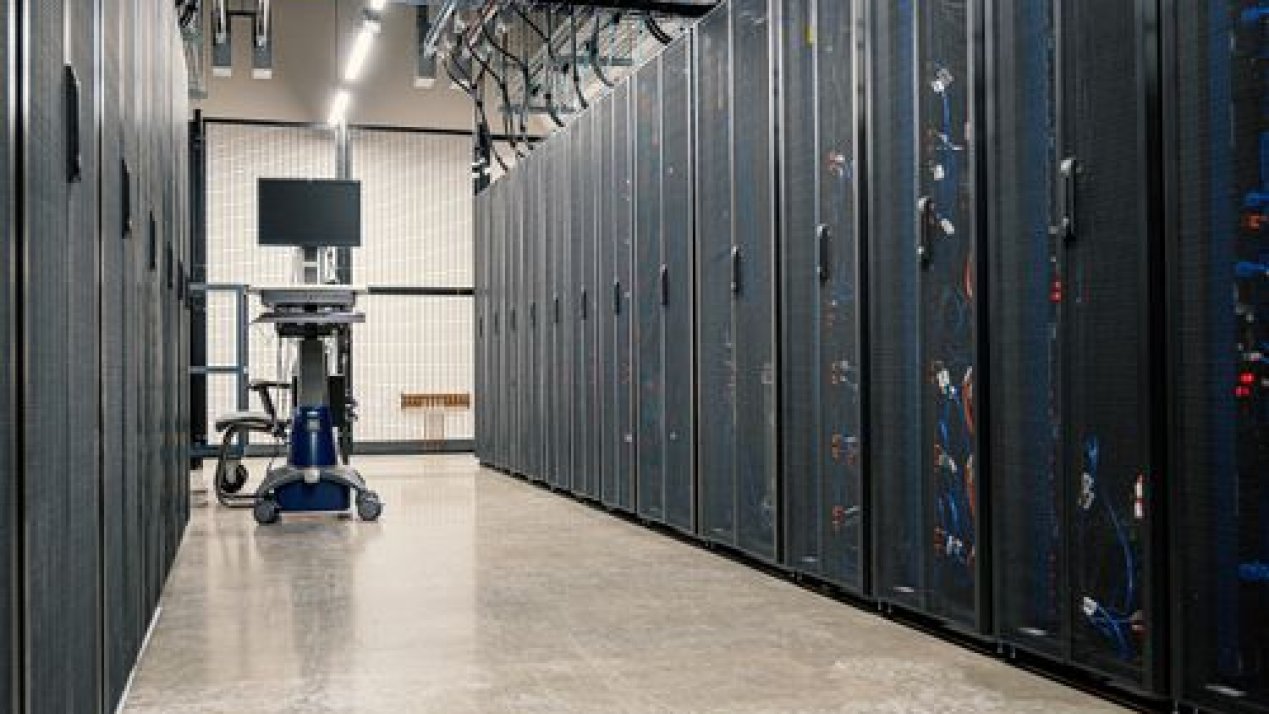
The rapid rise of artificial intelligence is no longer just a story about software breakthroughs; it is fueling a massive transformation in physical infrastructure. As AI models demand unprecedented computational power, the global digital economy is pivoting toward the construction of massive data centers. This paradigm shift is turning cloud service providers, energy operators, and real estate developers into the primary architects of the modern industrial landscape.
## The Energy Paradox: Powering the AI Boom
The International Energy Agency (IEA) has sounded a clear warning regarding the sheer scale of electricity required to sustain this evolution. In 2024, global data centers consumed roughly 415 terawatt-hours of electricity. By 2030, that figure is projected to more than double, potentially exceeding 945 terawatt-hours.
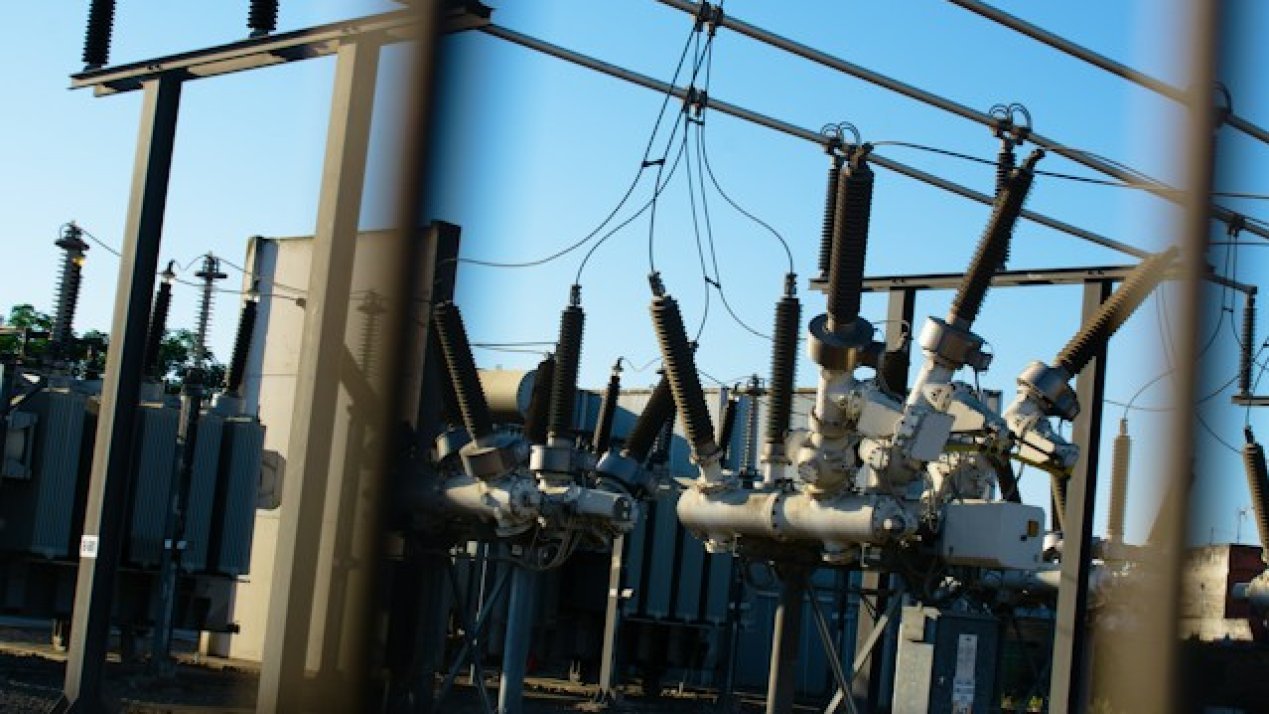
This surge poses a unique challenge: technological innovation is currently outstripping energy infrastructure development. While a new data center can be designed and erected in as little as two to three years, the electrical grid infrastructure needed to support such a facility—including high-voltage substations and expanded transmission lines—often takes significantly longer to complete. This timeline mismatch creates a bottleneck that threatens to stall, rather than enable, the next generation of digital services.
## Mexico’s Strategic Pivot as a Data Hub
Mexico is positioning itself as a vital player in this global race, leveraging its geographic proximity to North American markets to attract significant capital. A prime example is the recent $4.8 billion investment by CloudHQ in Querétaro. This expansive project, spanning 52 hectares, aims to deliver a 900-megawatt complex, highlighting both the scale of ambition and the infrastructure requirements involved.
Currently, Querétaro acts as the heartbeat of Mexico’s digital sector, housing nearly 72% of the country’s operational capacity. However, the concentration of so many high-demand facilities in one region places immense pressure on local grids. To address this, organizations like the Federal Electricity Commission (CFE) and the Mexican Data Center Association (MEXDC) are now working in lockstep to synchronize grid expansion with corporate development timelines, aiming to meet an estimated 1.73 gigawatts of industry demand by 2031.
## Sustainability as the New Competitive Edge
Modern data centers are not merely energy consumers; they are also the testing grounds for advanced sustainability solutions. Given that high-performance computing generates intense heat, cooling has become a primary operational expense. Innovations such as waterless cooling technologies are moving from experimental designs to standard requirements for new, large-scale facilities.
Sustainability is now a foundational business strategy rather than a secondary concern. Investors are increasingly evaluating sites based on the energy efficiency of the local grid, the availability of sustainable cooling resources, and the long-term feasibility of power supply. Companies that can integrate climate-conscious engineering with robust operational continuity are proving to be the most competitive in an increasingly crowded market.
## Beyond the Hardware: A New Economic Ecosystem
The economic ripples of this AI-driven infrastructure boom extend deep into the supply chain. Beyond the massive buildings themselves, there is a rising demand for specialized construction, electrical engineering, sophisticated security systems, and high-speed telecommunications. This shift provides an opportunity for Mexico to upskill its workforce and diversify its industrial base, moving into higher-value roles within the digital economy.
Ultimately, the future of AI rests on a very physical foundation. As nations compete to host the next “AI factory,” the winners will be those who can successfully marry technological ambition with the pragmatic reality of power, water, and connectivity. Success in this field requires more than just capital; it demands a long-term commitment to infrastructure resilience and strategic regional planning.
Disclaimer: This content is auto-generated for informational purposes only.
Source: Read Original News