






Cricket Australia has officially declared a historic financial milestone, announcing a record-breaking revenue of A$601.1 million ($423 million) for the 2025-26 financial year. The staggering figure, revealed during Wednesday’s annual general meeting, underscores the governing body’s commercial dominance, propelled largely by lucrative media rights deals surrounding the men’s home Ashes series against England and high-stakes white-ball contests against India.
Yet, even as the champagne flowed for a record-shattering year—which saw the organization pull in a net surplus of A$81.8 million ($57 million)—a cautionary tale emerged from the pitch. Despite the overall success, the board was forced to address the financial “black hole” created by the brevity of last summer’s cricket, a stark reminder that in the world of Test match cricket, time truly is money.
The Price of Brevity: When Two Days Cost Millions
The most striking revelation from the financial report was the heavy price paid for Test matches that failed to go the distance. While fans were treated to high-octane action, the two Ashes Tests that concluded within a mere two days—at the Melbourne Cricket Ground and Perth—resulted in a collective revenue shortfall of approximately A$20 million.
For Cricket Australia, these rapid finishes represented more than just a lack of prolonged drama; they were a significant leakage of potential gate receipts, catering revenue, and broadcast value. The MCG Test alone, despite drawing a massive crowd of 94,000, saw its fiscal potential truncated when the match wrapped up in less than 48 hours.
Outgoing CA chair Mike Baird addressed the irony with a touch of humor while speaking to his successor, former Australian batting great David Boon. “We’ve had a record Ashes crowd at the MCG, 94,000, only going two days there,” Baird remarked. “Let’s mark it down that five-day Tests are a good thing, Boonie.” The sentiment was clear: while high-intensity cricket is what drives interest, the economic engine of the game relies on the endurance of the five-day format to maximize the return on every ticket sold.
A Season of Commercial and Athletic Triumph
The record-breaking revenue follows a much leaner period, marking a massive turnaround from the previous 2024-25 financial year, which saw a net loss of A$11.3 million. Beyond the boardrooms, the 2025-26 cycle was defined by dominance on the field. The Australian men’s team successfully retained the Ashes in a clinical 4-1 series demolition, while the women’s team continued their dynasty, lifting their seventh ICC T20 World Cup title after a thrilling victory over England at Lord’s.
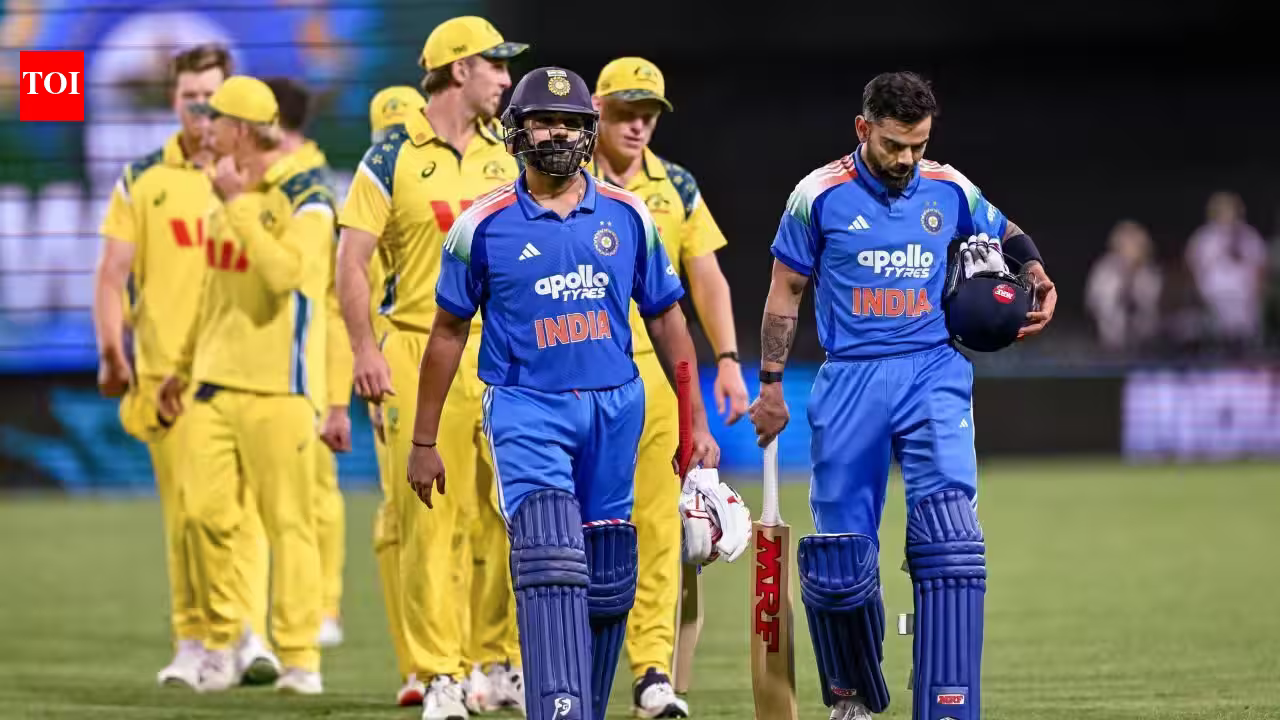
The international calendar proved to be a goldmine. The white-ball series against India provided a massive boost to the organization’s coffers. Australia edged the ODI series 2-1, while India countered in the T20I leg with a 2-1 victory of their own. These matchups, featuring global superstars like Virat Kohli and Rohit Sharma, ensured record-breaking broadcast engagement and helped pull average daily attendance for the summer to an impressive 47,754. With 859,580 spectators passing through the gates over 18 days of Ashes action, the demand for premium cricket remains at an all-time high.
Navigating a Cyclical Financial Future
Despite the current success, Cricket Australia is tempering expectations for the next 24 months. The governing body has forecasted deficits for the 2026-27 and 2027-28 financial years. Officials described this as a “cyclical decline” that is tied directly to the international touring schedule and the natural ebb and flow of media rights cycles.
The financial outlook remains conservative, purposely excluding the potential windfall from the anticipated sale of stakes in various Big Bash League (BBL) franchises. This suggests that while CA is currently enjoying a surplus, they are bracing for a period of strategic belt-tightening. The volatility of cricket finances—where a rain-affected or short-lived Test match can swing the bottom line by millions of dollars—has clearly influenced a cautious approach to the coming seasons.
As the organization moves into a transition period under new leadership, the challenge for David Boon and his team will be twofold: maintaining the high-performance culture that keeps the Australian sides at the pinnacle of the world rankings, while ensuring the financial model remains robust enough to weather the unpredictable nature of the sport.
For now, Cricket Australia can look back on 2025-26 as a landmark year. It proved that when the heavyweights of the game collide, the revenue follows. However, as the A$20 million “two-day test” lesson highlights, the game’s success is as much about the endurance of the contest as it is about the talent on display. Cricket, it seems, is a game of patience—both for the batters in the middle and the accountants in the stands.
Disclaimer: This content is auto-generated for informational purposes only.
Source: Read Original News