







The introduction of player housing in World of Warcraft was anticipated for two decades, serving as one of the most requested features in the history of the long-running MMORPG. Players looked forward to a system that would allow for personal expression and a sense of belonging within the world of Azeroth. However, the initial reception has soured significantly following the discovery of new, premium-priced cosmetic bundles that appear to directly contradict earlier commitments made by Blizzard Entertainment regarding microtransactions within the housing system.
The Controversy of Premium Housing Decor
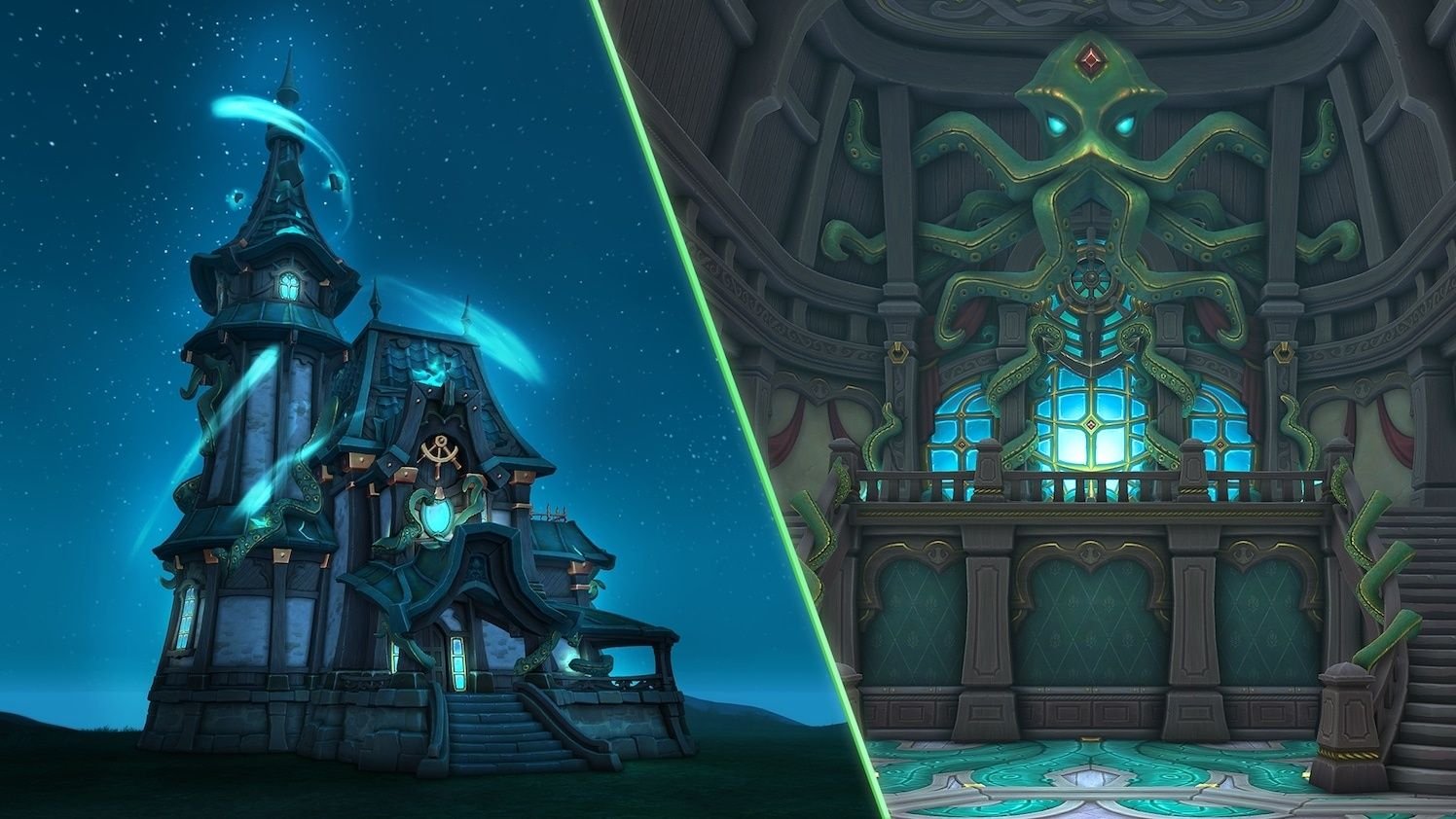
The current friction stems from the release of two new bundles on the Battle.net store: the Haunted Grimtide Estate, priced at $25, and the Grimtide Decor Pack, priced at $10. These sets contain furniture and decorations themed specifically after the Kul Tiran player race, utilizing a distinct pirate and Lovecraftian aesthetic.
The move has triggered a backlash because these items represent a shift in the company’s monetization strategy. Historically, players have accepted cosmetic microtransactions in various forms, but the introduction of race-specific housing assets for real money marks a significant departure from established norms. For many, these bundles signify that the monetization of player creativity is being prioritized over the integrity of the in-game rewards system.
Breaking Formal Commitments
The primary source of player frustration is a formal policy outlined in a November 2025 developer blog post. At that time, Blizzard provided a clear set of principles regarding the future of the housing system, explicitly stating that items tied to the core fantasies of a player’s race or class would not be sold in the digital shop.
The specific text from the announcement noted that decor existing within the lore of Azeroth or items that are thematically essential to player identity would remain outside the scope of paid transactions. By introducing the Kul Tiran-themed sets, Blizzard has effectively signaled a reversal of this policy. Community members and content creators have pointed out that this action invalidates a promise that was intended to establish boundaries between earnable, gameplay-driven rewards and paid store assets.
Systemic Challenges in the Housing Experience
Beyond the pricing controversy, the implementation of the housing system itself has faced criticism for being restrictive and labor-intensive. In many comparable MMORPG titles, housing systems are designed to foster deep personalization. In World of Warcraft, however, players have noted that the current iteration requires a significant time investment—often described as a grind—just to acquire individual decorative pieces.
Because the system mandates that players obtain each component separately, the ability to create a cohesive, personalized space is hampered. Furthermore, the lack of expansive decor options for many of the game’s playable races has made the availability of these specific, paid bundles feel particularly jarring. For players who have been waiting years for a meaningful way to represent their chosen race in their own virtual home, the requirement to pay real-world currency for themed items is viewed by many as an unfair barrier to entry.
Impact on Player Trust and Future Expectations
The current state of the player housing feature is reflective of broader concerns regarding the direction of the latest expansion, Midnight. Players have voiced dissatisfaction with several aspects of the current build, citing issues such as narrative inconsistency, technical instability, and a perceived rush in content delivery.
The monetization of housing decor has acted as a catalyst for these existing frustrations, leading to a decline in goodwill toward the development team. When a highly desired feature—one that serves as a cornerstone for player engagement—is tied to aggressive monetization strategies, it complicates the relationship between the developer and the community.
As the development cycle progresses toward future updates and potential projects such as The Last Titan, there is a clear demand from the community for a shift in strategy. Players are calling for a reduction in the costs associated with these cosmetics and, more importantly, a return to the principles that prioritize in-game achievement over store-based transactions. Whether the developers will adjust their path to regain the trust of the player base remains to be seen, but the current situation serves as a stark reminder of the delicate balance between sustainable monetization and player satisfaction in modern live-service gaming.
Disclaimer: This content is auto-generated for informational purposes only.
Source: Read Original News