








Architectural Shifts in Hinge Technology
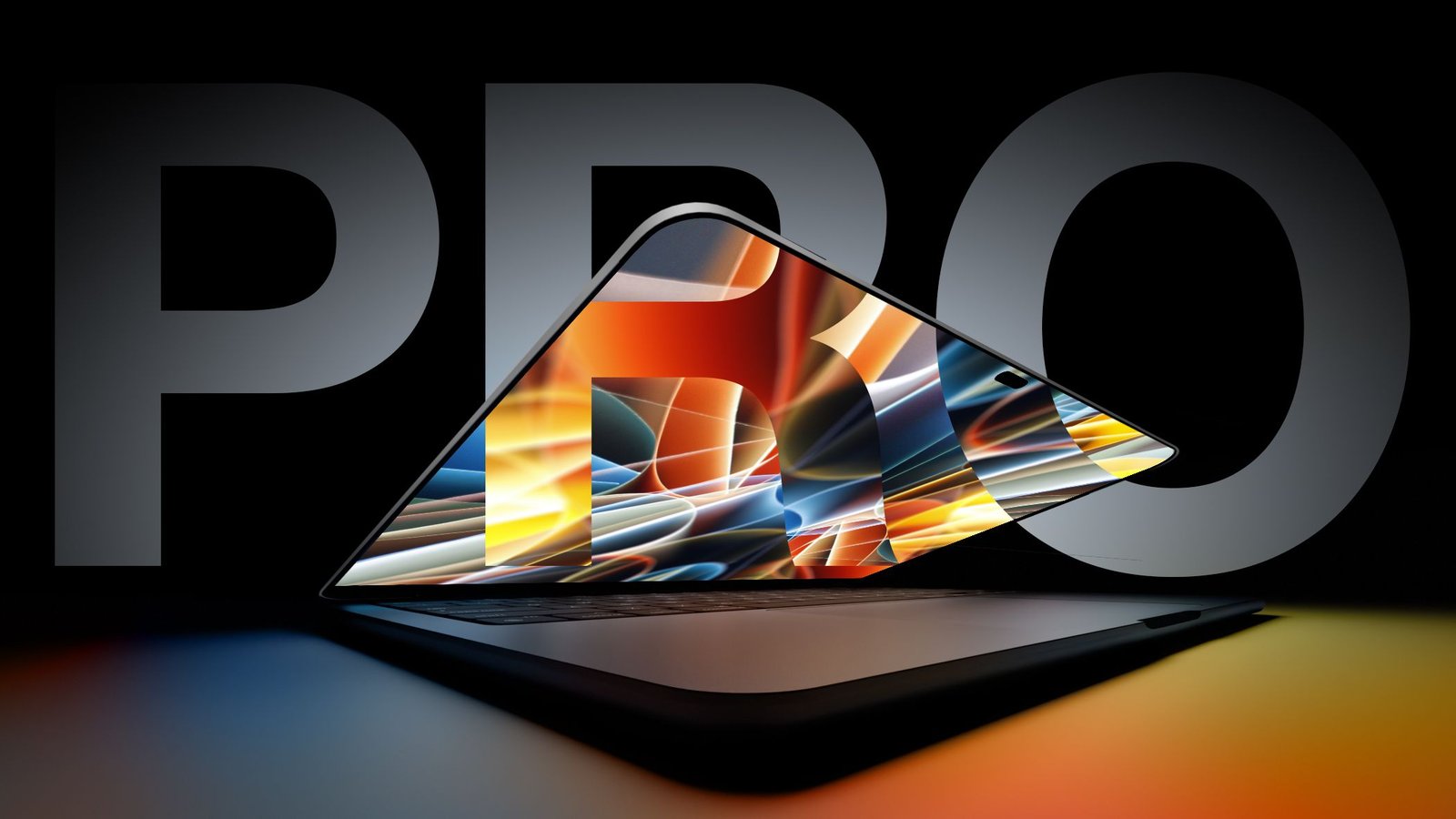
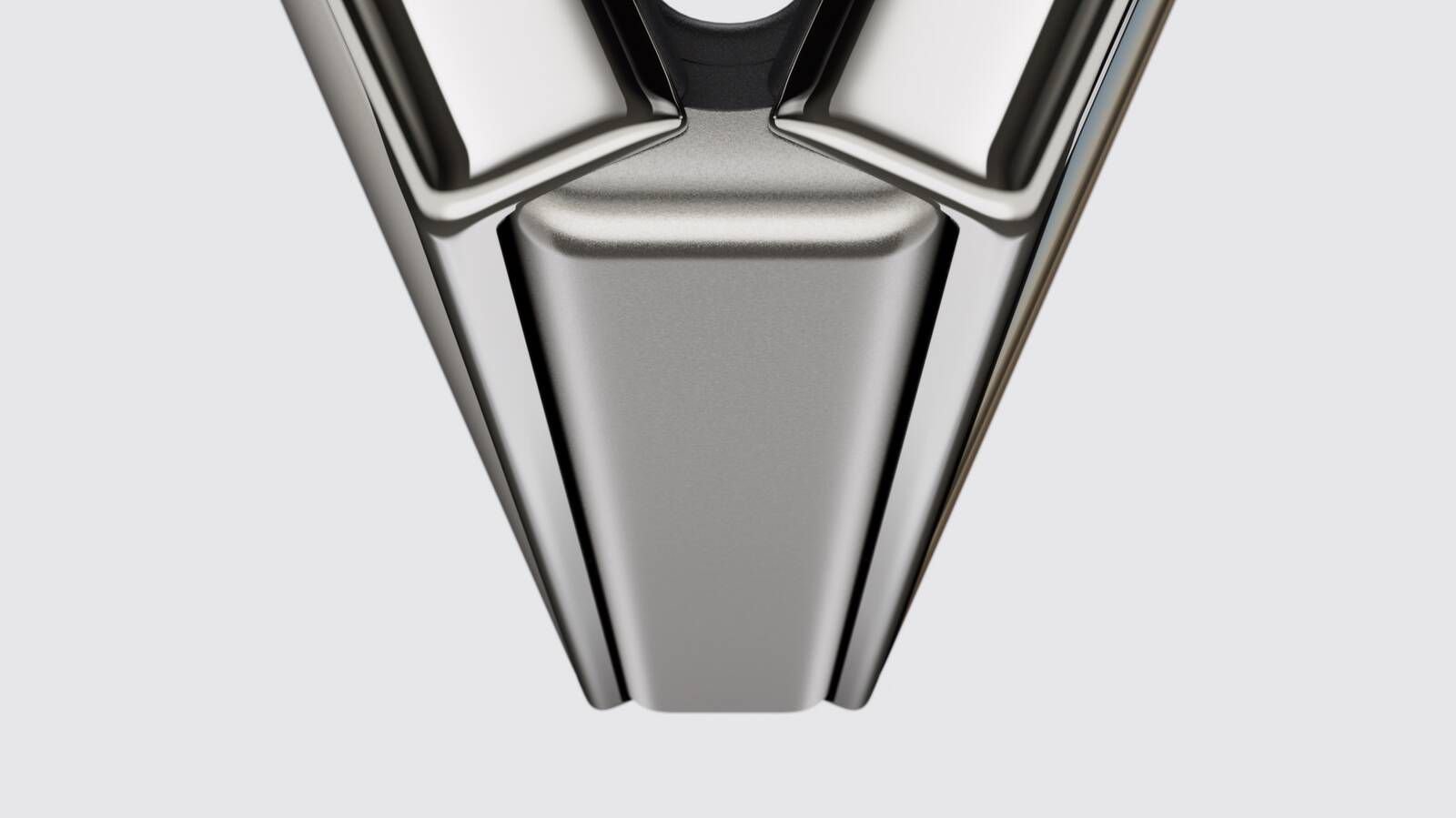
Apple is set to introduce a transformative hardware change to its MacBook Pro lineup, centering on a fundamental redesign of the display hinge. This engineering update is not merely an aesthetic refinement but a critical structural necessity. As the industry anticipates the integration of touchscreen capabilities into the MacBook Pro, the physical stress placed on the display assembly during interaction has necessitated a more rigid and stable foundation.
Reports indicate that the design of this hinge mechanism is intrinsically linked to development efforts for future iterations of the iPhone Duo. By leveraging shared engineering research and development across its mobile and desktop divisions, Apple appears to be standardizing the mechanical requirements for foldable and high-interaction display systems. The objective is to create a hinge that maintains absolute display stability under the force of touch input while managing the thermal output of the high-performance hardware housed within the chassis.
Enhancing Thermal Management and Airflow
Beyond its role as a structural component, the new MacBook Pro hinge serves as a critical junction for cooling. Historically, laptop hinges have occupied space that could otherwise be utilized for heat dissipation. With the introduction of the M5 Pro chipset, which demands substantial power efficiency and effective thermal regulation, Apple has reconfigured the internal architecture to utilize the hinge area for enhanced airflow.
By integrating cooling channels directly through the hinge structure, the company is attempting to prevent thermal throttling, which is a common concern in slim, high-performance computing hardware. This dual-purpose design—acting as both a stabilizer for touch input and a conduit for thermal exhaust—demonstrates an advanced level of mechanical integration. It ensures that the device maintains peak processing power during extended periods of high-load tasks, such as professional video editing or complex software compilation, even when the thermal footprint of the device is under pressure from the internal components.
The Transition to Dual-Layer OLED
A major technical milestone accompanying these mechanical changes is the shift to a dual-layer OLED display. Unlike standard single-layer displays, the dual-layer configuration stacks two OLED layers to achieve significantly higher peak brightness, improved contrast ratios, and extended longevity. This panel technology is essential for the touchscreen interface, as it provides the durability required to withstand frequent physical contact.
The shift to OLED technology also allows for thinner display stacks, providing additional room inside the chassis to accommodate the robust new hinge assembly. For professional users, this upgrade translates to more accurate color reproduction and deeper blacks, which are standard requirements for color-critical workflows. Furthermore, the dual-layer approach mitigates the risk of image burn-in, an issue that has previously hindered the adoption of OLED technology in desktop-class displays intended for long-term use.
Strategic Pricing and Market Positioning
The transition to this advanced hardware comes with a significant increase in the starting price point for the MacBook Pro series. Industry analysts note that the 14-inch model, equipped with the M5 Pro chip, is expected to start at approximately $2,899. This represents a notable premium over the current $2,499 entry point.
This pricing strategy reflects the increased manufacturing costs associated with dual-layer OLED panels, the re-engineered hinge architecture, and the high-performance thermal cooling systems. By positioning these devices as premium tools for professional environments, Apple is targeting users who require the highest level of interaction and computing power available. The decision to maintain the “Pro” branding rather than introducing a new tier, such as a “MacBook Ultra,” suggests that this redesign is intended to become the new baseline for professional performance, effectively setting the standard for future high-end hardware.
Looking Ahead: The Convergence of Mobile and Desktop Hardware
The overlap between the hinge technology used in the MacBook Pro and the iPhone Duo points to a larger strategic direction within Apple’s design philosophy. As the company refines its foldable technology, the engineering challenges solved on the smaller scale of the iPhone Duo are increasingly informing the mechanical stability required for touch-capable laptops.
This convergence allows the company to amortize research costs across multiple product categories, leading to more reliable hardware. As the iPhone Duo continues to evolve—with rumors suggesting even larger inner display dimensions of up to 8.1 inches—the lessons learned from the structural stabilization of the new MacBook Pro will likely find their way back into the mobile product line. This cross-pollination of technology between desktop and mobile platforms remains a core pillar of the company’s ability to iterate on complex hardware designs, ensuring that as users demand more from their devices—whether through touch, mobility, or sheer processing power—the underlying architecture remains robust and capable of supporting those requirements. The upcoming announcement event in Los Angeles is expected to provide further clarity on how these systems integrate into the broader professional ecosystem, cementing the new MacBook Pro as a versatile tool for modern computational needs.
Disclaimer: This content is auto-generated for informational purposes only.
Source: Read Original News