






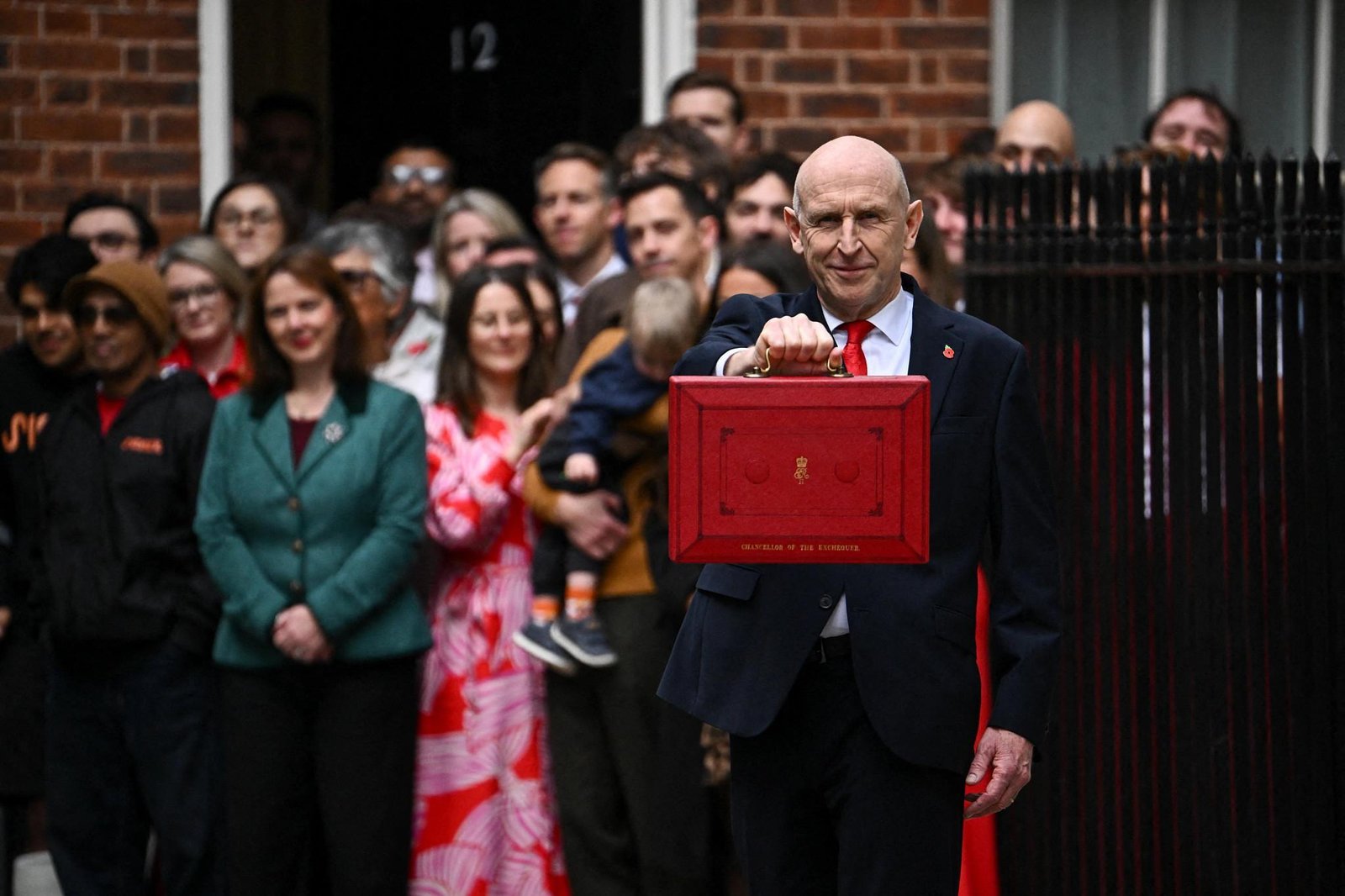
The new Labour government has unveiled its inaugural budget, a fiscal roadmap defined by a delicate balancing act between aggressive debt reduction and immediate relief for a struggling hospitality sector. Chancellor of the Exchequer John Healey, presenting the budget under Prime Minister Andy Burnham, signaled a move toward fiscal austerity with the ambitious goal of returning the nation to the black within three years.
For a sector recovering from years of economic volatility, the budget offers a mix of tax relief and mounting labor challenges, set against a backdrop of increasing regional autonomy.
## Navigating Hospitality Relief and Tax Reform
The headline for the UK hotel industry is the threshold adjustment for business rates, which will climb from £12,000 to £18,000. This modification is expected to provide substantial breathing room for thousands of small operators. According to projections from Atelier Sawyer, this measure could effectively exempt approximately 75,000 properties across England from business rates, benefiting thousands of pubs, restaurants, and cafés.
However, the government is paying for these concessions by targeting sectors perceived as having more robust margins. New levies are being applied to high-stakes gaming machines, which will see taxes rise from 20% to 25%. Furthermore, the banking sector faces an additional 3% surcharge, a time-limited measure spanning 15 months. To protect public sentiment, the government has largely avoided touching the “triple lock” of personal income tax, Value Added Tax (VAT), and National Insurance contributions, which collectively account for two-thirds of state revenue.
## Empowerment Through Regional Devolution
In a move described by Chancellor Healey as the “biggest wave of devolution in a generation,” the budget introduces a plan to distribute a share of national income-tax revenue to local mayors starting in 2028. This policy will also empower local governments to set their own visitor levies, effectively allowing cities to implement room-night taxes.
While the policy aims to drive localized growth, it introduces a new variable for hotel operators. The industry will need to navigate a patchwork of regional taxation strategies, necessitating a more sophisticated approach to revenue management and digital compliance. As local authorities gain control over these streams, hotels may need to leverage increasingly advanced property management systems to integrate these localized fees into their point-of-sale and booking platforms.
## Wage Pressures and Economic Reality
While the government is extending a lifeline to businesses through a 20% cut in energy costs and a fuel duty freeze until 2027, the hospitality sector remains wary of rising operational burdens. The National Minimum Wage is set to increase by 3.9% in April, following a 6.7% hike this past year.
UKHospitality has expressed concern that these cumulative wage costs may overwhelm many businesses, particularly those operating with tight labor margins. Greg Hegarty, co-CEO of the PPHE Hotel Group, noted that while the relief for smaller venues is welcome, the broader sector remains in a precarious position. “Without further action, these cost pressures risk constraining investment and growth across the U.K. hospitality sector,” Hegarty warned.
As the government attempts to shave the national debt—which currently consumes £1 of every £13 in tax revenue—it is relying on a mix of targeted tax hikes and regional decentralization to stimulate the economy. For the hospitality sector, the coming years will be defined by how successfully they can harness these local growth opportunities while managing the persistent reality of higher labor and overhead costs. Whether these measures provide the necessary “breathing space” remains the central question for the UK’s economic recovery.
Disclaimer: This content is auto-generated for informational purposes only.
Source: Read Original News