






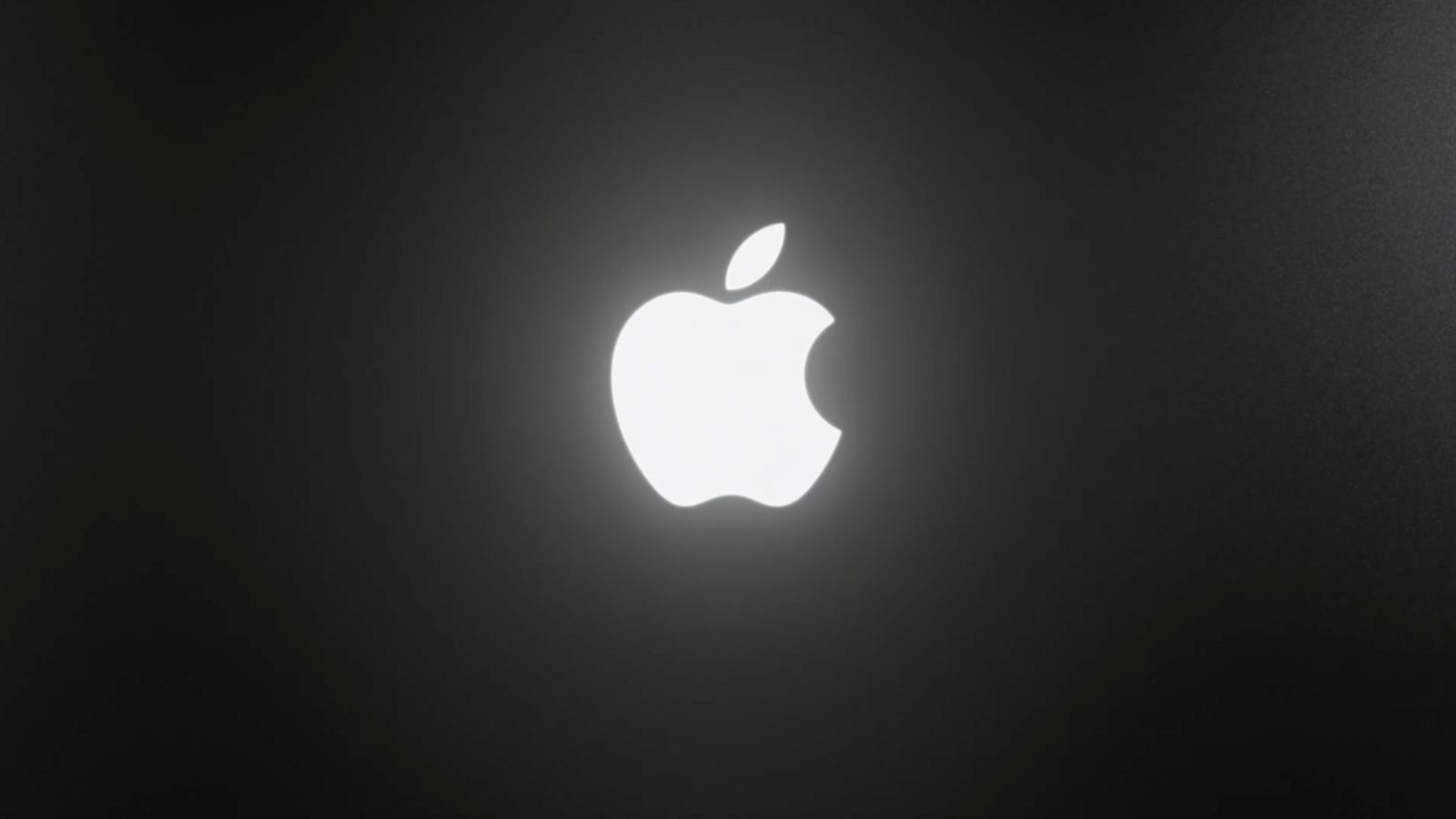
The release of the latest MacBook Pro marks a significant turning point in Apple’s industrial design language, effectively ending a decade-long hiatus for one of its most recognizable visual identifiers: the illuminated rear logo. After shifting to a polished, non-illuminated metal finish in 2016, the company has reintroduced the glowing Apple logo, pairing this aesthetic restoration with a major leap in display technology through the introduction of the ProLED XDR screen.
Engineering the Return of the Glowing Logo
For years, the MacBook’s glowing lid served as an unofficial hallmark of the platform, acting as a beacon of recognition in coffee shops, lecture halls, and professional workspaces. The original implementation relied on the laptop’s internal display backlight. By placing a translucent material in the cutout behind the display panel, the light that illuminated the pixels also traveled through the rear logo.
With the transition to modern display technologies, the physics of this design had to be fundamentally re-engineered. The new ProLED XDR display utilizes OLED technology, which operates on a self-emissive principle. Because OLED pixels produce their own light and do not require a persistent backlight layer, the traditional method of siphoning light from the screen was no longer viable. Apple’s engineering teams developed a specialized, independent lighting assembly for the logo. This new module is integrated into the laptop lid while maintaining the chassis’s structural integrity and thermal efficiency, ensuring that the light output remains consistent without interfering with the primary screen performance.
The ProLED XDR Display Architecture
The shift to the ProLED XDR display is the most substantial internal update to the MacBook Pro architecture in this iteration. The move from traditional liquid crystal displays or even standard Mini-LED setups to this new OLED-based infrastructure provides granular control over luminance and color accuracy.
In an OLED panel, each individual pixel acts as a light source. This capability allows for an infinite contrast ratio, as pixels can be completely deactivated to achieve true black levels. The “ProLED” branding suggests a proprietary refinement of these emissive materials, potentially focusing on longevity and burn-in prevention—common concerns for high-performance professional workstations. By decoupling the display light from the external logo, Apple has gained the freedom to manage the logo’s intensity independently, allowing for potential customization or adaptive brightness based on the surrounding ambient light, a feature made possible by the dedicated logic driving the rear light source.
Impact on Professional Workflows
The new MacBook Pro is available in 14-inch and 16-inch configurations, starting at $2,899 and $3,399, respectively. These price points reflect the inclusion of the M6 chip series, which provides the computational power required to drive the advanced ProLED XDR display while handling intensive creative tasks such as 8K video editing, complex 3D rendering, and real-time machine learning workflows.
The return of the illuminated logo carries weight beyond pure aesthetics for professional users. In creative environments, branding and product recognition help establish a professional standard. Furthermore, the inclusion of touchscreen capabilities on these new models, combined with the power of the M6 architecture, signals that Apple is positioning the MacBook Pro as a versatile instrument for designers and developers who require both high-fidelity visuals and tactile interaction. The integration of touch input into an OLED panel requires a specific layering technique that minimizes the gap between the glass and the pixels, ensuring that stylus or finger input feels direct and precise.
Hardware Synergy and Future Integration
The introduction of the M6 chip is essential for managing the increased data throughput required by the ProLED XDR display. Modern displays require massive bandwidth to handle high-refresh rates and color gamut mapping in real time. The M6 architecture optimizes how data is routed from the GPU to the display driver, ensuring that even with the addition of touch-sensitive inputs and the secondary logo power draw, the overall power efficiency of the machine remains high.
By centralizing these updates, Apple is standardizing a “Pro” feature set that blends legacy design nostalgia with cutting-edge panel technology. The decision to maintain the “MacBook Pro” branding rather than adopting a rumored “Ultra” designation suggests a consolidation of the professional product line. This strategy keeps the hardware focused on the core user base: creative professionals, engineers, and power users who depend on reliable, high-performance hardware.
Maintaining Industrial Integrity
Despite the addition of a secondary light source and touch-sensitive hardware, the industrial design remains consistent with the thin, durable chassis that users have come to expect. The integration of the logo does not add bulk to the lid, nor does it compromise the hinge stability. This speaks to advancements in micro-LED and thin-film technology, which allow for bright, long-lasting illumination in remarkably thin profiles.
As the industry moves toward more complex interactive displays, the reintroduction of the illuminated logo serves as a bridge between the classic era of Apple hardware and the future of self-emissive display technology. The result is a device that pays homage to its history while utilizing current silicon to provide the power necessary for the most demanding digital tasks, ensuring that the MacBook Pro remains a foundational tool in the modern professional landscape.
Disclaimer: This content is auto-generated for informational purposes only.
Source: Read Original News