







The Rising Challenge of Generative AI in Game Development
The rapid proliferation of generative artificial intelligence tools has introduced a new frontier for the gaming industry, characterized by both creative potential and significant security risks. On the Steam platform, this technology has facilitated a surge in low-effort clones, where automated systems replicate the core mechanics, titles, and promotional materials of existing indie projects. This phenomenon has prompted serious discussions regarding platform oversight and the responsibilities of storefront operators like Valve.
Recent inquiries at the Steam Indie Connect developer conference in Korea shed light on Valve’s current position regarding these challenges. During the event, representatives Tom Giardino and Marc Wilkinson addressed concerns from developers who feel vulnerable to automated asset scraping and title cloning. The dialogue highlighted a growing tension: while developers seek systemic protection against malicious copycats, Valve remains committed to a policy of non-interference regarding the software development tools used by creators.
Valve’s Stance on Storefront Moderation
Valve’s official perspective reflects a long-standing commitment to a hands-off approach. During the conference, Giardino emphasized that the company does not intend to act as a gatekeeper for the software tools employed by developers. By refusing to restrict the use of generative AI or dictate specific development workflows, Valve maintains its status as an open marketplace.
This philosophy aligns with the platform’s 2018 policy shift, during which leadership stated that almost all content is permitted on the storefront provided it does not violate laws or constitute blatant trolling. However, this policy is now being tested by the speed and volume at which AI can produce derivative products. While Valve has expressed a willingness to assist with legal matters if criminal activity is involved, they suggest that the burden of defense rests largely with the creators themselves rather than with automated platform moderation.
Strategies for Defending Intellectual Property
In place of active platform-wide enforcement, Valve has suggested that developers adopt proactive strategies to safeguard their intellectual property. The primary recommendation is to prioritize the development of complex, multi-layered game systems that are difficult for automated tools to replicate. By moving away from simple, singular mechanics—which are prime targets for cloning—developers can create products with a depth that requires intentional human input, personality, and nuanced design.
Furthermore, building an active, loyal community is cited as a defense mechanism. The rationale is that if a developer fosters a direct line of trust with their audience, users are less likely to be deceived by low-quality clones. When a studio establishes a strong brand identity and maintains a consistent presence, the original version of a game becomes the authoritative experience, making it easier for potential players to identify the legitimate product amidst a sea of imitation software.
The Practical Obstacles for Indie Developers
While these recommendations theoretically protect a brand, they pose significant practical hurdles for smaller independent studios. Creating complex, content-rich games requires significant time, capital, and labor, resources that many indie developers operate without. For many small-scale projects, simplicity is a necessity rather than a design choice. The expectation that developers should outpace automated cloning scripts through sheer complexity effectively punishes the smallest creators who lack the budget to implement robust legal defenses.
Additionally, the “whack-a-mole” nature of fighting clones creates an environment of perpetual legal and administrative labor. Even if a developer manages to successfully identify and report a clone, the speed at which AI-generated content can be iterated means that new versions can replace the old ones almost immediately. Without direct, automated, or swift intervention from the storefront provider, individual developers are often forced to choose between focusing on their actual game development or dedicating their limited time to monitoring the store for copyright infringement.
Implications for the Future of Steam
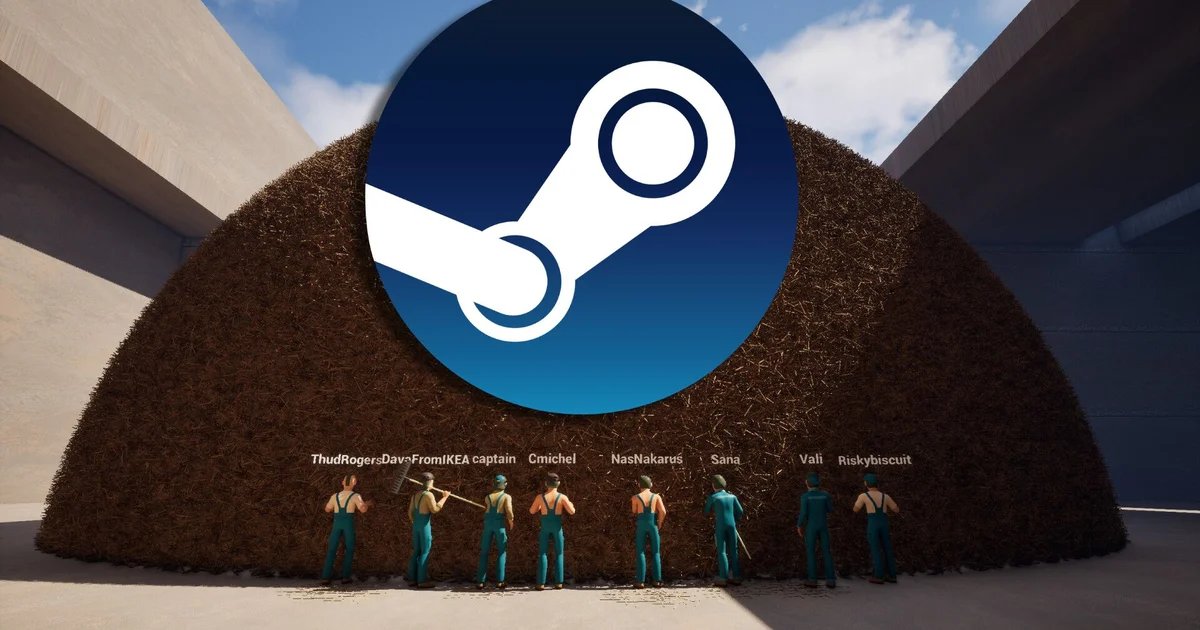
The growth of Steam into an increasingly crowded marketplace necessitates a conversation about the effectiveness of current moderation policies. When a platform hosts more titles than ever before, the barrier for entry for malicious actors drops, and the potential for consumer confusion rises. The case of “Needle in a Haystack Simulator”—a game that saw numerous clones appear before its official release—serves as a case study for this struggle. The developer’s decision to integrate a “find the original” game mode highlights both the absurdity and the frustration of the current landscape.
Moving forward, the gaming industry must navigate the balance between supporting an open, accessible platform and ensuring that creators are not systematically erased by their own tools. While Valve continues to emphasize the responsibility of the developer to create unique and complex experiences, the recurring issues of platform hygiene suggest that the current model may soon require a more sophisticated technological response. Whether that comes in the form of improved automated detection, better reporting tools for developers, or a shift in store policy remains to be seen. For now, the onus remains on the creator to defend their work in an environment that currently prioritizes scale over stringent moderation.
Disclaimer: This content is auto-generated for informational purposes only.
Source: Read Original News