








The Balancing Act: Understanding the Federal Reserve’s Pause
The recent decision by the US Federal Reserve to maintain interest rates within the 3.75%-4% range signifies a pivotal moment in global monetary policy. By opting for a pause, the Fed is signaling a transition from aggressive, front-loaded interest rate hikes to a more data-dependent approach. This shift acknowledges the dual reality of the current economic environment: robust growth and persistent inflation.
For policymakers, the decision was far from unanimous. The 10-2 vote highlights a growing divide within the central bank. The dissenters, pushing for a 25-basis-point increase, represent the faction concerned that inflationary pressures remain entrenched. Their caution is rooted in the belief that prematurely halting rate hikes could allow inflation to embed itself deeper into the economy, necessitating even more painful measures later. Conversely, the majority view emphasizes the lag effect of monetary policy, suggesting that the cumulative impact of previous hikes is only now fully filtering through to the broader economy.
This pause is not a signal that the fight against inflation has been won. Rather, it reflects a strategic decision to observe how the economy responds to existing tightening. By keeping the door open for future hikes, the Fed maintains its credibility while avoiding the risks of over-tightening into an economy that is already showing signs of cooling in specific sectors.
Implications for Global Capital Flows
The US Federal Reserve’s policy trajectory serves as the gravity around which global financial markets orbit. When the Fed signals a pause, it alters the risk-reward calculus for global investors. For emerging markets, particularly India, the Fed’s posture is of paramount importance. High US interest rates generally attract capital toward the US dollar, leading to capital outflows from developing economies and putting downward pressure on local currencies.
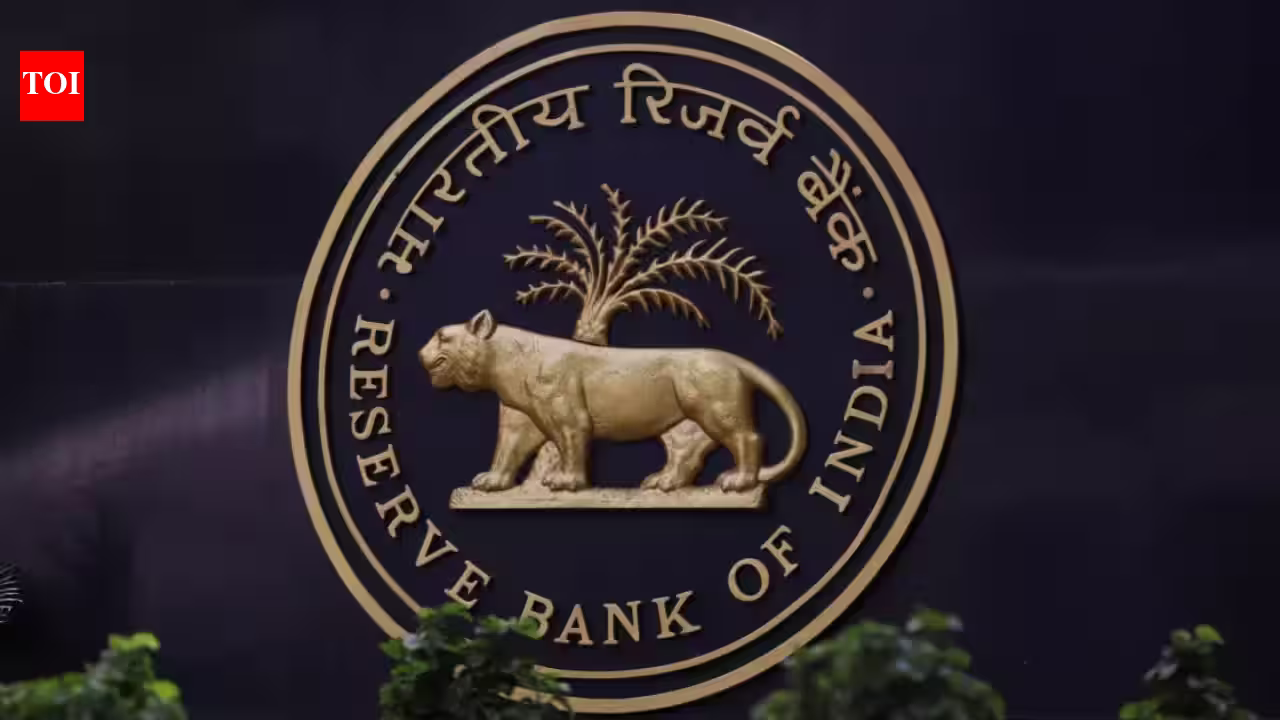
When the Fed holds rates steady, it provides a degree of stability for the Indian Rupee. A pause reduces the immediate urgency for the Reserve Bank of India (RBI) to follow suit with aggressive rate hikes to prevent capital flight. However, the lack of a clear downward path for US rates means that the “higher for longer” narrative remains intact. Foreign Institutional Investors (FIIs) are likely to remain cautious, keeping a close eye on the US Treasury yields. If yields remain elevated despite the pause, global liquidity may remain constrained, influencing borrowing costs for Indian corporations that have exposure to foreign debt.
Impact on the Indian Macroeconomic Landscape
The Indian economy operates in a complex global ecosystem where the decisions made in Washington have immediate domestic repercussions. The Fed’s current stance creates a period of “wait and watch” for the RBI. With inflation management being a core priority for the Indian central bank, the primary challenge is to ensure that domestic growth is not sacrificed on the altar of currency stability.
For India, the key takeaway is the potential for imported inflation. If the Fed maintains high rates, the US dollar retains its strength, making imports—particularly energy and commodities—more expensive for Indian businesses. This adds an inflationary layer that is external to the domestic supply chain. Furthermore, the cost of servicing external debt for Indian firms rises when the dollar strengthens against the rupee.
However, India’s resilient domestic demand provides a buffer. Unlike some developed nations where high rates are currently acting as a significant brake on consumption, India’s consumption-led growth story remains relatively insulated. The corporate sector in India has significantly deleveraged over the last few years, making them more resilient to high-interest-rate environments. This fundamental strength allows Indian policymakers to focus on domestic imperatives, such as infrastructure investment and credit expansion, while monitoring the global interest rate environment for volatility.
Strategic Outlook for Indian Businesses and Markets
Indian corporations are navigating a period characterized by heightened sensitivity to global interest rate cycles. Companies that rely on capital-intensive expansion plans are currently reviewing their project financing models. The expectation of a pivot in US monetary policy has been delayed, forcing CFOs to prioritize cash flow management and reduce reliance on expensive short-term bridge financing.
For the equity markets, the Fed’s pause is interpreted as a temporary relief. While the market initially reacted with caution, the long-term outlook for Indian equities remains tied to domestic earnings growth rather than global rate trajectories. Investors are focusing on sectors that benefit from domestic consumption—such as banking, retail, and manufacturing—while remaining selective with export-oriented sectors like IT services, which are more sensitive to slowdowns in US spending.
The current uncertainty underscores the necessity for Indian businesses to hedge against currency fluctuations and interest rate risk. Forward contracts and interest rate swaps are becoming essential tools for firms with significant cross-border transactions. As the Fed continues to emphasize that its future moves are not tied to fixed dates, Indian firms are advised to remain agile, maintaining liquid balance sheets that can withstand sudden shifts in global liquidity conditions.
The Road Ahead: Navigating Persistent Inflation
The core of the current global economic challenge remains the stubbornness of inflation. Even with the Fed’s hawkish rhetoric, the underlying data shows that the transition to a 2% inflation target is slow and uneven. For India, this means that the era of cheap global capital is unlikely to return in the immediate future. Businesses must prepare for a landscape where the cost of capital remains higher than the pre-pandemic average.
The strategy for the coming quarters should center on productivity improvements and operational efficiency. When input costs remain volatile and the cost of debt stays elevated, margin preservation becomes the primary objective. Indian industries that have invested in digital transformation and automation are better positioned to weather these inflationary pressures compared to their peers who rely on legacy, labor-intensive models.
Ultimately, the Federal Reserve’s decision to hold rates is an acknowledgement that the “soft landing” scenario is still possible, but it requires delicate navigation. For India, this period of global uncertainty is an opportunity to solidify its domestic economic foundations. By focusing on fiscal discipline and structural reforms that encourage private investment, India can decouple its growth path from the fluctuations of US monetary policy. The global economic environment remains fluid, and the most successful businesses will be those that view these shifting interest rate cycles not as a crisis, but as a standard component of modern financial management.
Disclaimer: This content is auto-generated for informational purposes only.
Source: Read Original News