








The Evolution of the iPad Mini Display Architecture
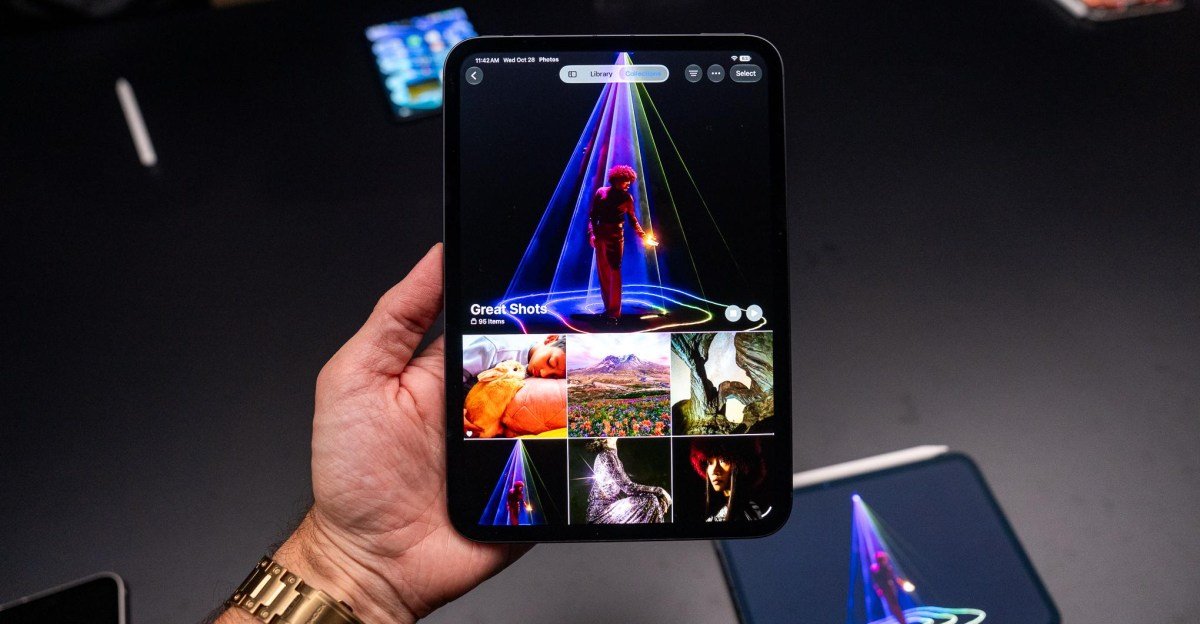
The introduction of the 8th-generation iPad Mini marks a significant departure from previous iterations, primarily driven by a transition to OLED display technology. This shift moves the device away from standard LED-backlit LCDs, allowing for deeper blacks, superior contrast ratios, and more precise color reproduction. The 8.5-inch panel provides a substantial visual upgrade, bolstered by a peak brightness capability of 1,200 nits. This brightness level is crucial for maintaining legibility in high-ambient-light environments, such as outdoor settings or areas with intense overhead artificial lighting.
A notable feature for professionals and outdoor enthusiasts is the introduction of a nano-texture matte finish. Historically reserved for high-end desktop displays, this finish is engineered to scatter incident light rather than reflecting it directly into the viewer’s eyes. In practice, this eliminates the mirror-like reflections common on glossy glass panels, effectively neutralizing glare. While some users may prefer the vibrant punch of a glossy finish, the matte treatment provides a level of clarity that is difficult to replicate with software adjustments or external anti-glare screen protectors.
Acoustic Display Technology and Audio Engineering
Perhaps the most unconventional update to the 8th-generation iPad Mini is the integration of what Apple describes as an “Acoustic Display.” Traditionally, mobile device speakers are placed along the chassis, often requiring compromises in internal space management to accommodate drivers and acoustic chambers. By utilizing the display assembly itself as part of the audio output system, engineers have implemented specialized woofers paired directly through the screen.
This structural integration allows the device to produce a lower-frequency response, resulting in more pronounced bass and a wider dynamic range. By using the rigid surface area of the display to assist in sound projection, the iPad Mini manages to bypass some of the physical limitations typically associated with small-form-factor audio. This enhancement is particularly useful for users who consume multimedia content without external headphones, as it provides a richer soundstage that feels less localized to the device edges and more immersive overall.
Compute Performance and Core Disparity
Under the hood, the iPad Mini is powered by the A20 Pro chip, representing a generational leap in mobile processing capability. This silicon architecture is designed to handle demanding tasks, ranging from complex multitasking to intensive creative applications. However, the hardware rollout introduces a specific performance distinction based on storage capacity. The 128GB and 256GB models are equipped with a five-core CPU configuration, whereas the 512GB model features a full six-core CPU.
This segmentation suggests that users with the highest storage requirements—likely those working with high-resolution video files or large-scale data sets—will also benefit from the additional processing throughput provided by the sixth core. While the five-core variants remain highly capable for general usage, the inclusion of the six-core chip in the top-tier model creates a clear performance ceiling for professional power users. It is an interesting strategic choice, as it incentivizes high-capacity storage not just for space, but for sustained computational speed.
Design Refinements and Ergonomic Adjustments
The physical design of the new iPad Mini maintains the familiar, portable form factor that has long defined the series, but with subtle refinements. The reduction in bezel size allows for a more expansive screen-to-body ratio, making the device feel more contemporary. One of the most requested modifications, which finally arrives with this generation, is the relocation of the front-facing camera to the landscape edge. This change aligns the iPad Mini with the design language seen across the broader iPad ecosystem. It ensures that, during video conferencing, the user’s eye contact is centered, resolving the awkward off-axis gaze that resulted from side-mounted cameras.
Despite these advancements, the biometric authentication system remains a point of contention. The continued reliance on Touch ID—housed within the power button—rather than the integration of Face ID, distinguishes the Mini from the Pro line. For users who rely on quick, hands-free authentication, this remains a limitation. However, the consistent hardware performance and the high-density display integration demonstrate that the device is positioned as a primary tool for mobile productivity rather than just a secondary consumption device.
Availability and Market Positioning
With a starting price of $699, the 8th-generation iPad Mini arrives as a premium entry into the compact tablet market. The device is currently available for preorder in two colorways, starlight and midnight, with a wide market launch scheduled for November 6th. The lack of a 120Hz refresh rate, with the display capped at 60Hz, indicates a focus on power efficiency and cost management rather than targeting the high-end gaming market that necessitates higher frame rates.
By balancing advanced OLED display tech and unique audio engineering with a familiar industrial design, the iPad Mini occupies a unique space. It serves as a bridge for users who require the portability of a smartphone-sized tablet but demand the processing power and display fidelity of a workstation device. Whether the device can bridge the gap between casual tablet use and professional-grade mobile workflows will likely depend on how well developers optimize their software to leverage the new A20 Pro architecture and the specialized acoustic display drivers. The update is a clear signal that the compact tablet form factor is undergoing a technological renaissance, even if some user-experience trade-offs remain.
Disclaimer: This content is auto-generated for informational purposes only.
Source: Read Original News