








The Evolution of Apple Silicon Performance
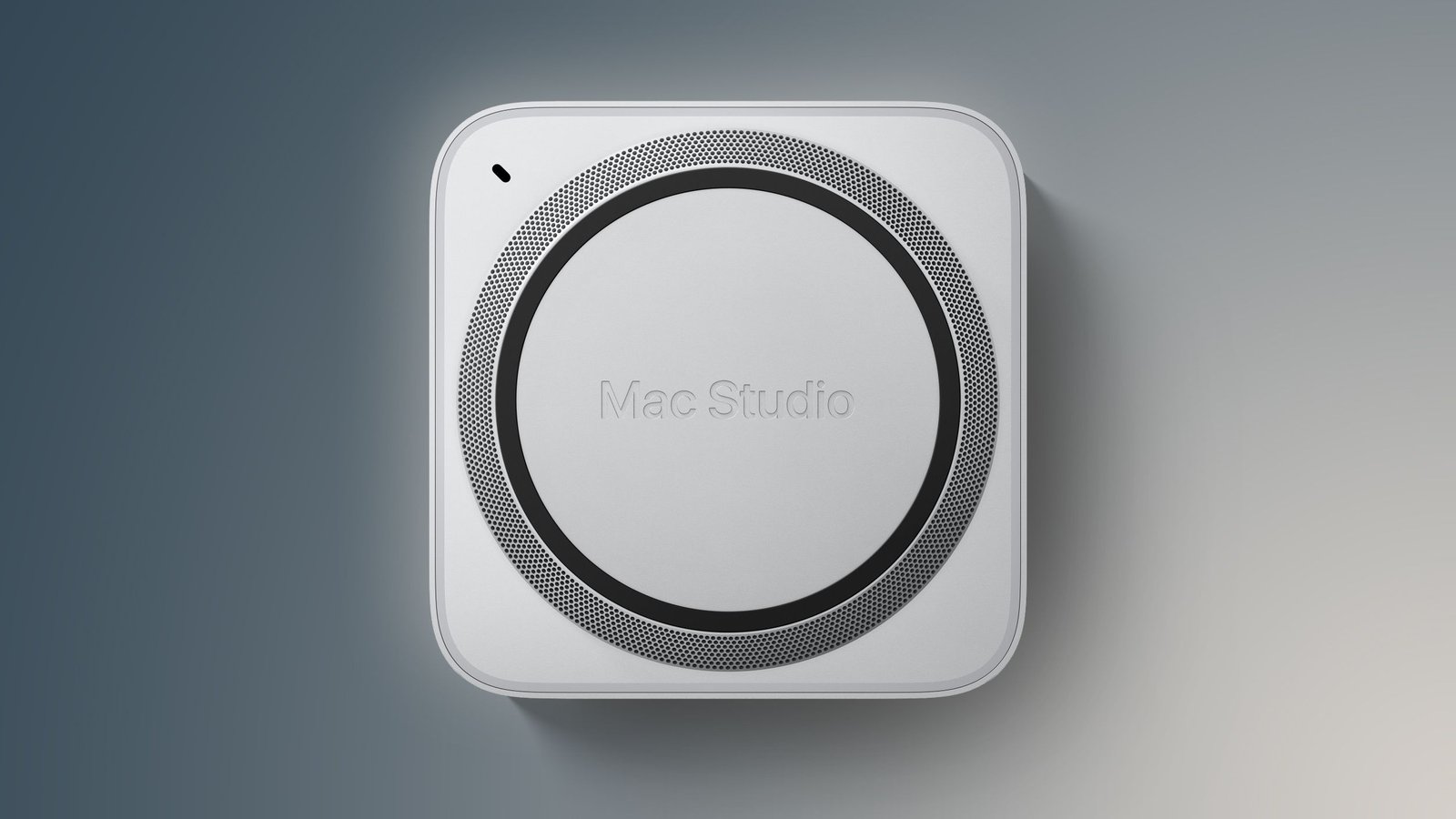
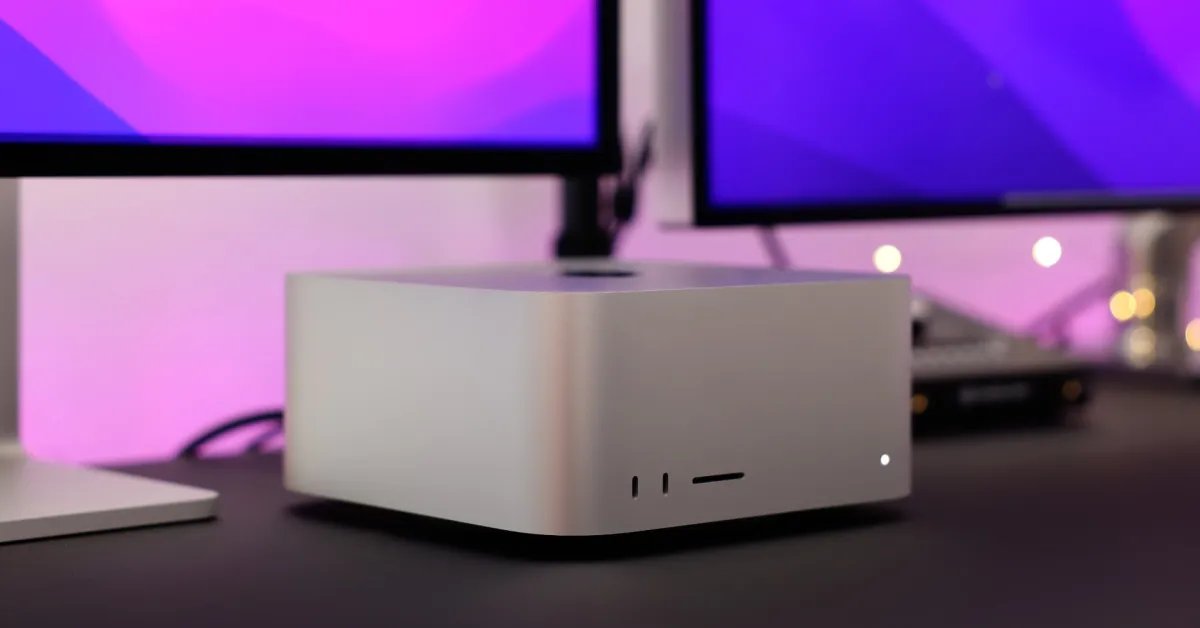
The landscape of desktop computing has shifted significantly with the arrival of the latest Mac Studio iteration. When Apple introduced the M5 Max and M5 Ultra chips in August, the tech industry took note of the substantial architectural improvements and the promise of unprecedented memory capacities. Today, Apple has fulfilled its commitment to power users by opening orders for the Mac Studio configured with 512GB of unified memory. This specific hardware upgrade signifies a departure from traditional desktop limitations, positioning the Mac Studio as a direct competitor to high-end workstation setups that previously required dedicated server-grade components.
The integration of 512GB of unified memory is not merely a quantitative increase; it represents a fundamental change in how the M5 Ultra chip interacts with data. Because Apple Silicon utilizes a unified memory architecture, the memory is shared across the CPU, GPU, and the Neural Engine. By providing such a massive memory pool, Apple allows developers, researchers, and creative professionals to process complex datasets and render high-fidelity graphics entirely within the memory space, avoiding the latency associated with swapping data to a solid-state drive.
Technical Specifications and Pricing Structure
The 512GB memory tier is exclusive to the most powerful variant of the current Mac Studio lineup: the M5 Ultra chip equipped with a 36-core CPU and an 80-core GPU. This tier is clearly engineered for enterprise-level demands, such as large-scale machine learning model training and 8K uncompressed video production workflows. The pricing reflects this market positioning. Selecting the 512GB RAM upgrade adds $15,500 to the base price of the M5 Ultra system, which starts with 96GB of memory.
When a user fully maximizes the configuration, the cost reflects the professional-grade hardware being deployed. A Mac Studio with the top-tier M5 Ultra, 512GB of memory, and 1TB of internal storage commands a price of $22,299. For those requiring massive local storage for media assets, scaling the internal drive to 16TB brings the total investment to $29,799. While these figures are substantial, they are designed for professional environments where time-to-render and workflow efficiency are the primary metrics for calculating return on investment. The availability of these units is scheduled to begin in late November to early December, marking the final phase of the rollout for the current Mac Studio generation.
Use-Cases for Extreme Unified Memory
Who exactly requires half a terabyte of unified memory? The use-cases are specialized and often involve extreme computational overhead. In the field of generative artificial intelligence, for instance, running large language models locally requires the entirety of a model’s parameters to be loaded into memory. With 512GB of unified memory, developers can host massive neural networks that were previously confined to cloud-based server clusters.
Similarly, in scientific visualization and computational fluid dynamics, researchers must manipulate massive datasets that represent complex physical interactions. Moving these datasets into unified memory allows the 80-core GPU to access information with significantly higher bandwidth and lower latency than traditional architectures. For film production, this memory capacity allows colorists and editors to work with multiple streams of high-resolution RAW footage while concurrently running color grading plugins and complex effects without the typical bottleneck of memory paging.
The Impact of Unified Memory Architecture
The shift toward unified memory in the M5 generation has effectively blurred the lines between consumer desktops and workstation clusters. In traditional PC architecture, the GPU maintains its own dedicated VRAM, separated from the system RAM by the PCI Express bus. This creates a bottleneck that limits the speed at which data can move between the processor and the graphics card.
By eliminating this barrier, the Mac Studio ensures that the M5 Ultra’s components communicate over a high-speed fabric. The 512GB of RAM is essentially a massive, low-latency buffer that allows the GPU to treat system memory as its own. This architectural efficiency is why Apple can achieve performance metrics that are often comparable to, or better than, systems with higher raw specifications but split memory pools. The current update confirms that Apple is prioritizing this memory-heavy strategy, betting that professionals will favor the performance consistency of unified memory over the upgradable, albeit slower, modular hardware found in legacy workstations.
Market Positioning and Strategic Implications
By offering a $30,000 desktop computer, Apple is reinforcing its commitment to the professional creative and technical sector. This move serves two strategic purposes. First, it addresses the long-standing critique that Apple Silicon systems lack the “headroom” required for high-end enterprise tasks. By providing a 512GB ceiling, the company effectively removes any justification for professional users to remain on legacy Intel-based workstations.
Second, the hardware configuration signals the direction of future software development. As developers realize that high-capacity memory configurations are now a standard part of the Apple ecosystem, they will be encouraged to optimize their applications to take advantage of these resources. This creates a self-reinforcing cycle where more capable hardware drives more intensive software, which in turn necessitates the next generation of silicon. As these units begin shipping, the industry will gain a clearer picture of how effectively the M5 Ultra handles these massive memory loads under sustained professional stress.
Disclaimer: This content is auto-generated for informational purposes only.
Source: Read Original News