







A New Era for the Azeroth Franchise
The recent conclusion of the beta testing phase for World of Warcraft: Forever marks a significant turning point for Blizzard Entertainment and its parent company, Microsoft. During the latest Microsoft Q1 earnings call, CEO Satya Nadella characterized the event as the largest beta period in the history of the franchise. While the exact metrics remain internal to Blizzard, the sheer scale of the operation suggests a monumental shift in how the developer manages large-scale software launches and community engagement.
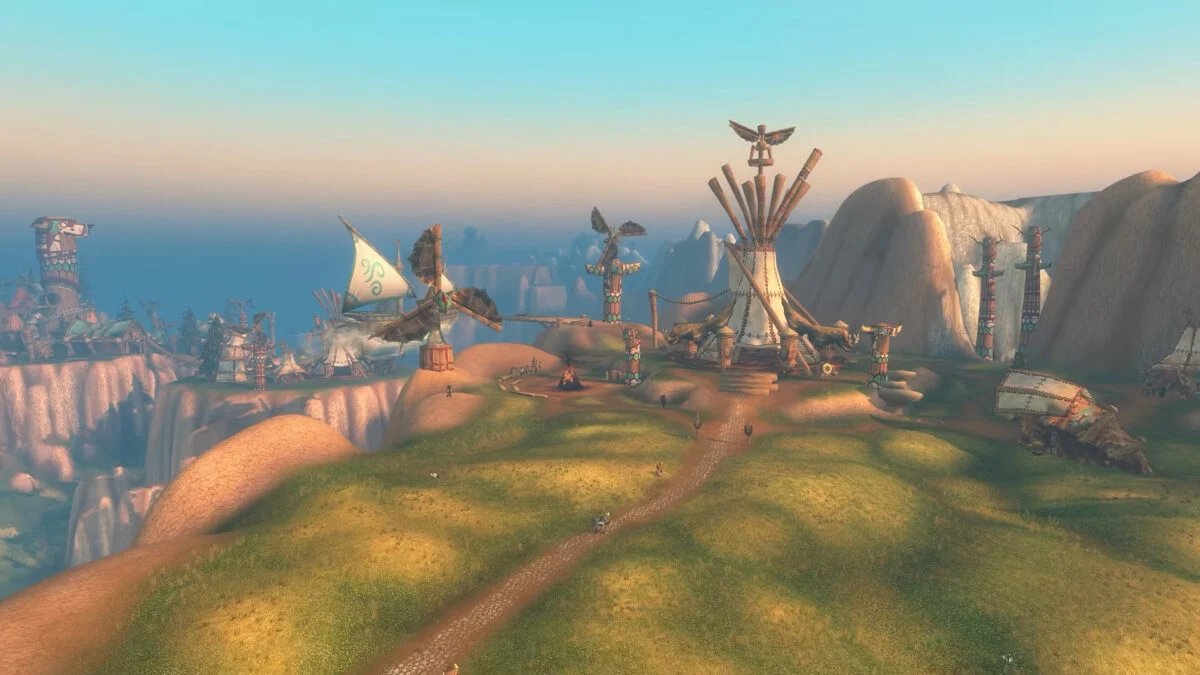
World of Warcraft: Forever represents an ambitious departure from the traditional linear progression of the franchise. Instead of adhering to the established timeline of current expansion cycles, this iteration serves as an alternate-universe reimagining. By utilizing the foundation of the original game while introducing fundamental shifts in mechanics, storytelling, and content delivery, the development team has created a playground that feels both nostalgic and refreshingly unpredictable. The beta phase, which ran from September 17 through October 23, provided players with a sandbox to test these deviations, resulting in high levels of participation that caught even veteran staff members off guard.
Shifting Strategies in Beta Access
Historically, gaining entry into a World of Warcraft beta was a matter of chance, relying on a random selection process from a pool of opt-in applicants. For World of Warcraft: Forever, Blizzard adopted a hybrid approach that combined traditional invite systems with incentivized participation. Players were granted guaranteed access if they pre-purchased specific premium bundles, starting at $60. This model allowed Blizzard to gauge financial commitment alongside technical performance.
This strategy serves multiple purposes. First, it ensures that the servers are populated by users with a vested interest in the long-term success of the product. Second, it allows for a more controlled environment where the development team can balance server loads effectively. While some analysts debate whether these figures represent total sales or merely interest levels, the result remains consistent: the infrastructure was tested at a scale previously unseen for a legacy-style title. Even with the inclusion of a public, free-access stress test day, the turnout indicates that the appetite for this specific brand of gameplay remains robust.
Analyzing the Technical Scale
The technical implications of such a large beta are substantial. Data gathered by third-party tracking tools, such as ClassicPlus.io, indicate that more than one million characters were generated during the testing window. This volume of data provides engineers with critical information regarding character database stability, zone congestion, and the efficiency of the underlying network architecture.
For a game that emphasizes long-term stability and social connectivity, these numbers are more than just vanity metrics. Josh Greenfield, a developer with seventeen years of tenure at Blizzard, noted that these statistics represent the most significant surge in his time working on the classic framework. The ability to manage a concurrent user base of this magnitude without catastrophic server failure suggests that the modernized backend infrastructure is well-equipped to handle the upcoming global launch on November 4. The data collected during the beta phase will be instrumental in optimizing patch distribution and load balancing for the launch day influx of players.
Gameplay Mechanics and the Alternate Reality
At its core, World of Warcraft: Forever functions as a response to the success of the Season of Discovery game mode. By taking the familiar world of the original 2004 release and infusing it with new mechanical twists, the team has managed to satisfy two distinct demographics: those who desire the rigid challenge of early-era gameplay and those who crave fresh experimentation.
The alternate-universe concept allows developers to adjust ability balancing, itemization, and world events without being constrained by the “canonical” history of the main game. This flexibility is a primary feature of the title. Players can experience the familiar zones and dungeons of early Azeroth, but with altered objectives and modified reward structures that force them to rethink long-standing strategies. This design choice serves as a laboratory for developers to test features that might eventually be implemented in other segments of the franchise.
Impact on the Subscription Ecosystem
Perhaps the most crucial aspect of World of Warcraft: Forever is its integration into the existing subscription model. By making the full game available to anyone with an active World of Warcraft subscription upon its November 4 launch, Blizzard is lowering the barrier to entry significantly. This approach is designed to retain existing subscribers who might be experiencing fatigue with the current expansion cycle while simultaneously drawing back lapsed players who appreciate the aesthetic and mechanical design of early iterations.
From a business standpoint, this increases the value proposition of the recurring subscription. It transforms the service from a single-product experience into a multi-faceted platform where users can switch between different versions of the same world. For Microsoft, this represents an essential component of their strategy to maintain long-term engagement across their gaming division. The success of this beta indicates that the community is not only willing to engage with legacy content but is actively seeking out new ways to consume established intellectual properties.
Future Outlook and Community Anticipation
As the November 4 launch date approaches, the anticipation within the community continues to build. The positive reception of the beta suggests that the collaborative efforts between the development team and the player base have been effective. By fostering a sense of shared discovery, Blizzard has effectively cultivated a environment where players feel their feedback directly influences the final product.
Looking ahead, the success of World of Warcraft: Forever may dictate the future trajectory of the franchise. If the model proves sustainable and highly profitable, it could lead to more frequent “what-if” scenarios and experimental releases. The integration of high-fidelity modern features into the classic engine has paved the way for further innovation. With the technical hurdles of the beta largely addressed, the focus now shifts to the long-term sustainment of the game world, ensuring that the alternate-universe experience remains engaging, balanced, and technically sound for years to come.
Disclaimer: This content is auto-generated for informational purposes only.
Source: Read Original News