






The Legacy of BioWare and the Evolution of Corporate Ownership
BioWare, a name once synonymous with the peak of role-playing game development, has seen its journey effectively conclude under its long-time parent company, Electronic Arts. The studio, founded in 1995, became an industry icon through titles like Baldur’s Gate, Knights of the Old Republic, and the Mass Effect trilogy. Following its official closure, co-founder Greg Zeschuk has provided critical insight into the factors that led to this outcome, noting that while his departure in 2012 helped him process the transition, the current state of the industry signals a profound shift from the creative culture he once helped cultivate.
Zeschuk points to a fundamental disconnect between those who manage large-scale publishers and those who engage in the actual process of game development. According to his perspective, the individuals currently steering corporate strategy often lack the foundational experience of shipping a title from conception to completion. This separation often results in a misunderstanding of how creative projects function, prioritizing financial benchmarks over the iterative, often unpredictable nature of software production. This lack of development literacy at the executive level, he argues, has contributed to an environment where studios are measured solely by output efficiency rather than creative output.
Reflecting on the 2007 Acquisition
Much of the discourse surrounding BioWare’s decline centers on its 2007 acquisition by Electronic Arts. Zeschuk clarifies that the studio was not in a state of crisis at the time of the sale. Rather, the leadership was seeking additional capital to fuel the development of The Old Republic, an ambitious Mass Effect-scale project that required significant financial runway. At the time, joining a larger entity appeared to be the most prudent path forward for growth and project security.
In hindsight, Zeschuk suggests that the landscape of the gaming industry has undergone such drastic structural changes that the BioWare of 2024 is unrecognizable compared to the one acquired nearly two decades ago. The transition of ownership to private equity firms—including the Saudi Arabia Public Investment Fund, Silver Lake Partners, and Affinity Partners—has fundamentally altered the mission of Electronic Arts. Zeschuk identifies this shift as the decisive factor in the studio’s eventual closure, as the new ownership hierarchy prioritizes a narrow set of core pillars, such as sports titles and established military franchises like Battlefield, leaving other projects vulnerable to being labeled as extraneous.
The Mechanics of Intellectual Property Retention
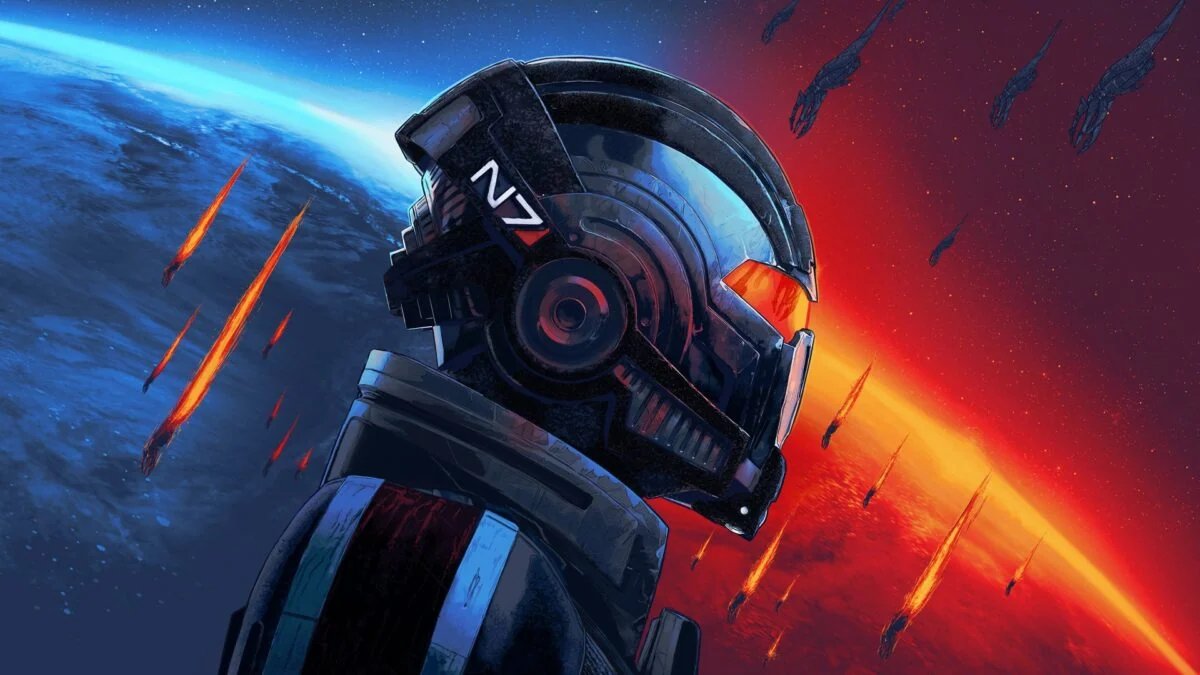
A significant portion of the current industry frustration involves the fate of iconic intellectual properties like Mass Effect. Even as the development studio is shuttered, the underlying assets remain firmly within the control of the publisher. This strategy, common among major gaming corporations, involves retaining the rights to profitable franchises while ceasing active development or internal support for the creators who built them.
Current reports indicate that EA intends to maintain these licenses indefinitely. For instance, a Mass Effect television series remains in development at Amazon, signaling that the corporate entity plans to extract value from the brand’s established fan base without maintaining the studio that originally conceptualized the narrative universe. This approach illustrates a broader trend in technology and entertainment: the decoupling of brand equity from the human capital required to maintain that brand’s quality. For fans, this creates a situation where the product name continues to exist as a marketing vehicle, even as the creative heartbeat of the project is silenced.
The Human Cost and the Future of Development
Zeschuk expresses deep concern for the human impact of the studio’s closure, particularly as developers are forced to navigate a tightening, increasingly hostile job market. He argues that the loss of a studio like BioWare is not merely a change in corporate branding; it is the dispersal of a collective knowledge base. According to Zeschuk, the unique quality of a series like Mass Effect cannot be replicated through automated processes or by simply assembling random teams.
The reliance on artificial intelligence and detached management to fill the gaps left by veteran developers is a primary concern. The technical difficulty of creating a high-fidelity, choice-driven narrative experience requires a cohesive team that understands how to manage complex systemic interactions. Zeschuk believes that the focus on “business tracks” over “development tracks” leads to a misunderstanding of this complexity. When leaders do not understand the technical debt or the creative nuances of a game engine and its design requirements, the resulting decisions often undermine the project’s long-term success.
Why a Return to Development Is Unlikely
Despite widespread public interest in seeing the original architects return to lead the industry, Zeschuk has firmly stated he has no intention of returning to game development. He describes the process as a “crucible,” requiring a degree of personal struggle, intense resource management, and sacrifice that he is no longer willing to undertake. His stance serves as a reminder of the immense pressures inherent in modern triple-A production.
For those watching from the sidelines, the situation serves as a stark case study in the lifecycle of technology and creative firms. The passion that drives the creation of world-class gaming experiences often faces a collision course with the fiscal realities of conglomerate ownership. While fans continue to advocate for the survival of their favorite series through public displays and petitions, the reality remains that the studio environment, once the cornerstone of BioWare’s success, has been permanently disbanded. As the industry moves toward a model dominated by intellectual property holding companies, the separation between the creators and the brands they build is likely to remain a defining feature of the modern gaming landscape.
Disclaimer: This content is auto-generated for informational purposes only.
Source: Read Original News