









The Evolution of Consumerist Speculation
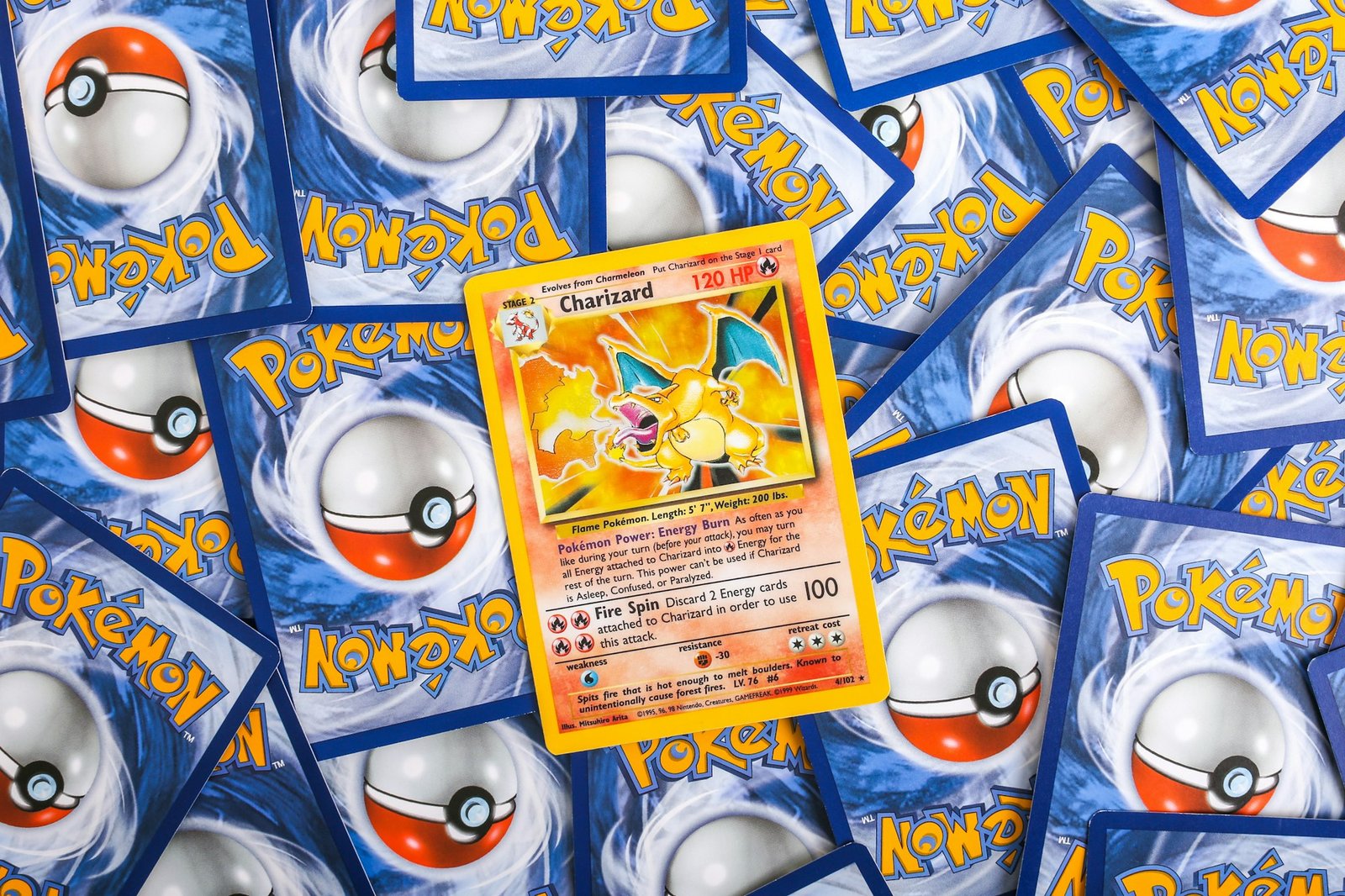
The phenomenon of aggressive market speculation has become a defining characteristic of modern hobbyist communities. Over the last decade, sectors ranging from vintage video games and collectible card games to luxury watches have seen the intrusion of middlemen. These participants, often referred to as resellers, capitalize on limited supply chains to drive up prices, turning items of personal interest into financial commodities.
This trend mirrors the trajectory of the sneaker industry, which served as a testing ground for this model during the 2010s. By analyzing the life cycle of the sneaker market—its rapid inflation fueled by hype cycles and its subsequent normalization—observers can gain a clearer perspective on the current struggles facing other collectible markets. The transition from enthusiast-driven hobby to a speculative asset class is rarely permanent; market saturation and the eventual withdrawal of profit-focused intermediaries suggest that these cycles are inherently finite.
The Mechanics of the Sneaker Boom
The golden age of sneaker collecting was marked by a specific intersection of supply management and digital platform development. Manufacturers, particularly Nike and Adidas, increasingly utilized limited-release strategies for iconic silhouettes. This created a consistent, artificial scarcity that invited third-party platforms like StockX and GOAT to flourish. These platforms provided the infrastructure for a secondary market where items often retailed for a fraction of their eventual resale valuation.
The impact of this shift was profound. Enthusiasts who once viewed footwear as a form of self-expression found themselves competing against automated systems and warehouse-scale resellers. The “grail” status of a product became less about its design or historical significance and more about its potential for short-term capital gain. This transformation signaled a pivot where corporations began catering to the demands of investors rather than the original consumer base, ultimately distancing the brands from the people who built the culture.
The Inevitable Market Correction
The speculative bubble in the sneaker industry eventually met the realities of economic exhaustion. By the early 2020s, several factors triggered a significant cooling. First, brands became over-reliant on re-releasing classic models, a process that diminished the cultural importance of these designs through sheer volume. When every release is deemed “limited,” the concept of scarcity loses its efficacy.
Furthermore, changing consumer habits played a pivotal role. As traditional sneaker models stagnated, interest shifted toward performance-oriented brands like Hoka, Salomon, and On. These companies prioritized utility and accessibility over the hyper-exclusive drops that defined the previous era. As the “hype” subsided, the demand for many secondary-market models plummeted. Today, the landscape is notably different; consumers are far more likely to secure desired products directly from manufacturers, and the prevalence of predatory resale pricing has been significantly mitigated by a return to broader retail availability.
The Role of Generational Interest and Nostalgia
A critical component of these speculative bubbles is the reliance on nostalgia. In many cases, these markets are driven by individuals who grew up during a specific period of technological or cultural peak. As this demographic ages and reaches peak disposable income, they look to reclaim the artifacts of their youth. However, this is a self-limiting engine.
As Russ Bengtson, former editor-in-chief of SLAM magazine, notes, the disconnect between generations is inevitable. Younger consumers do not share the same historical connection to the specific “retro” iterations being pushed by manufacturers. When marketing is reduced to a “copy of a copy,” the foundational passion that supports high resale values erodes. This suggests that for markets like Pokémon cards or vintage Nintendo games, the current obsession with value is likely a temporary peak driven by a specific generation that will eventually move on to other interests.
Predicting the Future of Collectibles
The transition observed in sneakers offers a blueprint for what lies ahead for other enthusiast spaces. Speculators are effectively locusts; they descend upon a market when they perceive an opportunity for easy profit and depart once the return on investment diminishes or the market becomes too saturated to sustain high margins.
Industries that neglect their foundational diehard fanbases in favor of chasing short-term gains from speculators risk severe reputational damage. While the influx of capital might look positive on a quarterly balance sheet, it often hollows out the community that creates long-term brand loyalty. As the “hype” inevitably fades from the currently over-inflated TCG and retro gaming markets, the remaining environment will likely reflect a more sustainable, albeit less volatile, ecosystem. Collectors who have endured this period of intense price manipulation may find that the market eventually returns to its roots—prioritizing the utility and enjoyment of the products over their speculative potential. The lesson from the sneaker industry is clear: when the money flows out, the true community remains, and the hobby can begin the process of returning to a state of normalcy.
Disclaimer: This content is auto-generated for informational purposes only.
Source: Read Original News