








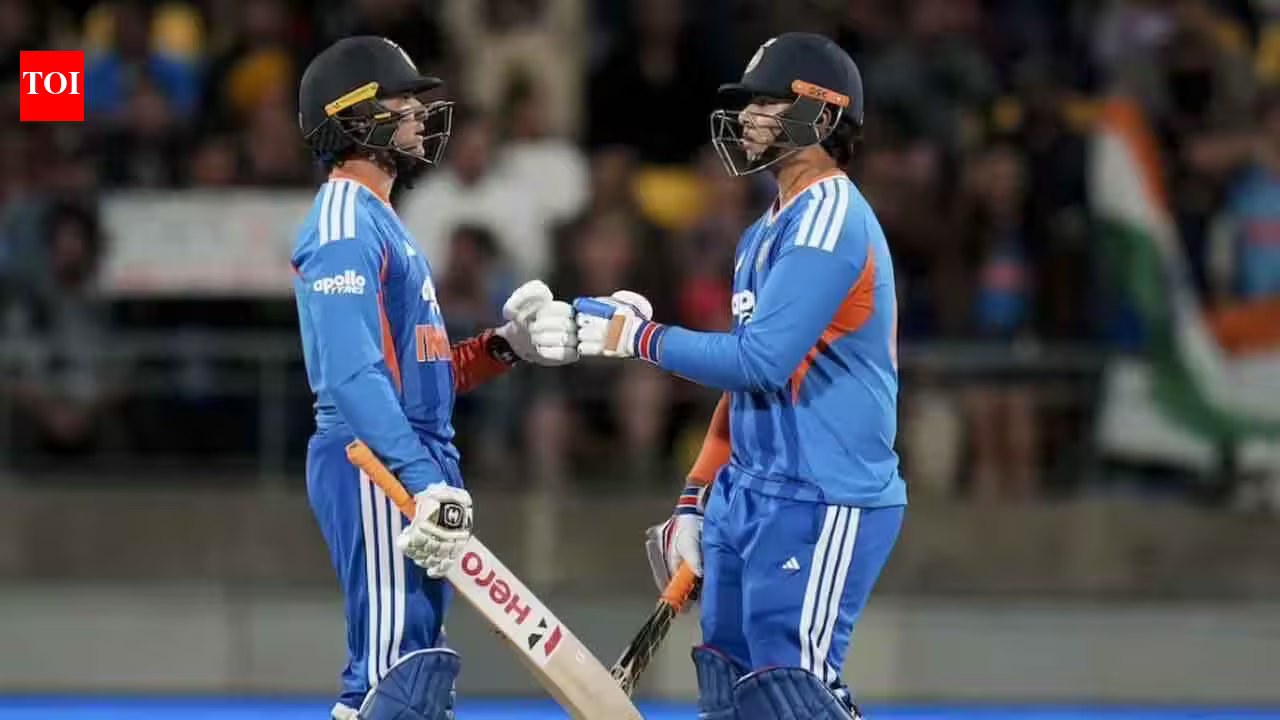
WELLINGTON — With the T20I series against New Zealand already securely in the bag, the Indian cricket team is finding itself in the enviable position of being able to peer into the crystal ball. While the short-term goal of winning has been met, the focus within the dressing room has shifted toward a more significant, long-term objective: defining the batting blueprint for the 2028 T20 World Cup in Australia and New Zealand.
In the heart of this strategic evolution sits a new, electrifying opening pairing: Abhishek Sharma and the teenage prodigy Vaibhav Sooryavanshi. Their partnership in the third T20I, which saw them bludgeon a 133-run stand in a mere seven overs, has not just blown away the New Zealand attack—it has fundamentally shifted the conversation regarding India’s future personnel.
The Rise of the Teenager
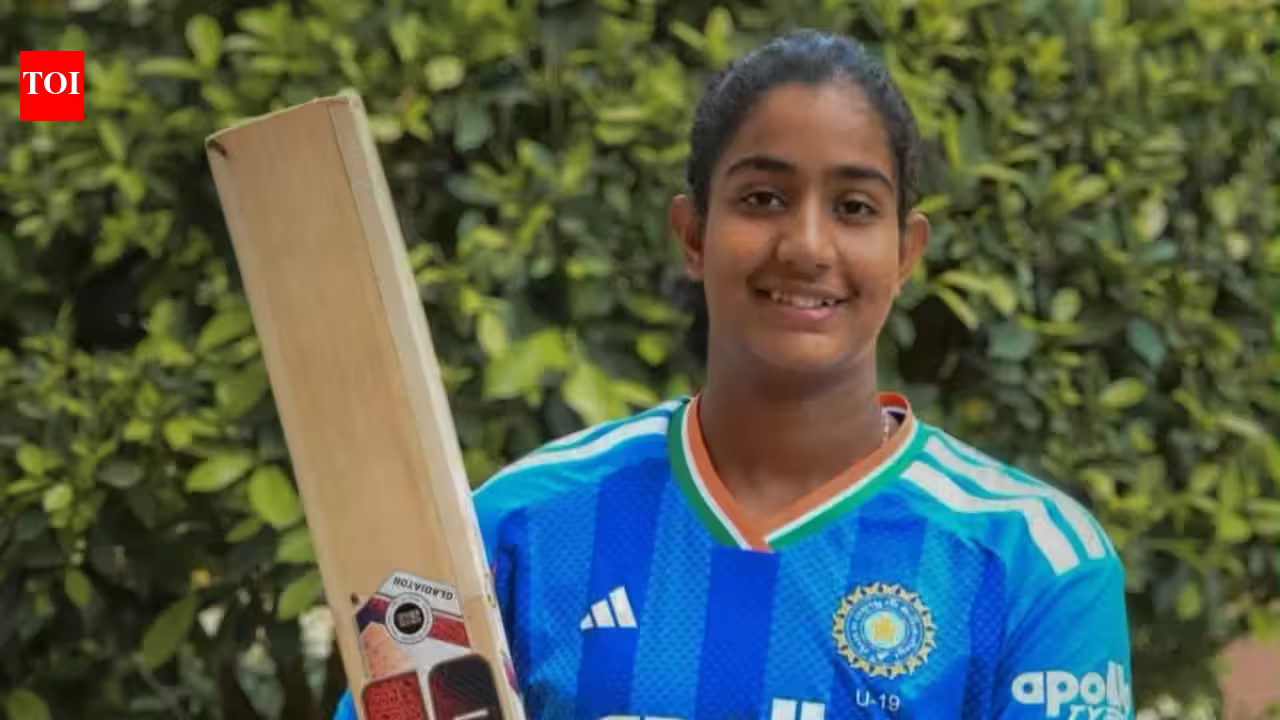
Vaibhav Sooryavanshi’s arrival has been nothing short of explosive. Thrust into the starting XI following an injury to Ishan Kishan, the 15-year-old initially navigated some choppy waters while batting at No. 3 during the Christchurch fixture. Playing outside the Powerplay, his natural aggression was stifled, leading to a period of adjustment.
However, the team management’s decision to elevate him to the opening slot in Wellington proved to be a masterstroke. Smashing the very first ball of his innings to the boundary, Sooryavanshi signaled an intent that defined the match. His 45 off 19 balls wasn’t just a cameo; it was a statement.
“Last match, I went against my grain as to how I play in T20s,” Sooryavanshi reflected after the game. “This game, I wanted to give a quick start so that it becomes easy.” By moving him to the top, India unlocked the fearless, high-octane batting style that has made him one of the most exciting prospects of the post-2026 IPL era.
A Culture of Selflessness
The tactical shift necessitated a move for the established and in-form Sanju Samson, who gracefully vacated the opening slot he has made his own over the last 37 matches. Since his return to the side during the T20 World Cup, the Samson-Abhishek partnership has been a cornerstone of Indian cricket, accumulating 1,166 runs. For an established international star to shift down to No. 3 to accommodate a teenager speaks volumes about the team’s current internal dynamics.
Abhishek Sharma was quick to praise his partner’s maturity. “The way Sanju bhai batted in the last game, it is not easy to let go of one’s familiar batting position. That showed his character,” Abhishek noted. “Someone’s going for his position, but everyone is selfless and happy for each other, which is the hallmark of a great team.”
This culture of “total flexibility” is the signature of head coach Gautam Gambhir’s tenure. Under Gambhir, the traditional rigidness of batting positions has evaporated, replaced by a mandate that prioritizes the team’s strike rate and situational dominance over individual comfort.
The Blueprint for 2028
The challenge for the selectors is no longer about finding players; it is about managing an abundance of riches. With Abhishek, Sooryavanshi, Samson, and the recovering Ishan Kishan all vying for top-order supremacy, the question is how to synthesize these talents into a cohesive, world-beating XI.
The management appears to be favoring a model of versatility. Ishan Kishan, for instance, has already proven his mettle in the middle order, notably with his match-winning 80 off 46 balls against Sri Lanka in the Asian Games. His ability to anchor or accelerate from the middle positions suggests that the “Vaibhav vs. Sanju” or “Vaibhav vs. Kishan” narrative is a false dichotomy.
Gambhir’s philosophy of keeping only the top two positions fluid while maintaining general batting flexibility provides a pathway for all these dynamic talents to coexist. By moving pieces around the board based on the match situation and the specific demands of the venue—much like the successful experiment in Wellington—India is developing a tactical layer that few other international sides possess.
The Road Ahead
As the Indian side looks toward the future, the Abhishek-Sooryavanshi partnership stands as the most exciting development. Their synergy in Wellington was palpable; the visual of Sooryavanshi dismantling the bowling allowed Abhishek to settle into his natural flow, and vice-versa.
“When Vaibhav hit the first ball, he showed aggression. I saw that at the non-striker’s end and when you see such a shot, you also feel pumped up,” Abhishek said.
With the series result decided, the coming matches provide the perfect petri dish for further experimentation. Whether they continue to favor the youthful exuberance of Sooryavanshi or rotate their star-studded top order, one thing is certain: India is no longer playing just to win the series at hand. They are building a juggernaut designed to dominate the game for the next four years, and if the Wellington masterclass is any indication, the new generation is more than ready to take the reins.
Disclaimer: This content is auto-generated for informational purposes only.
Source: Read Original News