








The Evolving Landscape of the Indian Two-Wheeler Sector
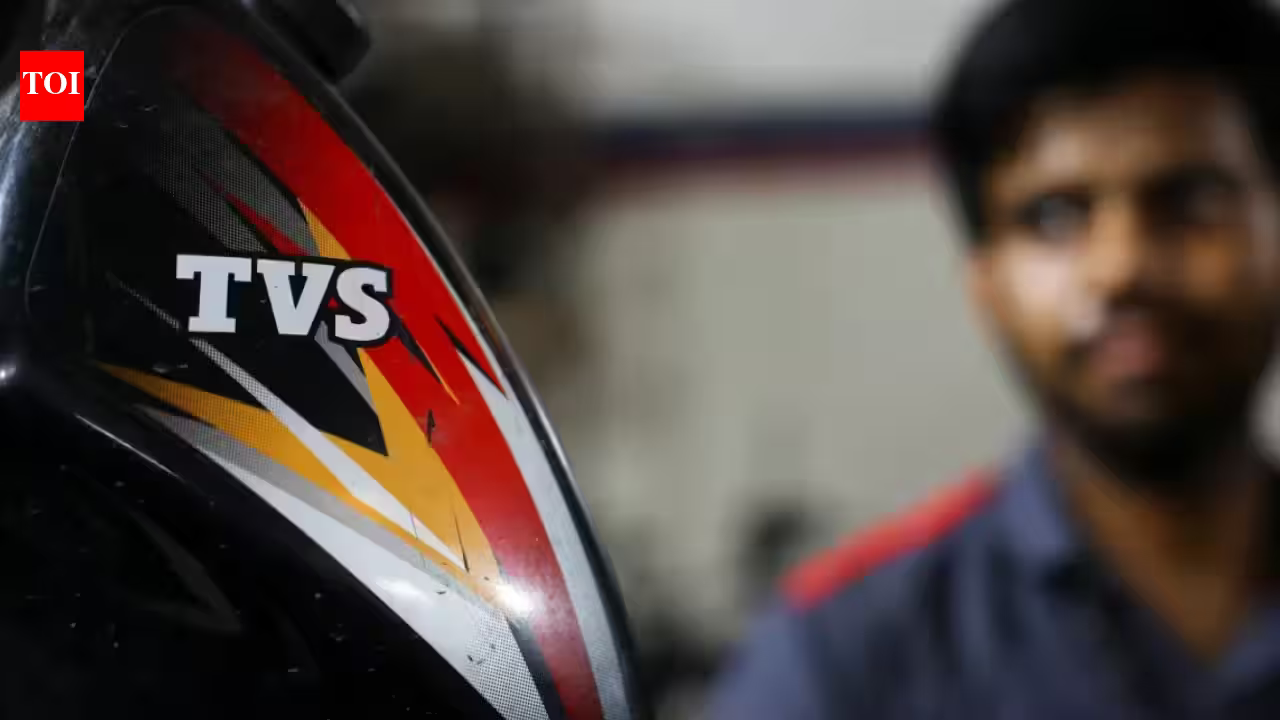
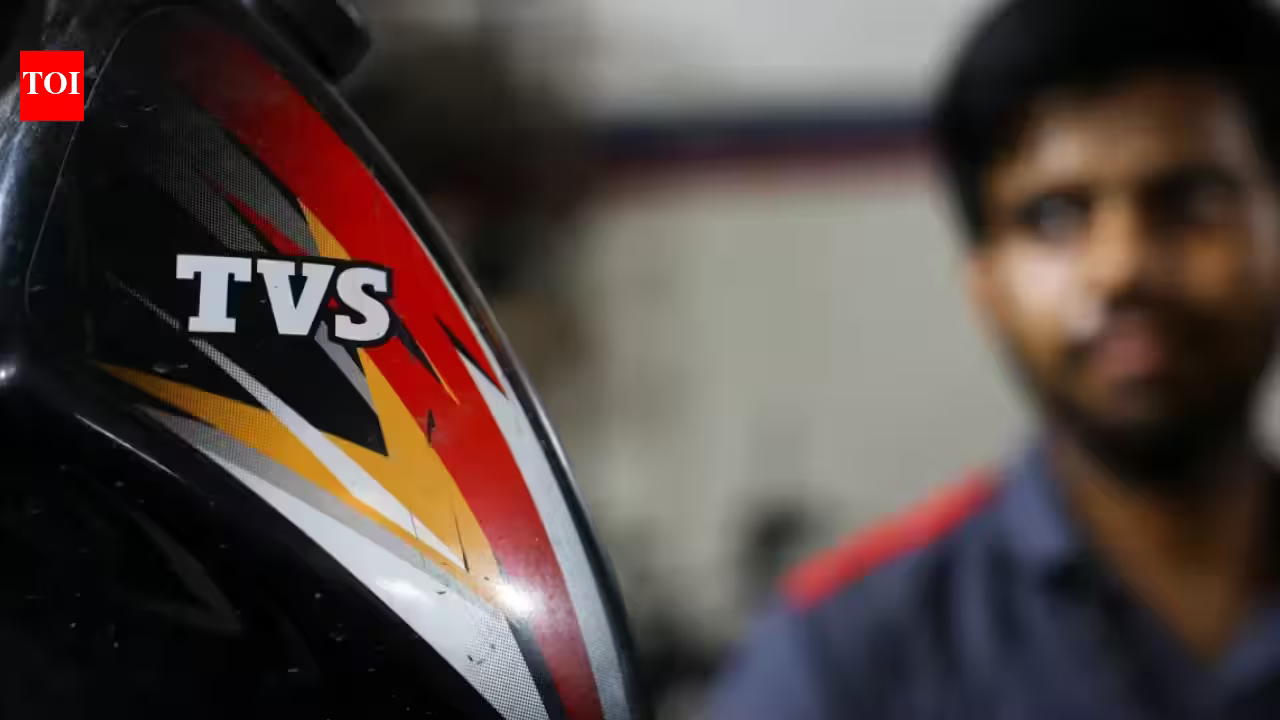
The Indian automotive sector, particularly the two-wheeler segment, has long served as a vital barometer for domestic consumption and economic vitality. Following a period of robust expansion in the first half of the current fiscal year, the industry is now transitioning into a phase of cautious moderation. TVS Motor Company, a major player in this space, has signaled a shift toward single-digit growth projections for the October-December quarter. This anticipated deceleration is not necessarily indicative of a structural weakness but rather a reflection of cyclical normalization and macroeconomic pressures that are currently reconfiguring the market dynamics.
For much of the first half of the year, the industry benefited from a combination of pent-up demand, improved supply chain stability, and a favorable base effect from previous years. However, as the festive season concludes, manufacturers are grappling with the reality of high base numbers, which makes year-on-year growth comparisons increasingly challenging. When a market reaches a certain saturation point in its immediate recovery trajectory, maintaining double-digit growth becomes statistically daunting. Investors and stakeholders must therefore recalibrate their expectations to align with this more sustainable, albeit slower, pace of expansion.
Input Cost Inflation and Pricing Strategies
A primary driver behind the current strategic shifts at companies like TVS Motor is the persistent volatility in input costs. The automotive manufacturing ecosystem is heavily dependent on raw materials such as steel, aluminum, and rare-earth metals—the latter being particularly critical for the burgeoning electric vehicle (EV) segment. While global commodity prices have shown signs of stabilization, localized inflationary pressures and logistical bottlenecks continue to squeeze operating margins.
In response, firms have begun to implement modest price adjustments. TVS Motor confirmed the rollout of small price increases at the commencement of the third quarter, a move designed to buffer the bottom line against escalating production expenses. This strategy is indicative of a broader industry trend where manufacturers are balancing market share preservation with the need to protect profitability. The decision to delay further price hikes until after the Diwali period is a calculated business move. By holding prices steady through the peak festive consumption window, companies can sustain demand momentum, ensuring that the critical Q3 sales volumes are not compromised by immediate cost-pass-through measures.
Navigating the Post-Festive Demand Cycle
The period following the Diwali festivities is historically characterized by a cooling of consumer sentiment in the Indian retail market. After the high-velocity sales periods driven by seasonal discounts and auspicious purchase timings, the industry typically experiences a lull. For the two-wheeler sector, this moderation is exacerbated by the broader economic climate, where interest rate regimes and inflationary impacts on household disposable income play significant roles.
TVS Motor and its peers are currently navigating this transition by closely monitoring inventory levels across their dealer networks. Maintaining a lean inventory is essential during periods of slowing demand to avoid the need for deep discounting, which can erode brand equity and profitability. The focus has shifted toward high-value segments, including premium motorcycles and electric scooters, which tend to be less price-sensitive than the entry-level commuter segment. By pivoting their marketing and supply strategies toward these higher-margin products, companies can mitigate the impact of slowing unit volumes.
The Rise of Electric Vehicles and Structural Shifts
While traditional internal combustion engine (ICE) two-wheelers remain the volume drivers, the electrification of the Indian two-wheeler fleet is fundamentally altering the cost structure and competitive landscape. The EV segment has seen significant investment, and the adoption rate continues to climb despite the uncertainty surrounding subsidy frameworks and charging infrastructure availability. For incumbents like TVS, managing the transition from ICE to electric represents both a capital-intensive challenge and an essential long-term strategy.
The price increases observed in the third quarter are, in some instances, reflective of the integration of advanced technologies and compliance with increasingly stringent emission norms. As India moves toward more aggressive sustainability targets, the cost of manufacturing, which includes the integration of advanced electronics and battery management systems, remains an upward pressure. The ability of companies to manage this transition while keeping products accessible to the average Indian consumer will determine their market dominance over the next decade.
Market Outlook and Long-term Resilience
Despite the projection of single-digit growth for the immediate quarter, the long-term prognosis for the Indian two-wheeler industry remains largely optimistic. Several structural factors support a constructive view: rising urbanization, the necessity of personal mobility in expanding tier-II and tier-III cities, and the increasing penetration of formal financing. As consumer credit becomes more accessible, the barriers to ownership are reduced, providing a consistent tailwind for the industry even during periods of cyclical softness.
Furthermore, the domestic industry is becoming increasingly integrated into the global supply chain. Indian manufacturers are not only serving the domestic market but are also leveraging their cost efficiencies to expand into international markets, including Southeast Asia, Africa, and Latin America. This diversification provides a hedge against domestic demand fluctuations. The current moderation should be viewed as a period of consolidation. Companies that prioritize operational efficiency, R&D in sustainable technologies, and resilient dealer management systems will be best positioned to capitalize on the next wave of industry growth.
Strategic Imperatives for Future Quarters
Moving forward, the focus for leadership teams in the automotive space will be on disciplined fiscal management. The upcoming review of pricing strategies post-Diwali will be a critical indicator of how companies perceive the elasticity of demand in the current economic environment. If inflation remains sticky and commodity prices stay elevated, manufacturers may be forced to choose between sacrificing margin or risking market share.
The role of technology in enhancing operational efficiency will also become paramount. From predictive maintenance to digitized supply chain logistics, the integration of data-driven insights is becoming the standard for navigating supply chain disruptions. As TVS Motor and its counterparts adjust to the reality of slower short-term growth, the emphasis will shift from pure volume chasing to sustainable value creation. The Indian two-wheeler market, known for its resilience and capacity to adapt to rapid changes, is likely to emerge from this cooling phase with a sharper focus on profitability and technological sophistication, ensuring its continued role as a pillar of the Indian economy.
Disclaimer: This content is auto-generated for informational purposes only.
Source: Read Original News