







The Silver Surge: India’s Elder Care Industry Braces for a Demographic Shift
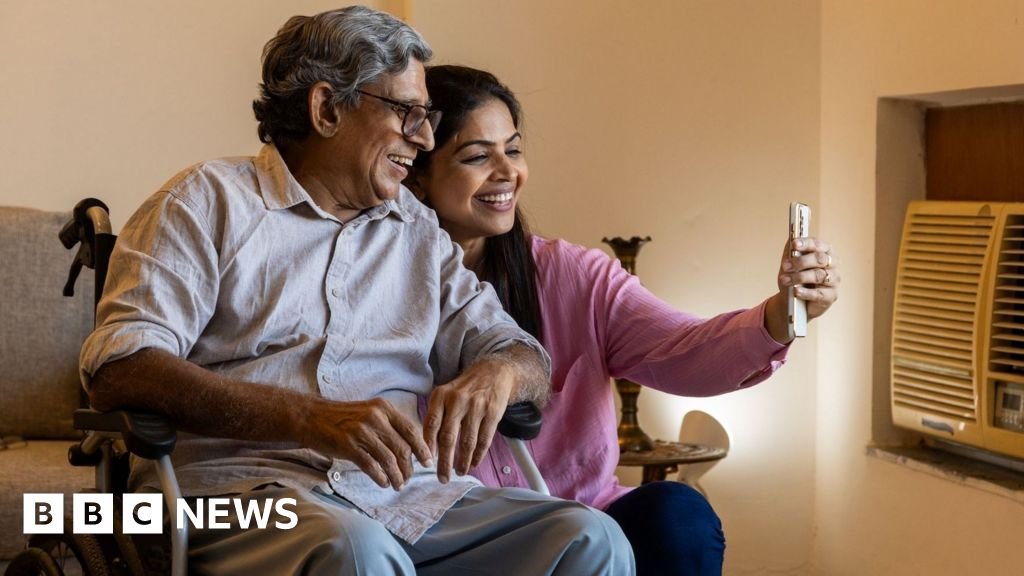
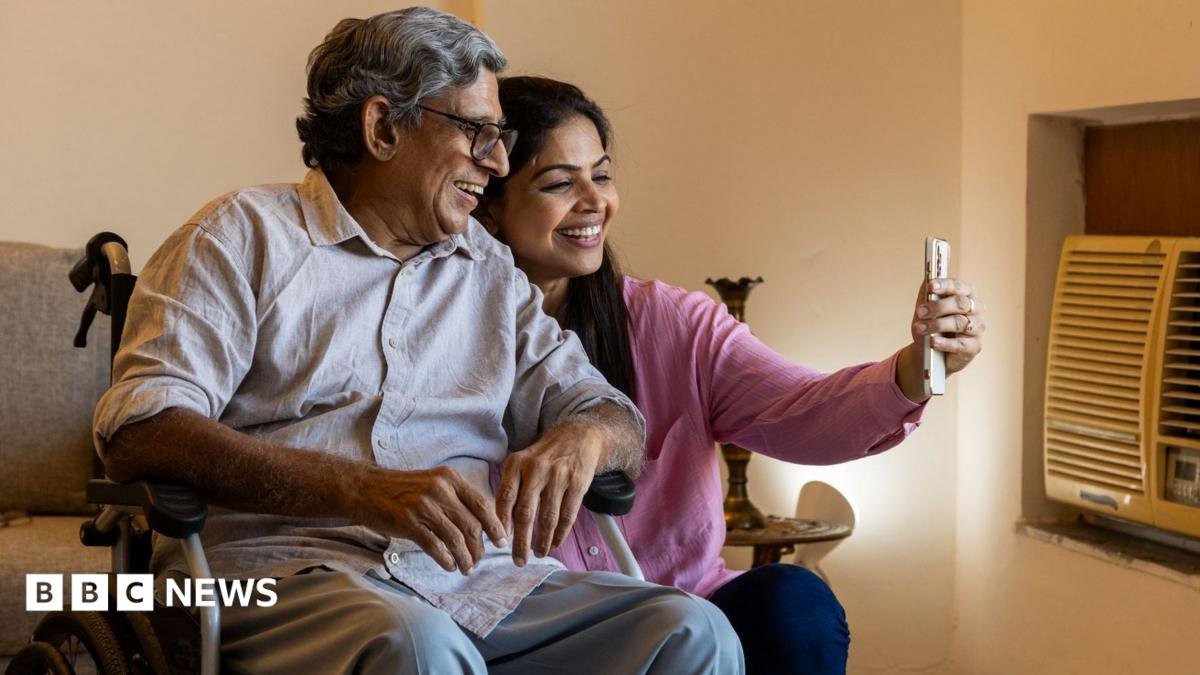
For Arindam Bhattacharyya, an advertising executive living in Jakarta, 2024 brought a sobering reality check. While his parents were visiting him from Kolkata, his father suffered a sudden health scare. While the immediate crisis was managed, it left Bhattacharyya grappling with a dilemma that now haunts millions of Indians: how to provide consistent, reliable care for aging parents from thousands of miles away.
This personal struggle is part of a larger, systemic shift. As the global population ages, India is preparing for a significant demographic transformation. According to the United Nations Population Fund (UNFPA), the number of people aged 60 and older worldwide is set to double to 2.1 billion by 2050. India is tracking this trend closely, with projections suggesting that by mid-century, nearly one in five Indians—approximately 21% of the total population—will be a senior citizen.
A Broken Tradition
For generations, the cultural bedrock of India was the joint family, where the responsibility of elder care was implicit and handled within the home. However, as urbanization and globalization have pulled the youth toward metros and overseas, this traditional social safety net has frayed. Experts point out that the erosion of the joint family system, coupled with a lack of robust state-funded social infrastructure, has created a widening void in elder care.
What was once a private family matter is now evolving into a pressing societal challenge—and, increasingly, a booming economic opportunity.
The Rise of the $7 Billion Market
Recognizing the changing landscape, India’s government think-tank, NITI Aayog, has highlighted the burgeoning senior care sector, now valued at approximately $7 billion. This valuation is expected to climb rapidly as the demand for organized healthcare, assisted living, and monitoring services surges.
A wave of startups has emerged to fill this vacuum, providing everything from telemedicine and home nursing to companionship services. For professionals like Bhattacharyya, these companies serve as essential proxies. “I rely on two different startups to track my parents’ vitals, organize their medical appointments, and serve as first responders for emergencies,” he explained. Yet, he admits that technology does not fully replace presence; he remains glued to his phone, monitoring every development from Jakarta.
The Gap Between Demand and Reality
The real estate sector is also catching on. Specialized senior living facilities, characterized by medical-grade infrastructure and community amenities, are gaining traction. Companies such as Manasum, Primus, Ananta, and Vedaanta are leading the charge, with traditional property developers beginning to eye this niche market with growing interest.
Despite this momentum, the supply remains abysmal compared to the sheer scale of the need. Data from the real estate management firm Colliers International Group reveals a stark disparity: India’s current demand for senior-specific housing is estimated at 2 to 2.2 million units, while the existing supply stands at a mere 25,000.
As the country faces this “silver tsunami,” the race is on to bridge the chasm between the traditional family-led support of the past and the professional, technology-driven care that the future demands. For families living across borders, the hope is that these services will eventually offer not just convenience, but true peace of mind.
Disclaimer: This content is auto-generated for informational purposes only.
Source: Read Original News