








Google has released Android 17 QPR3 Beta 3, bringing a significant suite of refinements and functional corrections to the Pixel hardware ecosystem. This update, aimed at developers and early adopters, focuses on stabilizing the interface and addressing deep-seated performance issues across a wide range of devices, spanning from the Pixel 6a to the latest Pixel 11 series.
The release marks a pivotal step in the refinement of the Android 17 development cycle, prioritizing system responsiveness and visual consistency. By addressing specific bugs identified in earlier beta builds, Google is refining the user experience for its foldable and standard handsets alike.
Enhanced Visual Polish and Interface Adjustments
One of the most notable changes in this beta iteration is the restoration of the lockscreen blur effect. Users who found the previous iteration’s transparency levels distracting will appreciate the return of the more refined, frosted aesthetic. This adjustment aligns with Google’s broader design language, ensuring that the transition from a locked state to an active interface is fluid and visually cohesive.
Beyond aesthetics, the update introduces a more comprehensive approach to screen captures. The system now facilitates full-screen captures that include the status and navigation bars. This capability simplifies the process for users who need to document technical errors or share UI-related information without losing the context provided by these interface elements. These small, incremental changes are central to the stability of the operating system as it matures.
Camera and Security Productivity Features
Android 17 QPR3 Beta 3 introduces a dedicated Camera Quick Settings tile. This addition allows users to toggle camera-related functionality directly from the notification shade, streamlining the workflow for those who frequently rely on specialized camera settings. By reducing the number of taps required to access these functions, Google is optimizing the mobile photography experience for power users.
Additionally, the update includes the return of a robust App Lock feature. This security enhancement allows users to gate specific applications behind biometric authentication or a device passcode. This provides a necessary layer of privacy for sensitive data, such as financial apps or private messaging platforms. Implementing app-level security directly within the operating system eliminates the need for third-party utilities that often consume excess memory or introduce potential security gaps.
Comprehensive Stability and Bug Remediation
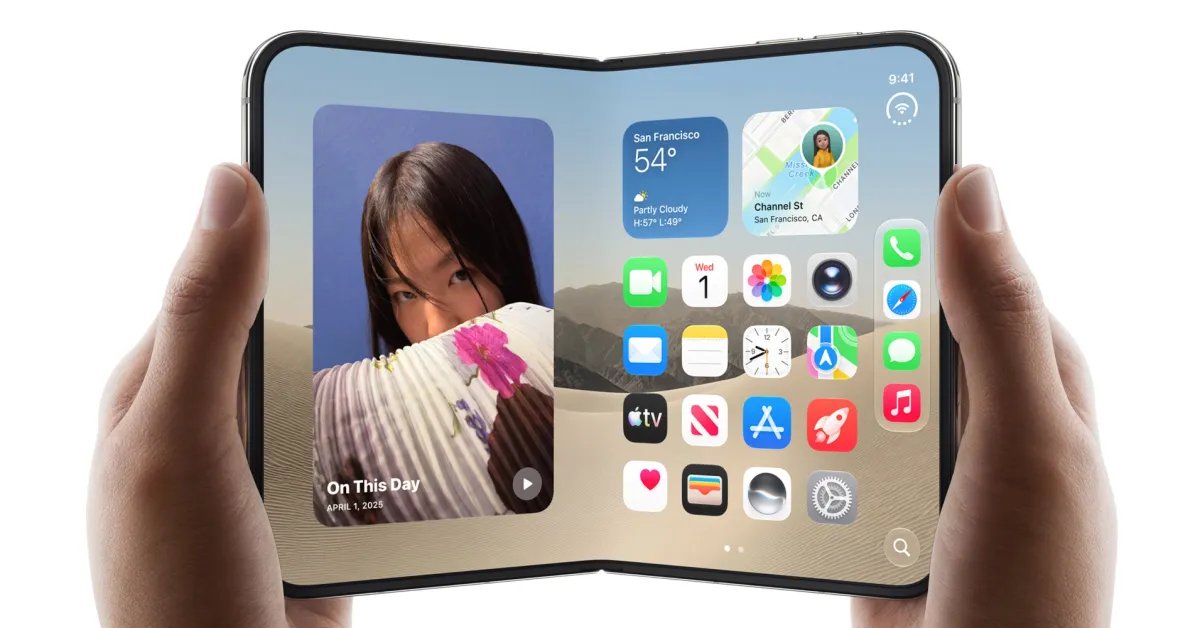
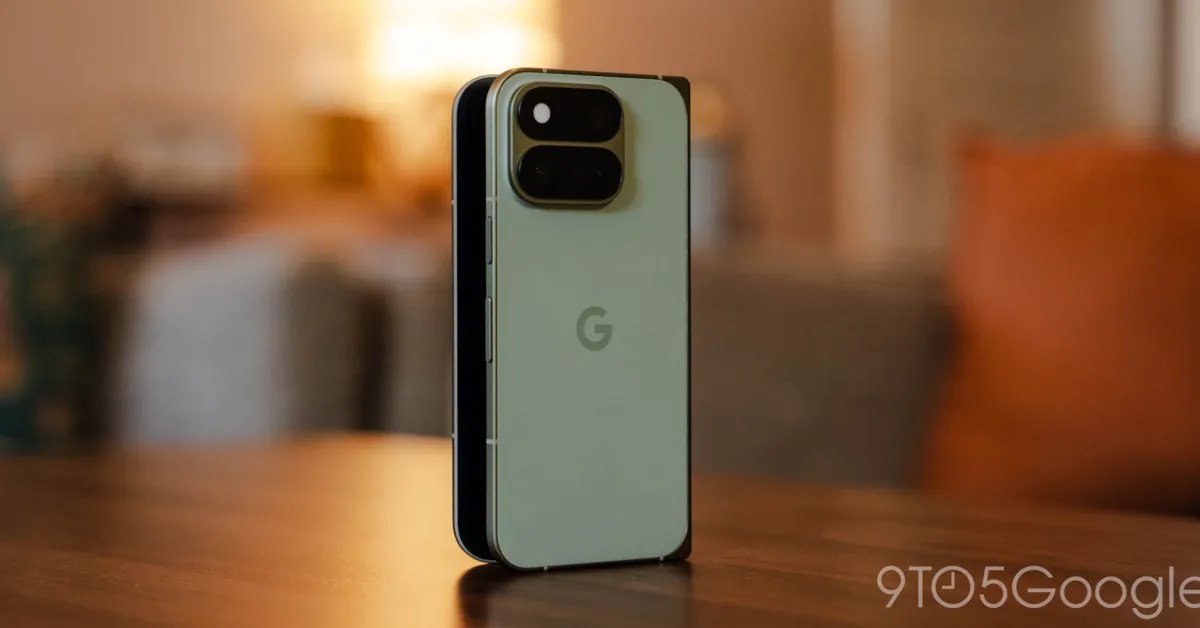
The technical core of Beta 3 is defined by an extensive list of bug fixes. Google has systematically addressed issues that previously impacted hardware reliability and software efficiency. A critical fix includes resolving a display issue on foldable devices where the inner screen would occasionally remain black after unfolding. This correction is vital for maintaining the continuity of the user experience on complex hardware like the Pixel 11 Pro Fold.
Furthermore, the update addresses several persistent UI glitches, such as buttons rendering as blank white squares in dark mode and inconsistent spacing among status bar icons. For users experiencing connectivity issues, the team has patched errors regarding WPA-Enterprise Wi-Fi authentication, specifically correcting failures when using the PEAP protocol. This ensures that enterprise-grade networks remain accessible to mobile users.
The update also targets memory management. By resolving issues where the SettingsDumpService would consume excessive resources after interacting with SIM settings, and fixing cases where toast notifications failed to render under heavy load, Google is effectively tightening the performance overhead of the operating system.
Impact on the Pixel Ecosystem
The breadth of devices supported by this beta—from the aging but capable Pixel 6a to the current-generation Pixel 11 hardware—underscores Google’s commitment to long-term software support. The updates provided in QPR3 (Quarterly Platform Release) serve as a testing ground for refinements that will eventually reach the stable, public branch of Android.
For developers, these fixes allow for more predictable application performance. By rectifying issues such as the failure of the “force stop” command and improving the reliability of background services like Bluetooth scanning, the system becomes a more stable environment for third-party software development. Users participating in the beta program are encouraged to report any remaining anomalies, as the feedback loop remains a primary driver for the final stability of the official release.
The focus on resolving intermittent crashes, particularly those occurring on the lock screen or shortly after startup, indicates that Google is entering the final phases of the QPR3 testing cycle. As the software reaches a higher level of maturity, the focus shifts from introducing novel features to ensuring that the foundational components of the Android experience—connectivity, display rendering, and resource management—operate with maximum efficiency. This release provides a clearer picture of the final state of Android 17 and sets a high bar for performance expectations in future iterations of the platform.
Disclaimer: This content is auto-generated for informational purposes only.
Source: Read Original News