







Concerns Mount as Dozens of Journalists Detained Amid Nationwide Protests
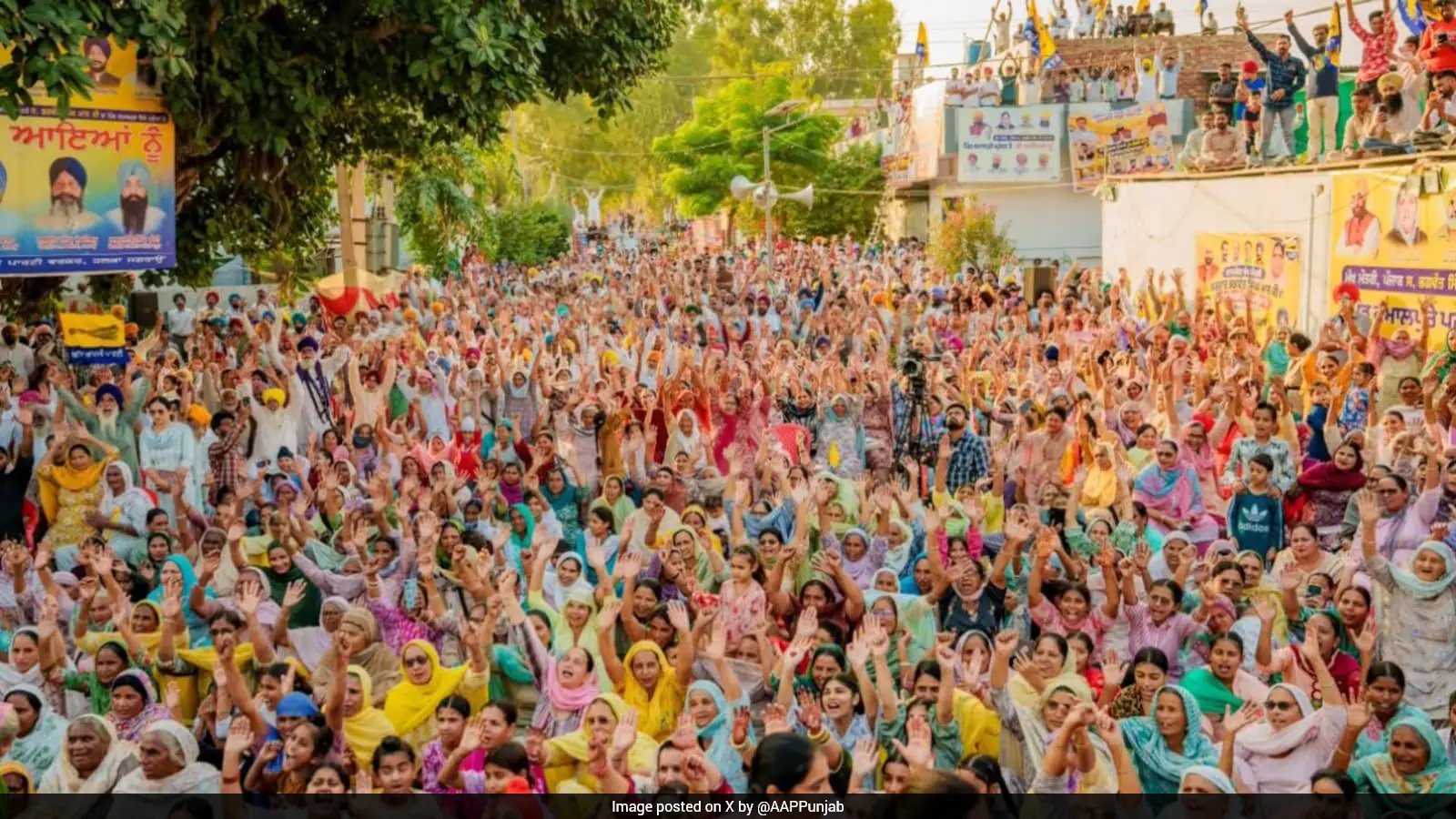
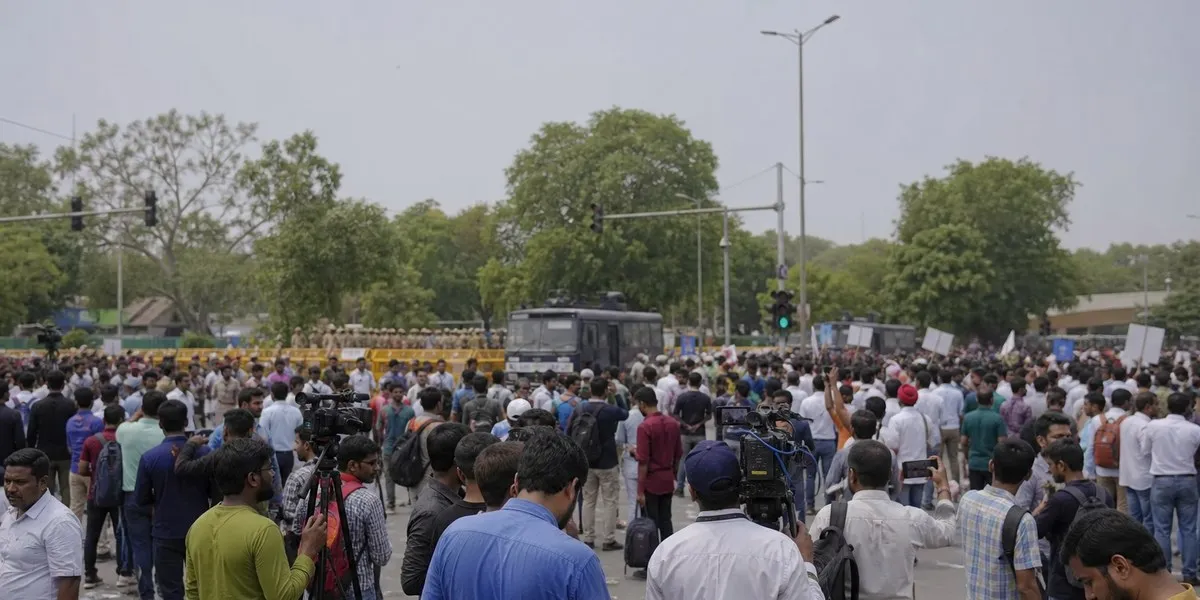
A wave of political unrest has gripped India, but the focus of public concern has shifted from the streets to the treatment of the press. Over a two-day period in October, 43 journalists were detained by authorities while attempting to report on widespread demonstrations, with the highest concentration of arrests occurring in the national capital, Delhi. The Committee to Protect Journalists has expressed alarm at the mass detentions, marking a significant escalation in the tensions between the state and the media.
Among those swept up in the crackdown was 40-year-old journalist Shoaib Daniyal. While en route to cover a protest, Daniyal encountered a police checkpoint near his residence. Despite attempting to engage with law enforcement, he was quickly moved to a bus and detained without any formal explanation. Under current Indian statutes, police maintain the authority to detain individuals without a warrant if there is a reasonable suspicion of potential or committed criminal activity, a provision that critics argue is increasingly being weaponized against members of the press.
Voter List Controversy Fuels Unrest
The ongoing protests, representing the second major wave of civil unrest in India this year, were ignited by widespread allegations regarding the integrity of the electoral process. Demonstrators are calling for the resignation of Chief Election Commissioner Gyanesh Kumar, accusing the Election Commission of conducting a nationwide review of voter lists specifically designed to favor the ruling Bharatiya Janata Party (BJP).
The scale of the media detention in Delhi caught many observers off guard. Manisha Pande, editor-in-chief of the digital news platform Newslaundry, noted that given the heavy presence of journalists in the capital, such a sweeping police action was unprecedented. Veteran journalist and writer Srinivasan Jain suggested that the detentions serve a clear, tactical purpose: to stifle reporting on the protests and send an intimidating message to the broader media fraternity.
A Shrinking Space for Press Freedom
The recent events occur against a backdrop of declining global rankings for Indian media freedom. Reporters Without Borders currently lists India at 157th out of 180 countries in its World Press Freedom Index, a sharp decline from the 140th position held in 2019. Industry analysts and observers suggest that the environment for newsrooms has deteriorated significantly since the BJP came to power in 2014.
Structural dependencies have further complicated the media landscape. Pande pointed out that many television outlets are financially reliant on government advertising, while others are owned by conglomerates with extensive commercial ties to government contracts. This economic reality has created a “chilling effect” on editorial independence. Jain, who departed his role at NDTV following its acquisition by the Adani Group in 2022, emphasized that these corporate transitions often lead to shifts in editorial priorities that favor the state.
Digital expression is also facing systematic pressure. Reports indicate that between March and July alone, the government issued approximately 195,000 takedown orders for content on platforms like Instagram, Facebook, and YouTube. Political satirist Ramit Verma, who was also detained while reporting from a protest site, confirmed that his online content has frequently been removed by platforms without specific reasoning provided, suggesting a growing alignment between social media moderation and state censorship.
Disclaimer: This content is auto-generated for informational purposes only.
Source: Read Original News